
Reviewed · MUSEUMS
Copenhagen: The Museum of Danish Resistance Entrance Ticket
Secrets live under Copenhagen’s streets. The Museum of Danish Resistance takes you into the occupation years through underground scenes in Churchill Park at Kastellet, then backs it up with a built-in audio guide you can follow at your pace.
I especially love the way the museum makes the war feel personal, not like a textbook. You also get hands-on interactive stations where you practice resistance tasks, not just watch them. One consideration: it is self-guided, with no live guide on hand to answer questions as you go.
In This Review
- Key things I think you will like
- Copenhagen’s Museum of Danish Resistance: what it is really like
- Price and value: is $20 a good deal?
- Where to go in Copenhagen: Churchill Park and Kastellet
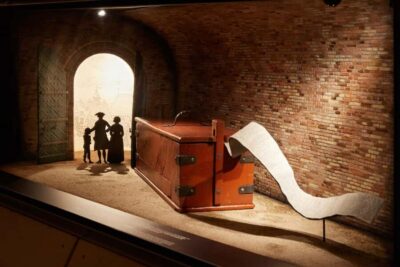
- What you will see underground: the occupation story in scenes
- The pacing you should expect
- Audio guide details: five historical figures, two languages
- Hands-on resistance tactics: interactive exhibits that teach by doing
- How the museum uses everyday life to make the occupation understandable
- Timing tips: when to go and how to plan your day
- Who should book this ticket, and who might want a different option
- Should you book it? My take
- FAQ
- Where is the Museum of Danish Resistance?
- What does the ticket include?
- Is a live guide included?
- Which languages is the audio guide available in?
- How long does the visit take?
- Where do I exchange my voucher?
- Can I cancel my booking?
- Can I pay later?
- Is the museum wheelchair accessible?
Key things I think you will like
- Underground, scene-by-scene story of daily life under occupation from 1940 to 1945
- Audio guide in English and Danish, focused on resistance from five historical figures
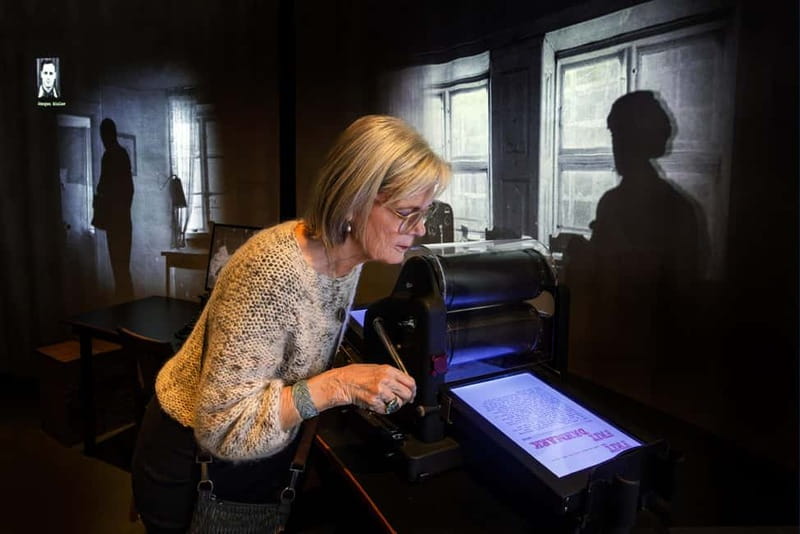
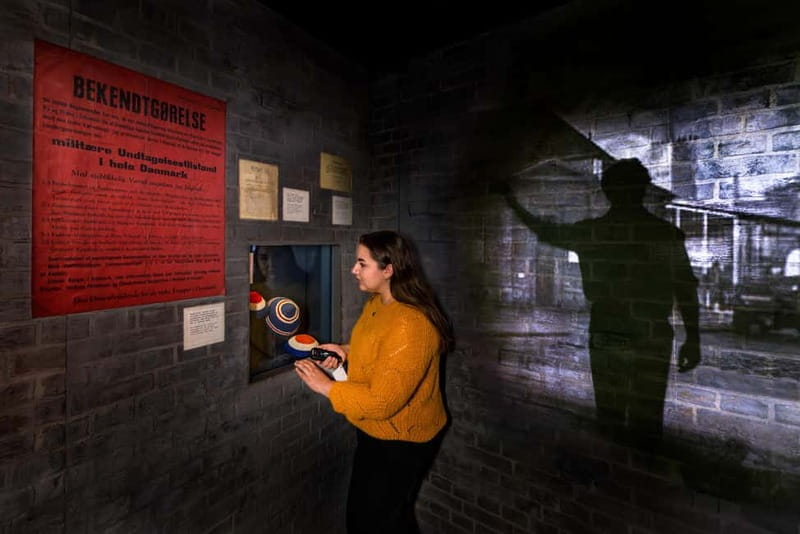
- Interactive resistance tactics you can try, like printing illegal magazines and working on Enigma themes
- You control the pace, with a visit that can be as quick or as thoughtful as you want
- Wheelchair accessible so you can plan a smooth visit
Copenhagen’s Museum of Danish Resistance: what it is really like
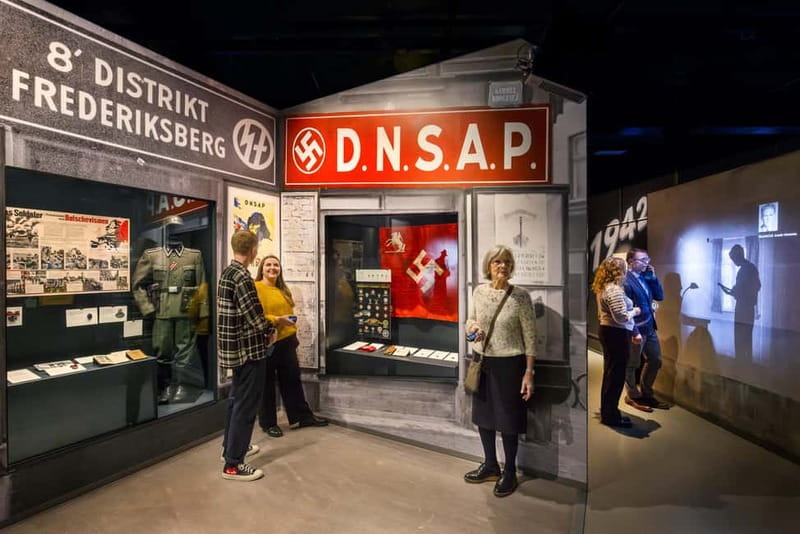
If you want World War II in Denmark to feel real, not distant, this is one of the best ways to do it in Copenhagen. The museum is in Churchill Park, right by Kastellet, and the experience is built like a guided walk through the occupation years. You start on the surface, then it pulls you underground so the story shifts from dates and headlines to the everyday pressure people lived with.
You will also notice right away that the museum is designed for active learning. The audio guide does not just tell you what happened. It frames dilemmas. It points you to choices civilians had to make when normal life was no longer normal.
More design and history museums in Copenhagen:




Price and value: is $20 a good deal?
At about $20 per person, this ticket is priced for a focused museum visit. The big reason I think it is good value is what is included: your entry ticket plus an audio guide. That means you are not paying extra to get the story in a language you can understand well.
Also, you are not stuck with a single type of exhibit. You get different formats in one go: guided audio, staged scenes across the war years, and interactive stations. If you like museums that let you do something, not just look, the price feels fair.
The main value tradeoff is the lack of a live guide. If you prefer a person to explain context, answer questions, and point out meaning, you may want to pair this with other Copenhagen experiences that include a docent or tour leader. If you are comfortable reading, listening, and exploring on your own, this setup works well.
Where to go in Copenhagen: Churchill Park and Kastellet
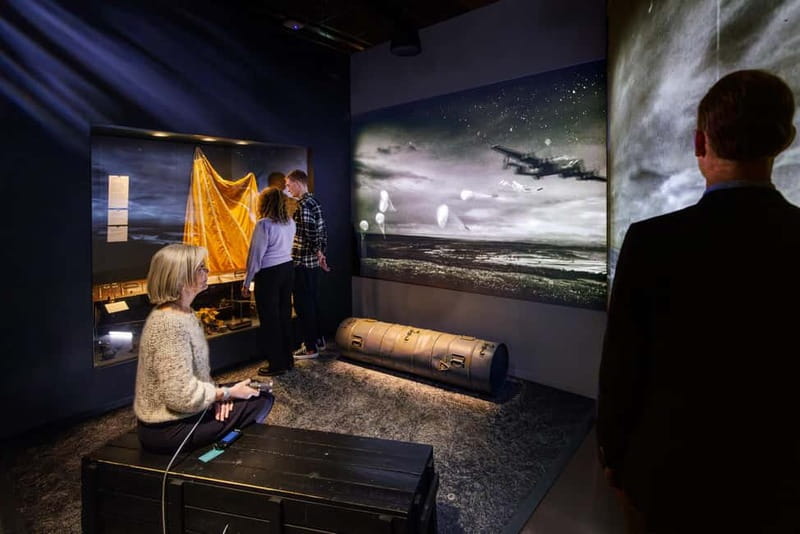
The museum sits in Churchill Park at Kastellet. That matters because this is an easy area to find. You can build it into a day of walking around the neighborhood, and you do not have to plan a weird detour just for the ticket.
Practical tip: exchange your voucher at the museum shop before you enter the exhibition. If you arrive and go straight to the entrances, you may end up slowing yourself down. I would budget a few extra minutes for that first stop.
One more location note worth knowing: the museum is near the Østerport train station area. If you are using public transport, that can make your day plan simpler.
What you will see underground: the occupation story in scenes

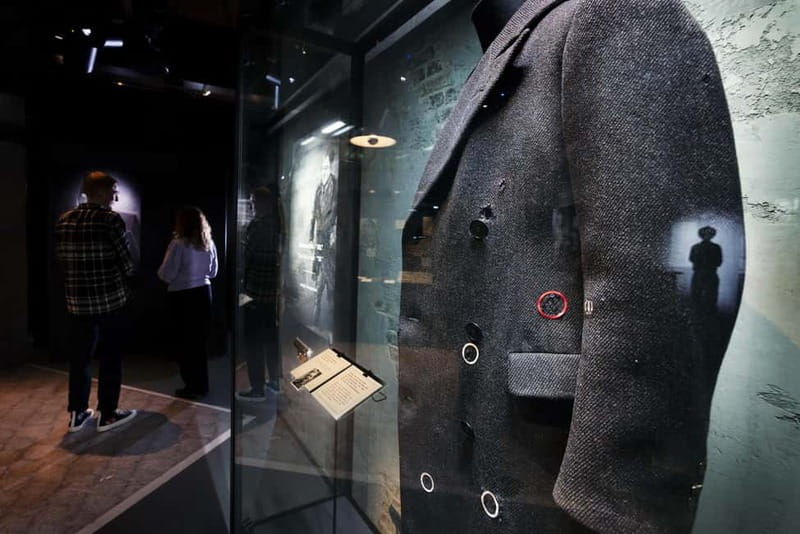
The heart of the visit is the walk through Denmark under occupation from 1940 to 1945. The museum organizes the experience by time, using different scenes that move you through the five-year span. This is where the underground setting really helps. You feel like you are stepping into the years themselves, not just visiting a display.
As you move through the rooms, the museum shows how the Nazi occupation affected ordinary people. The message is not only military history. It is daily life history: what changed, what people worried about, and how fear and control shaped routines.
Even more Things to Do in Copenhagen
- Copenhagen Card-Discover: 80+ Attractions & Public Transport
★ 4.6 · 5,351 reviews - Copenhagen: Hop-On Hop-Off Bus Tour with Boat Tour Option
★ 3.9 · 4,122 reviews - Private Walking Grand Tour of Copenhagen
★ 5.0 · 3,953 reviews
The pacing you should expect
This is not an all-day museum marathon. I recommend planning on about two hours to see it all comfortably. If you are a faster reader or you are skimming some audio sections, you might do it quicker. If you like to stop often and try the interactive stations, you will likely need closer to that full window.
Audio guide details: five historical figures, two languages

Your ticket includes an audio guide, available in English and Danish. That language coverage is a big deal. It means you can focus on the content without constantly translating in your head, and the experience stays smooth.
The audio guide tells the resistance story through five historical figures who lived during the period. Even without a live guide in the room, this structure gives you a thread to follow. You are not just hearing facts. You are hearing choices through specific lives, including the difficult dilemmas people faced.
A helpful approach for using the audio guide well:
- Listen for the moment where a character faces a choice.
- Then connect that to what you see in the scene around you.
- If one section feels heavy, take a short breather before continuing.
The museum covers a dark topic, but the way it is told helps you keep your footing.
Hands-on resistance tactics: interactive exhibits that teach by doing

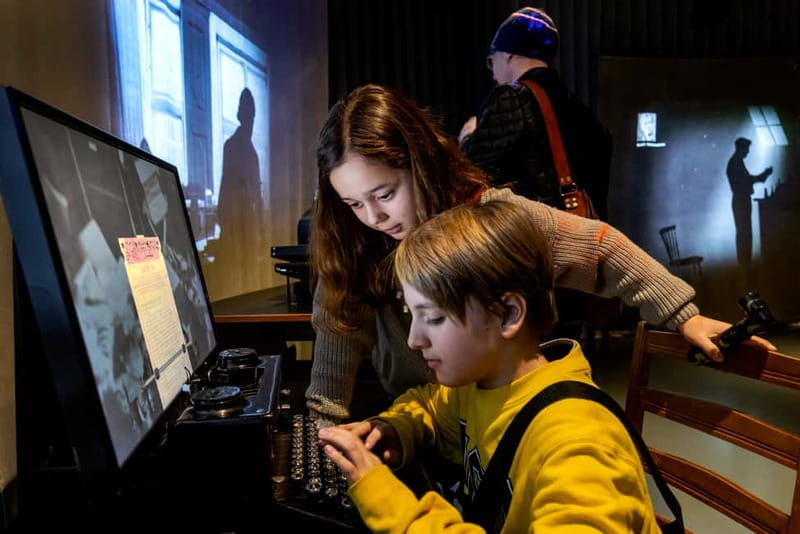
This museum earns its word resistance by getting you to participate. The interactive stations are where learning turns into experience.
Here are some of the hands-on activities you can try:
- printing illegal magazines
- intercepting phone calls
- breaking the Germans’ Enigma code
Even if you know the basics of Enigma, it is different to work with ideas in an exhibit setting. It makes you appreciate the effort and risk behind technical resistance work.
I like that these activities are included right inside the narrative. You are not playing games off to the side. You are practicing the kinds of tasks people used as tools of resistance, which makes the story feel sharper and more grounded.
How the museum uses everyday life to make the occupation understandable

One of the best parts of the visit is how it ties resistance to daily routines. The occupation is not treated like an abstract event. The museum emphasizes how it hit civilians in real ways and how resistance started and spread from there.
That matters because it helps you avoid a common history trap. If all you remember is battles and leaders, resistance can feel like something only specialists did. Here, the museum shows how resistance was also about ordinary people doing extraordinary things under impossible pressure.
You get a more complete picture, especially if you want to understand what survival looked like, and how decisions could carry consequences.
Timing tips: when to go and how to plan your day
Because your visit is effectively a self-paced exhibition, your timing depends on your style.
I suggest planning your museum time like this:
- Start the visit with your voucher exchanged at the shop.
- Give yourself time to use the audio guide in order, at least through the sections that explain the five figures.
- Set aside time to try every interactive station, even if you are only doing a quick run-through.
If you are combining this with other Copenhagen sights, aim for a day where you can slow down. This is not the kind of museum you rush while checking your phone every few minutes.
Also, check availability for starting times. Your ticket is valid for one day, and you will want to match the day to the museum’s schedule.
Who should book this ticket, and who might want a different option
This is a strong choice if you:
- want WWII in Denmark explained in an engaging, understandable format
- like audio guides and self-guided museums
- enjoy interactive exhibits that teach through action
- prefer a historical story grounded in civilian experience
It may be less ideal if you:
- strongly prefer a live guide who can tailor explanations to your questions
- want a lighter, more entertainment-focused museum day
If you like your history with emotion and realism, this fits that mood well.
Should you book it? My take
I think you should book the Museum of Danish Resistance ticket if you want a meaningful Copenhagen visit that does more than list dates. For around $20, you get entry plus an audio guide in English or Danish, an underground, scene-based walk through 1940 to 1945, and interactive stations that turn resistance tactics into something you can actually try.
If you are sensitive to heavy topics, go in with a bit of time to process. But if you can handle that, this is one of the most focused, valuable museum experiences in the city for understanding how occupation changed everyday life and how resistance began.
FAQ
Where is the Museum of Danish Resistance?
It is located in Churchill Park at Kastellet in Copenhagen.
What does the ticket include?
The ticket includes museum entry and an audio guide.
Is a live guide included?
No, a live guide is not included.
Which languages is the audio guide available in?
The audio guide is available in English and Danish.
How long does the visit take?
The activity is valid for one day, and it can take around two hours to see it all.
Where do I exchange my voucher?
You must exchange your voucher at the museum shop before entering the exhibition.
Can I cancel my booking?
Yes, you can cancel up to 24 hours in advance for a full refund.
Can I pay later?
Yes, you can reserve now and pay later.
Is the museum wheelchair accessible?
Yes, it is wheelchair accessible.
The latest around Copenhagen
- Copenhagen: Guided Tour of Vesterbro and Christianshavn★ 5.0 · 1 review
- Stevn Klint UNESCO Heritage Tour and Vikingborg Fort.★ 5.0 · 1 review
- Historical Pod Walk Tour on the Slaves of Copenhagen★ 5.0 · 1 review
- Castle Island’s Royal History: A Self-Guided Audio Tour of Slotsholmen★ 5.0 · 1 review
- Copenhagen Old Town, Nyhavn, Canal Walking Tour & Christiana★ 5.0 · 1 review
- Queer Copenhagen Historical Tour★ 5.0 · 1 review
Museums, compared.



MACA Museum ‘Banksy & Street Art: The Early Years’ Art Exhibition
Read our review →
Danish National Museum Copenhagen Archeology History Tour
Read our review →
Browse the lists this tour appears in