
Reviewed · FREETOWN CHRISTIANIA WALKS
Copenhagen: Guided Tour of Vesterbro and Christianshavn
Side streets tell better Copenhagen stories. This private alternative tour of Vesterbro and Christianshavn uses a local guide to steer you through quirky neighborhoods, trend spots, and everyday streets you might miss on your own.
What I like most is the balance: you get real background in places like Star Radio and Kødbyen, then you land in Christiania with enough context to make the experience feel understandable, not random. If you book the full option, I also like that you add a Danish Bite + drink in a classic restaurant. The main drawback to consider is that after your guide takes you to Freetown Christiania, you explore there on your own, so comfortable shoes and a curious mindset matter.
In This Review
- Key points before you go
- A four-hour alternative walk across Vesterbro and Christianshavn
- Starting at Viktoriagade 8, Mikkeller Bar area
- Det Ny Teater and Vesterbro’s older bones
- What to watch for
- Istedgade and Star Radio, where place names carry meaning
- Kødbyen and Øksnehallen, old industry turned dining scene
- Quick practical note
- Metro time, Knippels Bridge, and the view shift into Christianshavn
- Asiatisk Plads, Wildersgade, and Our Saviour’s big moment
- Christianshavns Mound and the road to Freetown Christiania
- How to get the most out of Christiania on your own
- Danish lunch option, what the food adds
- Price and logistics, does $161 per person make sense?
- Who this tour is best for
- Should you book this Vesterbro and Christianshavn tour?
- FAQ
- How long is the Copenhagen guided tour of Vesterbro and Christianshavn?
- Is this tour private or in a group?
- Where do I meet the guide?
- Are metro tickets included?
- What languages is the live guide available in?
- Is lunch included?
Key points before you go
- Private, local-paced route that focuses on Vesterbro and Christianshavn rather than just the postcard sights
- Christiania with background first, then time to roam inside the car-free zone on your own
- Metro tickets included, so you can move across the city without guesswork
- Resistance and repurposed spaces, including Star Radio and a revitalized industrial food scene in Kødbyen
- Optional lunch (45 minutes) that adds an actual Danish meal, not just a snack
A four-hour alternative walk across Vesterbro and Christianshavn

This is a half-day format that works well in Copenhagen because the city is so walkable, yet you still need a plan. The tour runs about 210 minutes, and it is designed as a continuous loop through two neighborhoods with very different vibes: Vesterbro’s street energy and Christianshavn’s watery, historic feel.
You are not just “seeing sights.” You are getting the why behind them. You’ll hear stories tied to specific facades, streets, and institutions, like how places in Istedgade connect to Danish resistance, or how industrial Copenhagen turned into Kødbyen’s eating and nightlife zone. That kind of local context is what makes photos look better too, because you know what you are looking at.
And since it is a private group, you can ask questions and move at a pace that fits your comfort. If you hate rushing, this setup is a good fit.
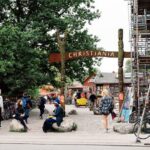
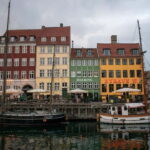
More of Christiania and Christianshavn on foot:
Starting at Viktoriagade 8, Mikkeller Bar area
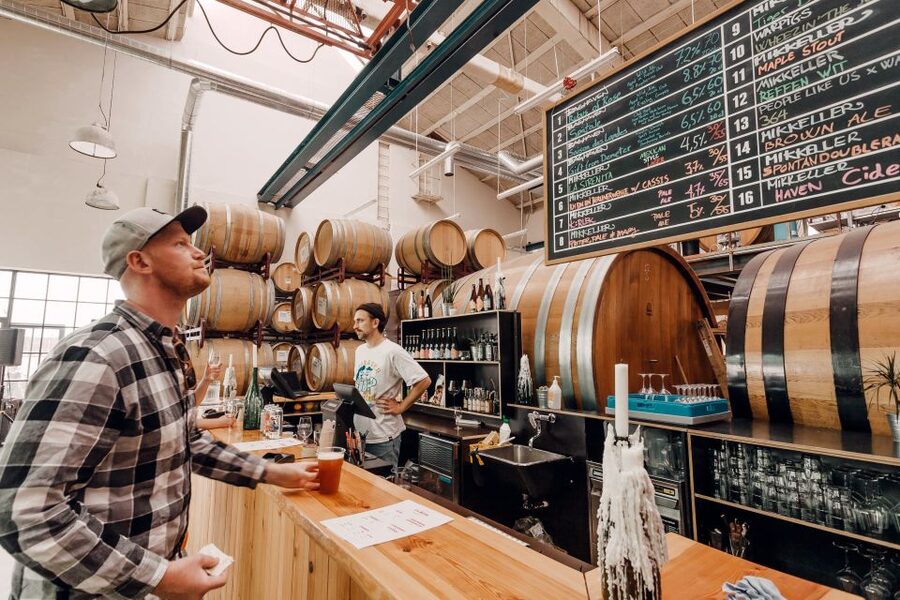
You meet at the entrance of Mikkeller Bar Viktoriagade near Viktoriagade 8. It is a practical meeting point in the part of town that has plenty going on, so you can arrive without stressing. Once you start, your guide sets the tone with the idea that Copenhagen has layers, and the fun is learning how they connect.
From here, you start with Det Ny Teater and nearby streets. It’s a smart first stretch because you are warming up while the guide frames what you’ll see next.
Det Ny Teater and Vesterbro’s older bones
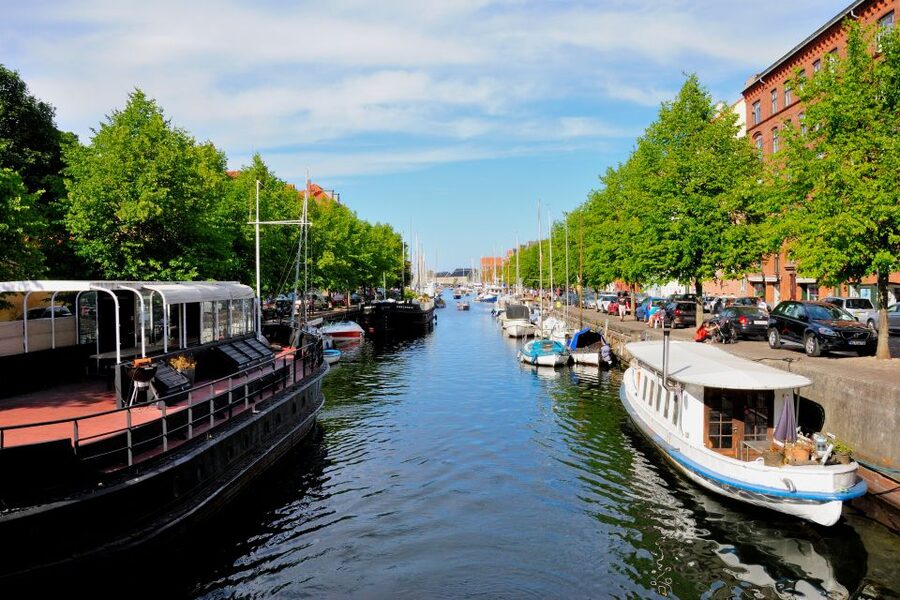
One early stop is Det Ny Teater, where you get about 10 minutes of guided context. Even if you are not into theatre, it helps to know why this kind of venue matters in a working neighborhood. It signals that Vesterbro is not just modern trend cafes, it has a deeper cultural spine.
Next comes Værnedamsvej, a street the guide treats like a living corridor between neighborhoods. You’ll get a feel for the “relaxed and very much French” vibe mentioned in the route notes. That is the kind of detail that helps you understand what locals mean when they talk about atmosphere, not just address names.
Then you move toward Saxogade and BEATCAFE. These are the types of places that often get skipped by visitors because they do not look like big museums from far away. In a guided alternative route, they make sense. You’re learning to read the city the way residents do, by noticing the daily hangouts.
What to watch for
This part can feel a bit “neighborhood-y” if you expected nonstop big landmarks. But if your goal is to understand local Copenhagen, these quick stops are doing real work.
Even more Things to Do in Copenhagen
- Copenhagen Card-Discover: 80+ Attractions & Public Transport
★ 4.6 · 5,351 reviews - Copenhagen: Hop-On Hop-Off Bus Tour with Boat Tour Option
★ 3.9 · 4,122 reviews - Private Walking Grand Tour of Copenhagen
★ 5.0 · 3,953 reviews
Istedgade and Star Radio, where place names carry meaning
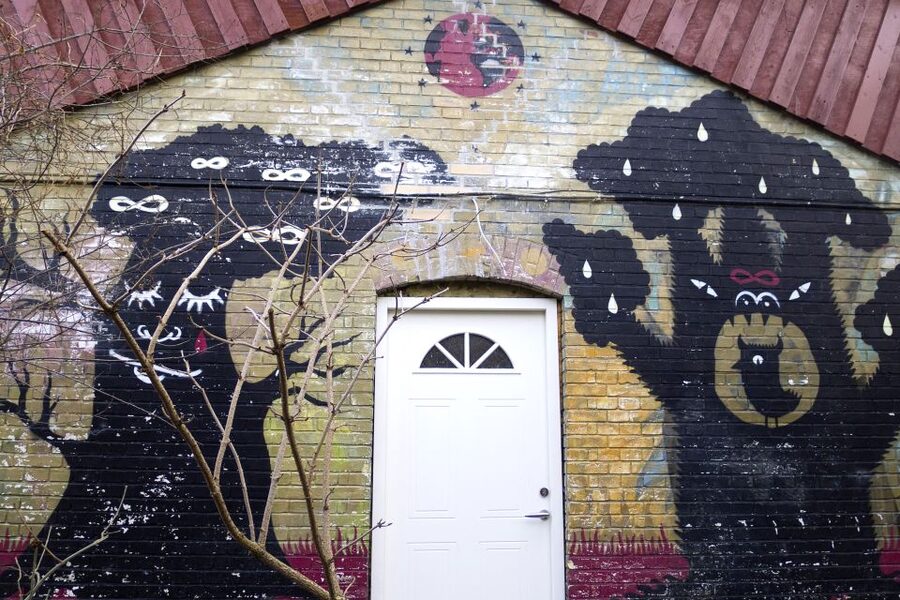
When you hit Istedgade, the tour slows slightly to give it 15 minutes at one point, then returns again for a shorter visit. That repetition is not random. It’s how the guide ties the street to larger stories.
You’ll learn about Star Radio (Stjerne Radio), specifically the facade connection to the Danish resistance during the Nazi occupation. The route notes point this out because a building’s meaning is not always obvious at street level. With the guide, it becomes clear why locals care about these specific walls.
You also walk past other major street cues, and the guide threads them into the theme of how Vesterbro evolved. This stop is one of the most “under the skin” moments of the tour because you’re not just admiring architecture, you’re connecting it to history and civic courage.
Kødbyen and Øksnehallen, old industry turned dining scene
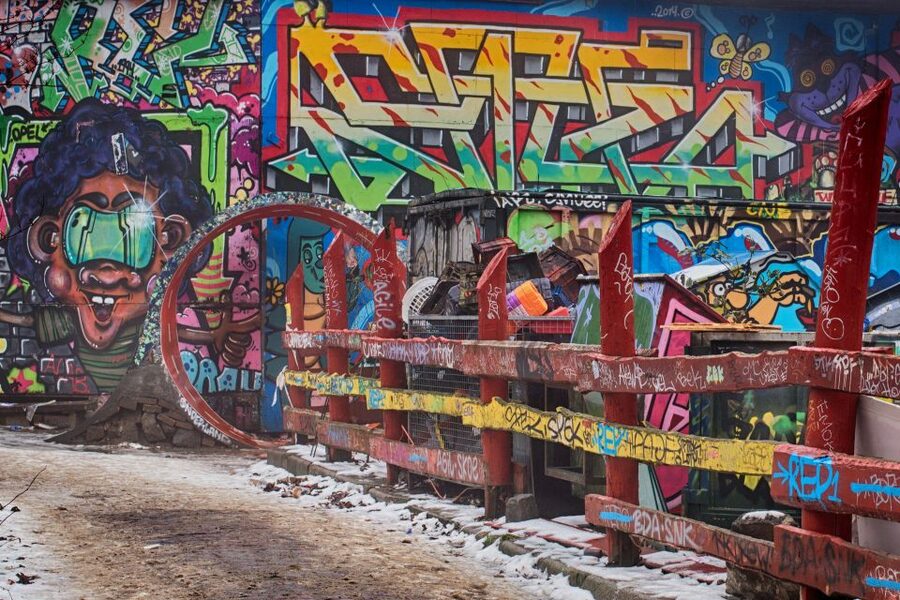
Then you head toward the Meatpacking District and Øksnehallen, with short guided segments. The key idea here is reuse. Kødbyen is known as a revitalized industrial area, and the route is set up so you see how that shift shows up in everyday life, especially the dining and nightlife energy.
You get a stop at Halmtorvet too. It’s one of those squares that helps you reset your senses. After you’ve been following streets and building facades, a small open space gives you a place to regroup and take in the city’s layout.
One smart touch is that you include Mændenes Hjem, the Men’s Home for homeless, with a brief guided stop. It is only a few minutes, but it grounds the neighborhood story in social reality rather than just nightlife.
Quick practical note
This portion of the route is the part where you might start craving food smells and late-night plans. If you are thinking about the lunch option, keep it in mind. If you are not, you can still plan a simple dinner afterward because you’ll now know where the action clusters.
Metro time, Knippels Bridge, and the view shift into Christianshavn
From the Vesterbro side, the tour uses the metro, and you have metro tickets included. That matters because it keeps the route moving without forcing you to slog across too much city by foot.
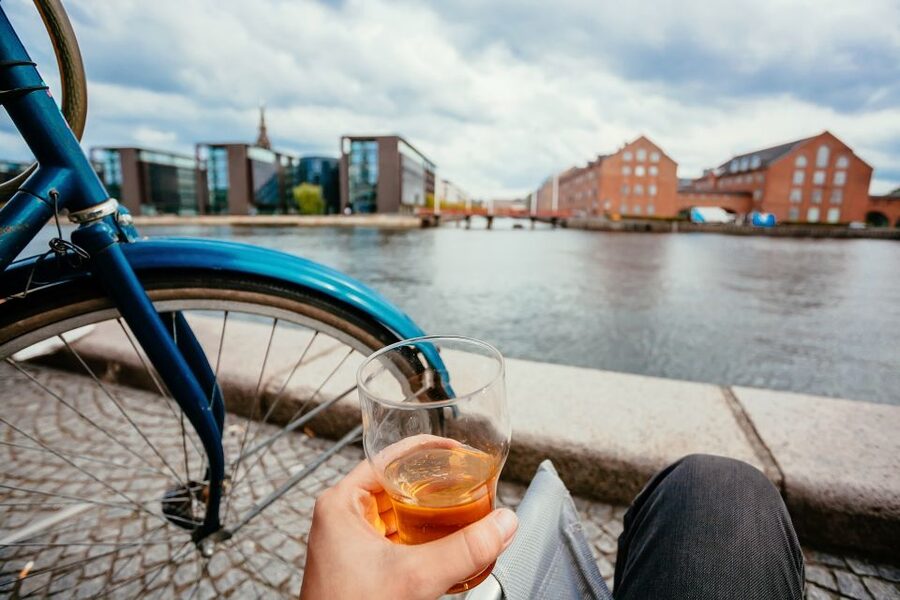
You’ll reach Knippels Bridge, a bascule bridge across Copenhagen’s Inner Harbour. Even with only about 5 minutes there, it changes your view. Water always does that in Copenhagen, and the guide uses the bridge to help you read the harbor geography before you start walking more historic streets.
Then you move toward Christians Kirke on Strandgade. This is where the Rococo church from the 1700s enters the picture. Churches in Copenhagen often mean more than religion. They often mark how wealth, culture, and city growth shifted across centuries, and Christians Kirke gives you a different architectural flavor than the plain exterior streets you’ve been walking.
Asiatisk Plads, Wildersgade, and Our Saviour’s big moment
Next is Asiatisk Plads, where you’ll see the four sculptures by Søren Georg Jensen. The guide gives you quick context, but the real value is that you stop for long enough to actually look. Public art is easy to walk past. With a guide, you notice size, placement, and how it fits the surrounding space.
Then comes Wildersgade, with another short guided segment focused on the buildings. Wildersgade is a street where the charm is in the details. Without context, you may see pretty facades. With context, you start understanding why the street looks the way it does and what kind of neighborhood character it represents.
The centerpiece here is the Church of Our Saviour. You get about 20 minutes, which is enough time for the guide to explain what you should pay attention to. This stop feels like a turning point: the tour moves from street-level stories into a place where you can see the city’s long timeline in one view.
Christianshavns Mound and the road to Freetown Christiania
After the church, the tour heads to Christianshavns Mound for about 10 minutes, then continues along Christianshavns Voldgade fortifications. These walk segments help you understand Christianshavn’s defensive planning and waterfront geography. Even if you just think of it as a nice walk, the meaning is that you are moving through a city section built with a purpose, not just a scenic backdrop.
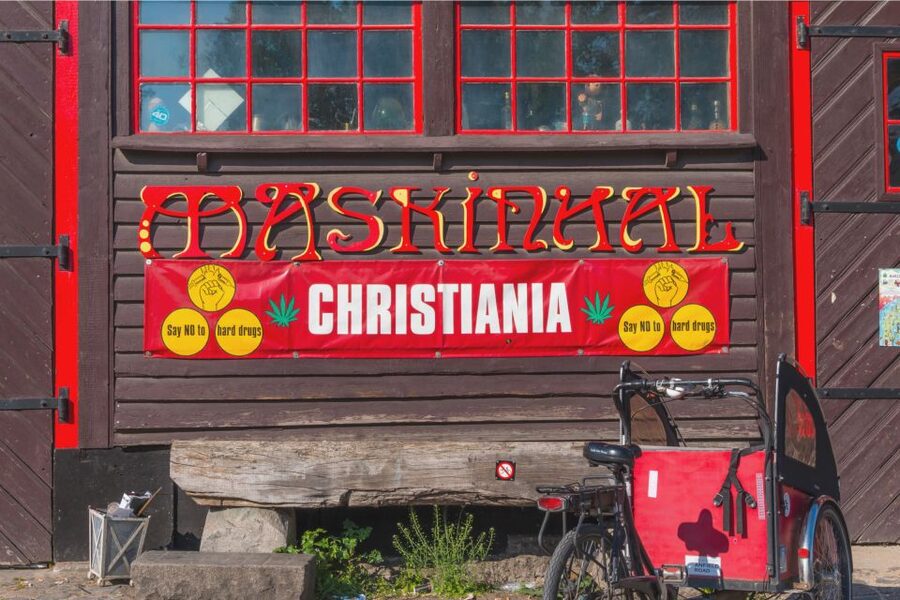
And then you reach the final destination: Freetown Christiania.
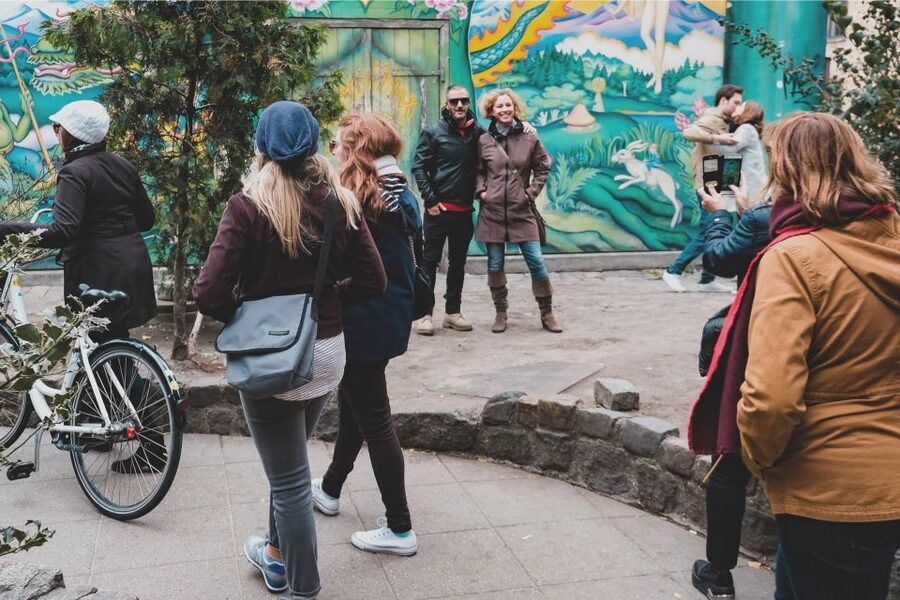
This is where the tour takes a different format. Your guide leaves you to explore Christiania by yourself, but you receive the background you need first. The route notes emphasize that Christiania is a car-free zone with about 800 people living there, and that it began in the 70s when squatters took over a former military structure. Today, it is presented as one of Copenhagen’s most visited places, known for being more organized and open-minded than people expect.
How to get the most out of Christiania on your own
Because you are exploring without the guide at the end, I think you’ll enjoy it more if you keep two things in mind:
- Look for how daily life works inside a car-free zone, not just what is unusual in the art and buildings.
- Use the background you were given to connect what you see to the 70s origins and the current community setup.
You will still learn plenty, but it will be at your pace.
Danish lunch option, what the food adds
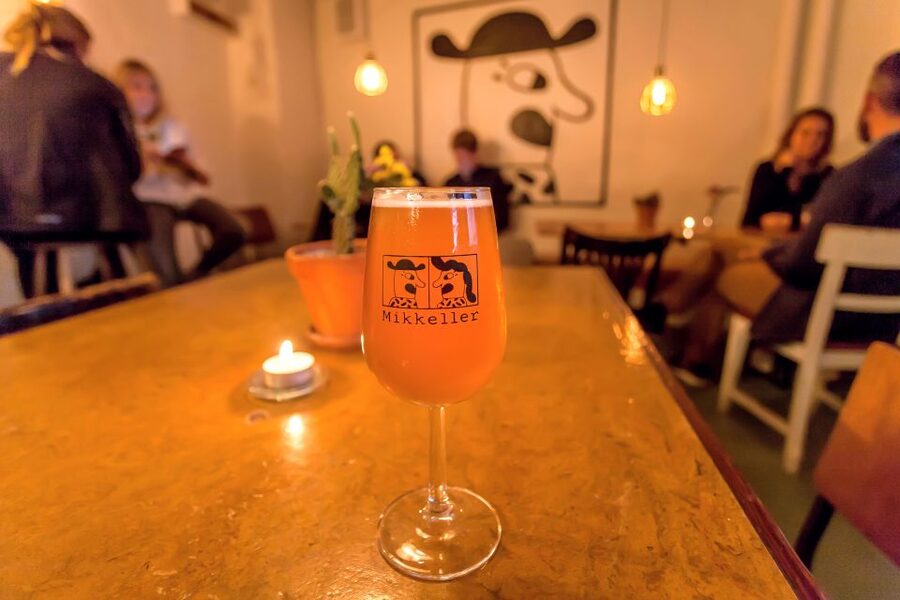
Food coverage is where many alternative tours fall short. This one gives you an option: Danish Bite + drink in a traditional restaurant with the full option. The lunch slot is about 45 minutes, which is just enough time to eat without feeling like you’ve been dropped for hours.
The main value of the food is not just calories. It’s a reset point in a tour that includes churches, streets, and a neighborhood community. If you are spending most of your day walking, a real sit-down meal helps you keep your energy steady for Christiania at the end.
If you are on a tight schedule or you prefer to eat on your own in the neighborhood, you can skip the full option. But if you want a structured Danish moment built into the route, this lunch choice makes the tour feel more complete.
Price and logistics, does $161 per person make sense?
At $161 per person for about 4 hours, this is priced as a private half-day experience, not a mass group tour. In practical terms, you are paying for:
- A guide who can tailor the pace and answer questions
- Metro tickets included, which saves time and adds convenience
- A focused route that covers both neighborhoods plus Christiania
If you choose the full option, you also add the Danish lunch and drink, which nudges the value up because you’re getting a planned meal rather than hunting one after a long walk.
If you are the kind of traveler who likes to know what you’re looking at, the private format often feels worth it. If you only want quick highlights and don’t care about background, you might decide it’s more than you need.
Who this tour is best for
This tour is a strong match if you want Copenhagen that feels current and slightly off the tourist rails. It’s also a good fit if you care about how neighborhoods evolve, because you go from older civic signals like Det Ny Teater and churches, to lived-in street stories like Istedgade, to community life in Christiania.
You’ll probably enjoy it most if:
- You like walking, and you are fine with a tour that has many short stops
- You want context, not just photos
- You are curious about how Copenhagen’s modern culture and history mix in the same streets
It is not ideal if you want a nonstop list of major monuments, or if you dislike ending with self-guided time inside Christiania.
Should you book this Vesterbro and Christianshavn tour?
I think you should book it if your ideal Copenhagen day includes neighborhoods, real explanations, and a final “let me make sense of this place” moment at Christiania. The structure is smart: it builds background before you set you loose, and it uses metro help so you do not lose the day to transit.
Skip it or reconsider if you only want top-draw classic sights with minimal walking and minimal questions. This tour rewards attention. If you bring curiosity and comfortable shoes, it gives you a Copenhagen you can actually read.
FAQ
How long is the Copenhagen guided tour of Vesterbro and Christianshavn?
The tour lasts about 210 minutes, which is roughly 4 hours.
Is this tour private or in a group?
It is a private group tour.
Where do I meet the guide?
You meet at the entrance of Mikkeller Bar Viktoriagade.
Are metro tickets included?
Yes, metro tickets are included as part of the tour.
What languages is the live guide available in?
The live guide speaks Danish, English, and Spanish.
Is lunch included?
Lunch is included only in the full option, with a Danish Bite plus a drink in a traditional restaurant.
The latest around Copenhagen
- Stevn Klint UNESCO Heritage Tour and Vikingborg Fort.★ 5.0 · 1 review
- Historical Pod Walk Tour on the Slaves of Copenhagen★ 5.0 · 1 review
- Queer Copenhagen Historical Tour★ 5.0 · 1 review
- Castle Island’s Royal History: A Self-Guided Audio Tour of Slotsholmen★ 5.0 · 1 review
- Copenhagen Old Town, Nyhavn, Canal Walking Tour & Christiana★ 5.0 · 1 review
- Copenhagen Marble Church Architecture Private Walking Tour★ 5.0 · 1 review
Freetown Christiania Walks, compared.
Private Hippies & Christianshavn Politically Incorrect Tour
Read our review →
Copenhagen & Christiania : Guided Bike Tour in French
Read our review →
1.5-hour Private Walking Tour of Christianshavn
Read our review →
Copenhagen Alternative Private Tour: Vesterbro & Christianshavn
Read our review →
Copenhagen Christiania: Hidden Stories Self-Guided Adventure
Read our review →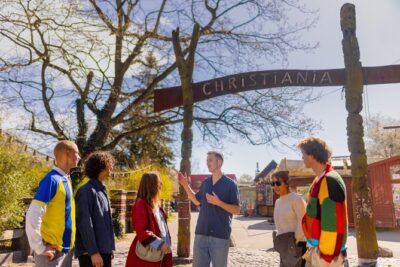
Copenhagen Christiania and Christianshavn Guided Walking Tour
Read our review →Browse the lists this tour appears in