
Reviewed · MUSEUMS
Copenhagen: Danish Jewish Museum Entry Ticket
Four hundred years, told with feeling. This entry ticket to the Danish Jewish Museum puts you in a moving, thoughtfully designed space for understanding Danish Jewish life, especially the years 1943 to 1945.
I particularly like the museum’s building design, with light wooden panels and sloping floors that create a sea-like sensation. I also love that the exhibitions use real objects and careful storytelling, including artwork by Kristian Bay Kirk for the 20th-century story.
One thing to consider: this is a small museum, so you are usually looking at about 45 minutes to 1 hour, not a half-day commitment.
In This Review
- Key points before you go
- Entering the Danish Jewish Museum: a short visit with weight
- Daniel Libeskind entrance: when the building tells the story
- How the concept of Mitzvah guides your route
- Flight and Persecution in the 20th Century: objects plus lived-in storytelling
- The Gate to Denmark: 18th-century beginnings and the 400-year thread
- The 1943 to 1945 story in plain terms
- What to expect on your 45 to 60 minute self-guided route
- English and Danish support, plus how to read efficiently
- Wheelchair accessibility: plan a comfortable pace
- Price and value: is $15 USD worth it?
- Who should book this ticket?
- Should you book the Danish Jewish Museum entry ticket?
- FAQ
- How much is the Danish Jewish Museum entry ticket?
- How long should I plan for my visit?
- What exhibitions can I see with this entry ticket?
- Who designed the new entrance?
- What does the museum mean by Mitzvah?
- Are there English and Danish translations available?
- Is the museum wheelchair accessible?
- Is a guided tour included with the ticket?
- How long is the ticket valid, and can I cancel for a refund?
Key points before you go
- Daniel Libeskind’s entrance design turns architecture into part of the story
- Mitzvah shapes the museum layout, tying survival to good deeds and flight to Sweden
- Flight and Persecution in the 20th Century connects objects to the present through antisemitism
- The Gate to Denmark explains how Jewish life took root in the 18th century
- Illustrations by Kristian Bay Kirk bring selected artifacts to life
- Self-paced visit usually fits neatly into an hour, with English and Danish translations
Entering the Danish Jewish Museum: a short visit with weight
If you want something meaningful in Copenhagen that does not require a long time commitment, this ticket is a strong choice. The Danish Jewish Museum is a state-recognized cultural history museum focused on 400 years of Jewish life in Denmark, with a clear emphasis on what happened during the Holocaust years and how Danish Jews survived.
You should expect a self-guided, gallery-to-gallery visit. There are two main exhibitions, and the building itself is part of your experience, not just a container for it.
The museum is relatively small, which is a plus if you are pressed for time. It is also a consideration if you were hoping for a long, multi-hour museum marathon.
More design and history museums in Copenhagen:



Daniel Libeskind entrance: when the building tells the story
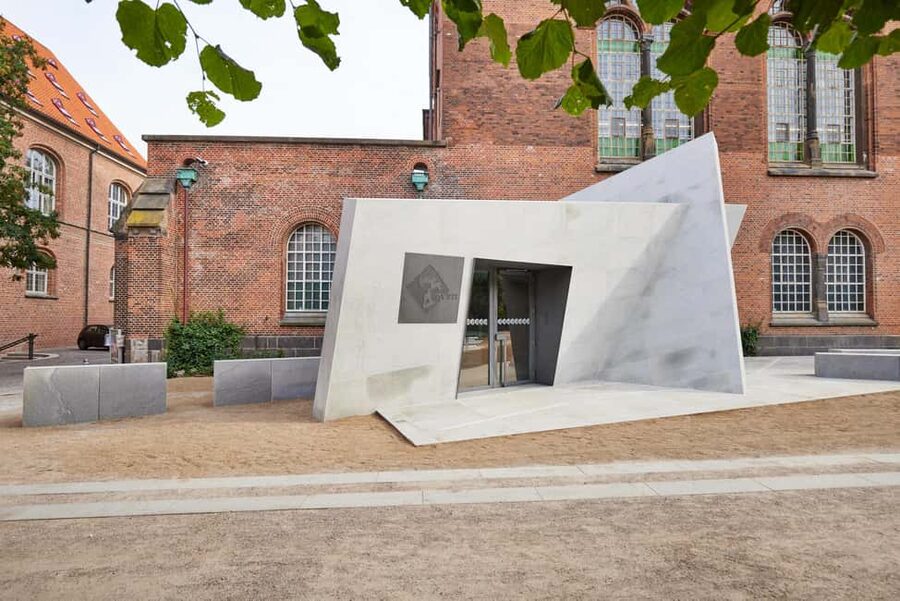
The museum’s entrance was designed by Daniel Libeskind, and you feel that intention right away. The design uses a contrast between light and darkness to reflect the broader historical story of Jews in Denmark and the Holocaust in the rest of Europe.
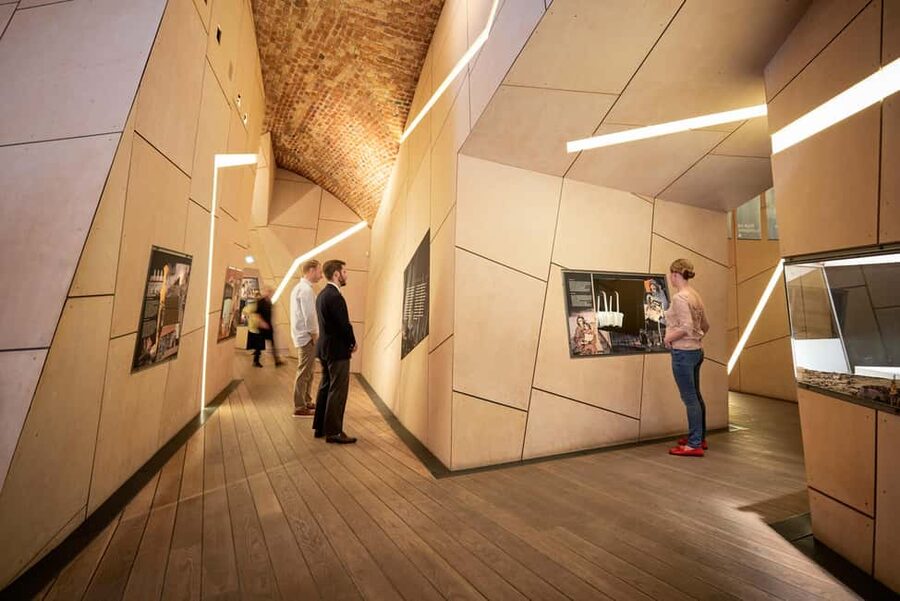
Inside, you will notice visual cues that are not random decor. The light wooden paneling suggests the Nordic surroundings, while the sloping floors create a subtle, uneasy sensation, like being at sea. It is not just aesthetics, it is mood-setting, and it prepares you for the emotional content ahead.
If you like museums where architecture has a point, this one earns your attention. Even before you read every label, the space does some of the storytelling for you.
How the concept of Mitzvah guides your route
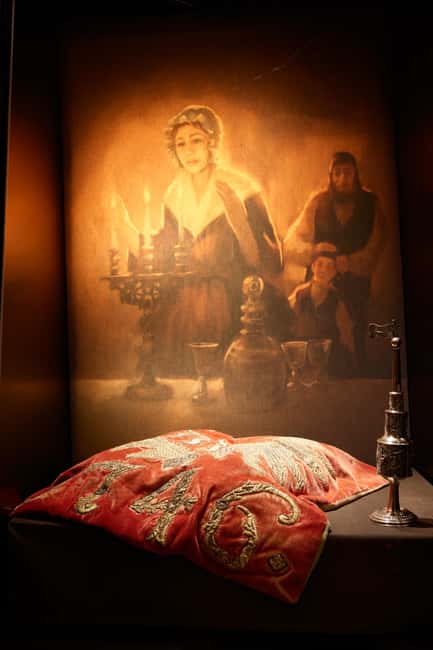
The museum’s layout is built around the Hebrew word Mitzvah, meaning a good deed. The idea connects directly to survival during the war, referencing how many Danish Jews escaped by fleeing to Sweden.
That matters for how you read the exhibits. You are not only sorting dates and facts, you are tracing a theme: what helps people endure, and how ordinary acts can shape life-or-death outcomes.
Think of it like this: the building nudges you toward the emotional arc, and the exhibitions then give you the historical details to understand that arc. If you prefer guided interpretations, you might feel you are doing more work on your own here, since guided tours are not included with this ticket.
Flight and Persecution in the 20th Century: objects plus lived-in storytelling
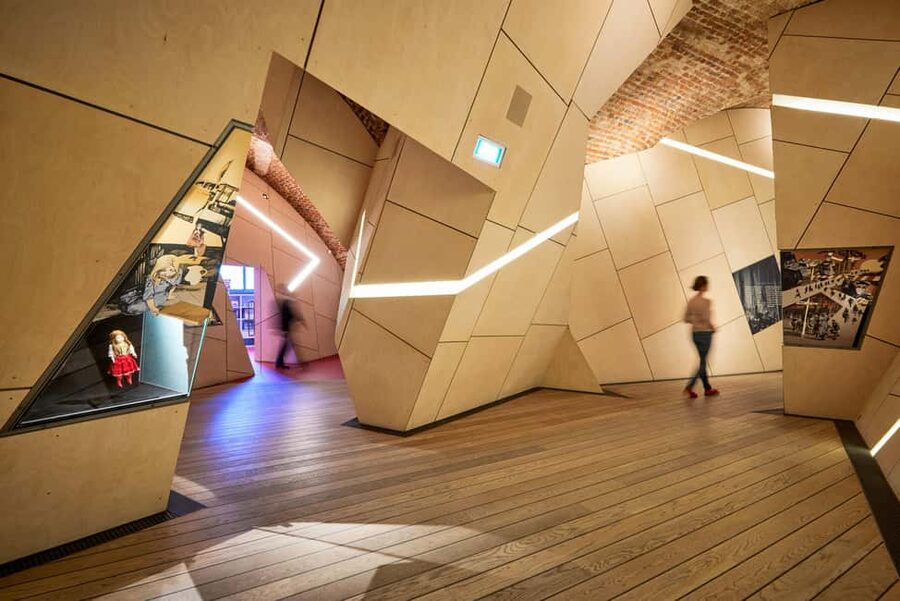
This is one of the museum’s two main exhibitions, and it is where the 20th century takes center stage. The exhibition focuses on flight and persecution, especially the war years from 1943 to 1945 in Denmark, and it does not stop at the end of WWII.
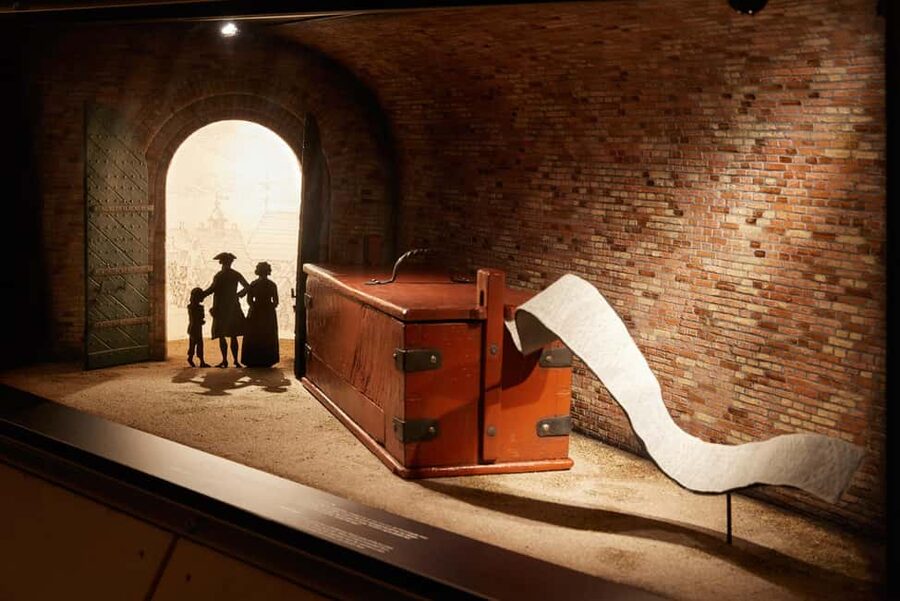
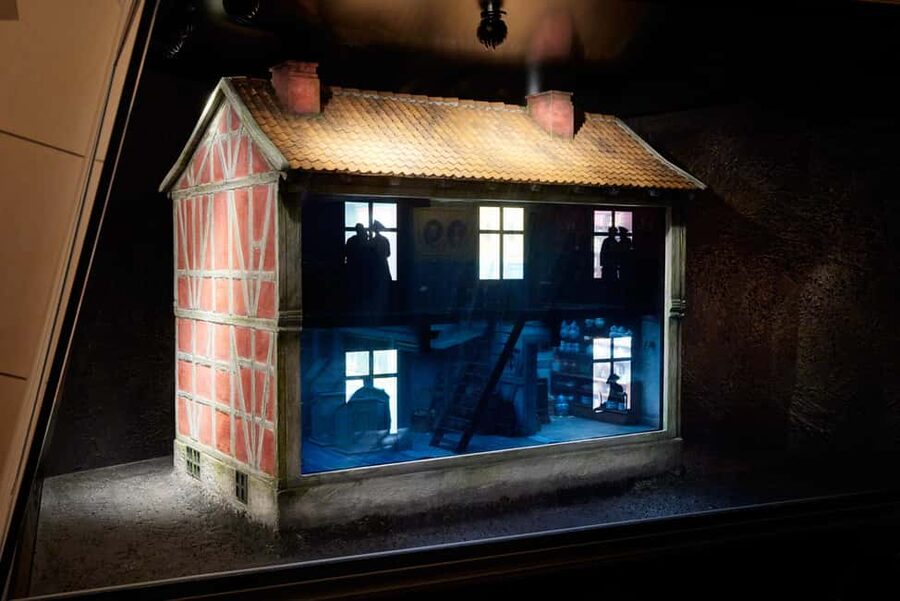
A standout feature is how the museum uses carefully selected objects brought to life through illustrations by artist Kristian Bay Kirk. Instead of treating artifacts like static displays, the exhibition presentation helps you connect what you are seeing to the people and choices behind it.
You will also encounter a forward-looking message. The exhibition extends to the present because antisemitism did not disappear after the war, and it has continued to exist in multiple countries, including Denmark. That is heavy subject matter, but it is presented in a way that keeps the story relevant rather than locked in the past.
Even more Things to Do in Copenhagen
- Copenhagen Card-Discover: 80+ Attractions & Public Transport
★ 4.6 · 5,351 reviews - Copenhagen: Hop-On Hop-Off Bus Tour with Boat Tour Option
★ 3.9 · 4,122 reviews - Private Walking Grand Tour of Copenhagen
★ 5.0 · 3,953 reviews
The Gate to Denmark: 18th-century beginnings and the 400-year thread
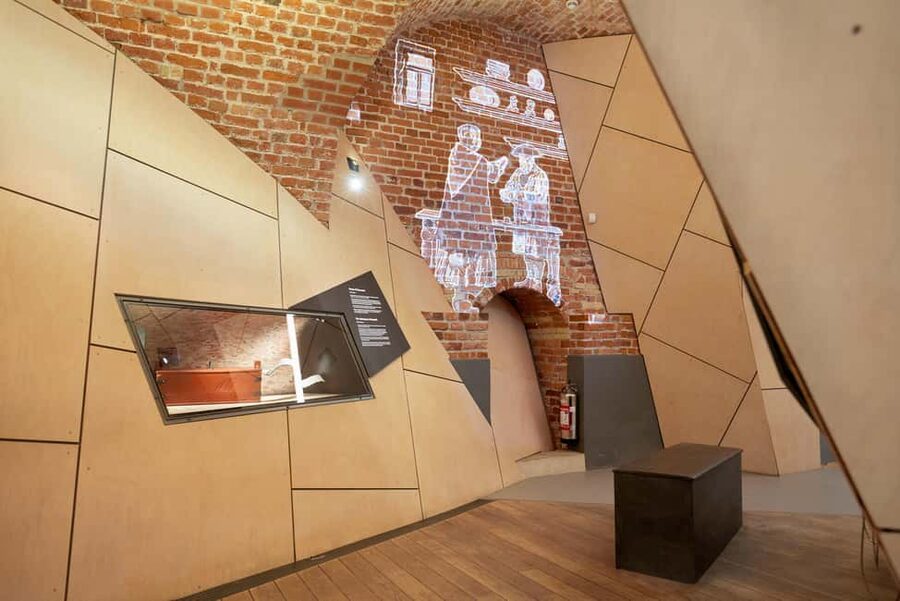
The second main exhibition is The Gate to Denmark, and it is your entry point into the longer narrative. This section focuses on how Jewish life was established in Denmark during the 18th century, building toward that bigger picture of 400 years of community life.
What I like about this structure is that it gives context before you hit the most difficult material. You see that Jewish life in Denmark was not only a WWII story. It had roots, institutions, and everyday culture long before 1943 arrived.
The exhibition was developed in collaboration with the exhibition design studio at Moesgaard Museum. Even if you do not care about production credits, you can feel the intent to make the historical arc coherent, with the museum design supporting your understanding.
If you want a museum visit that gives you a sense of both origin and aftermath, this pairing of exhibitions is a smart match.
The 1943 to 1945 story in plain terms
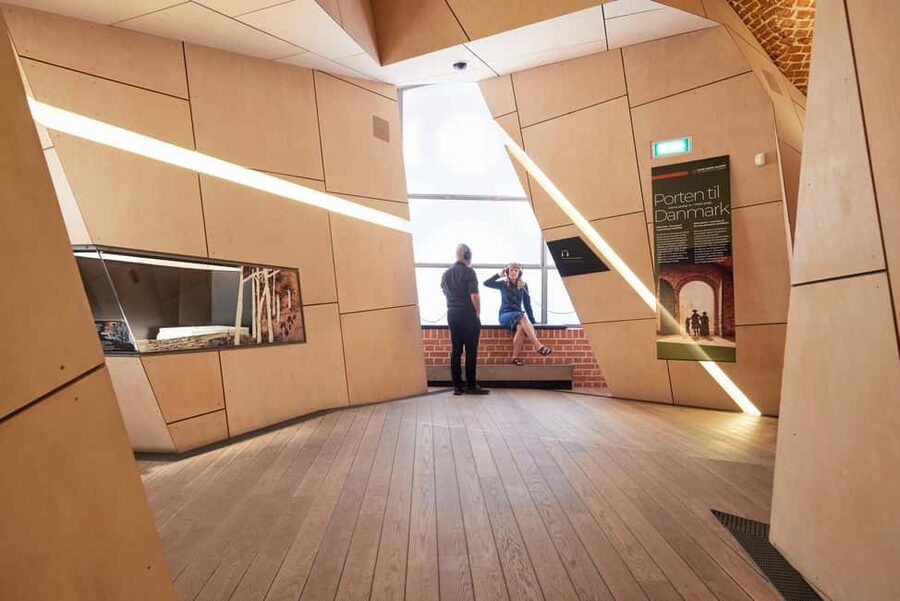
The museum highlights the war experiences of Danish Jews from 1943 to 1945, a crucial window in Denmark’s WWII history. This is the period most directly connected to the museum’s idea of Mitzvah and the survival story tied to flight.
I appreciate that the museum frames the years you care about without making you guess what the stakes were. The focus on persecution and flight helps you understand why escape routes mattered and what the choices meant for real families.
The emotional impact comes from the combination of architecture and exhibition design. The entrance and layout lead you into the story with the light-versus-dark theme, then the galleries move you into specific historical experience.
If you do not want to spend hours reading, you can still take in a clear narrative arc. If you do want to read carefully, this is where your time pays off.
What to expect on your 45 to 60 minute self-guided route
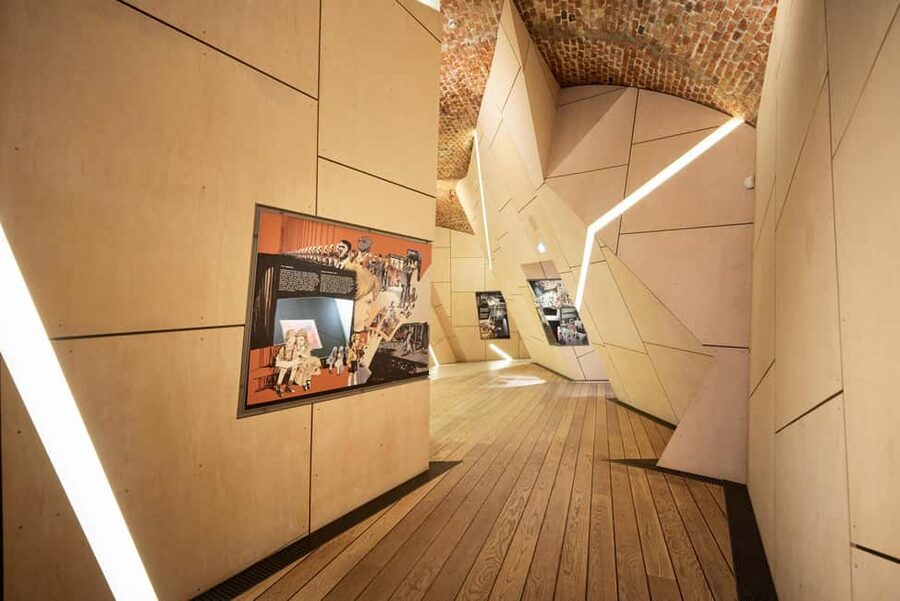
Because guided tours are not included, plan for a self-paced visit. The museum is small, and you should expect to spend about 45 minutes to 1 hour overall, depending on how closely you read labels.
Here is a practical way to pace it:
First, start with the entrance and building design. Take 2 to 5 minutes to notice the light wooden paneling and the sloped floors. It sounds minor, but it affects how you emotionally process the galleries.
Then, spend your main time on Flight and Persecution. This is usually the longer and more intense exhibition of the two, thanks to its object storytelling and the shift toward the present day.
Finally, move to The Gate to Denmark to round out the story. It gives you the longer context behind the WWII narrative, and it helps the museum feel less like a single tragic chapter and more like a continuous history.
If you are visiting with limited time, this order works well. If you are especially sensitive to difficult topics, you can swap the order, but the museum’s theme tends to build naturally from earlier life to crisis.
English and Danish support, plus how to read efficiently
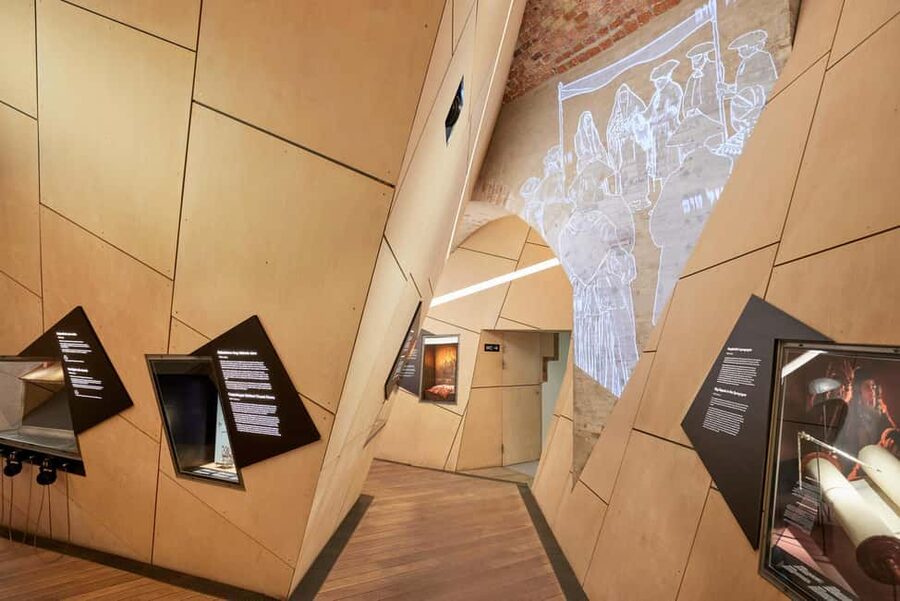
The museum provides English and Danish translations. That helps a lot because it means you can follow the structure without needing to rely on your Danish reading skills.
To make the most of your time, do not try to read everything equally. Start with the big labels that explain time periods and the purpose of each display. Then, pick a few objects that truly catch your attention and read deeper around them.
The exhibitions are designed around carefully selected items, so your best strategy is quality over quantity. You will finish the visit feeling informed rather than mentally exhausted.
Wheelchair accessibility: plan a comfortable pace
The museum is wheelchair accessible. Since the galleries include sloping floors, you will want to move at a comfortable speed and keep enough time for careful transitions between display areas.
If you use a mobility aid, consider arriving with a relaxed mindset. This museum is more about meaning than distance, so you can keep things steady and unhurried.
Price and value: is $15 USD worth it?
At $15 per person, the price is reasonable for a museum experience that is both focused and concept-driven. You are paying for a state-recognized cultural history museum visit, two main exhibitions, and a building designed by Daniel Libeskind.
You are also getting a short, efficient visit. If you only have an hour in Copenhagen, this ticket can fill that time with something substantial, rather than leaving you with the “I wandered around but learned little” feeling.
Where the value is highest is if you care about historical storytelling that is connected to specific Danish experiences, not just a general overview. Where it might feel less cost-effective is if you prefer huge museum complexes with many hours of galleries, because this is compact.
Who should book this ticket?
I would book this ticket if you want:
- A clear story of 400 years of Jewish life in Denmark
- A museum experience where architecture has meaning
- The WWII years 1943 to 1945 explained in the Danish context
- A visit that fits into 45 minutes to 1 hour
You might consider skipping if you are specifically hunting for a big multi-room museum with lots of variety and very long visiting time. This ticket is for focused learning and emotional storytelling, not for endless wandering.
Should you book the Danish Jewish Museum entry ticket?
Yes, I think it is worth booking if your goal is a compact museum stop that actually teaches you something. The combination of Libeskind-designed architecture, the Mitzvah concept, and two exhibitions that connect origin, persecution, and the present makes this more than a quick educational errand.
Book it especially if you like your history with structure, theme, and context. If you are already planning other Copenhagen museums, it is an excellent contrast, because it is smaller and more personal in its presentation.
FAQ
How much is the Danish Jewish Museum entry ticket?
The price is listed as $15 per person.
How long should I plan for my visit?
Plan for about 45 minutes to 1 hour, since the museum is small.
What exhibitions can I see with this entry ticket?
You can see Flight and Persecution in the 20th Century and The Gate to Denmark.
Who designed the new entrance?
The new entrance was designed by Daniel Libeskind.
What does the museum mean by Mitzvah?
The museum uses the Hebrew word Mitzvah, meaning a good deed, and it connects this idea to how many Danish Jews survived World War II by fleeing to Sweden.
Are there English and Danish translations available?
Yes, the museum information is available with English and Danish translation.
Is the museum wheelchair accessible?
Yes, the museum is wheelchair accessible.
Is a guided tour included with the ticket?
No. This ticket provides museum access, but guided tours are not included.
How long is the ticket valid, and can I cancel for a refund?
The ticket is valid for 365 days, and you can cancel up to 24 hours in advance for a full refund.
The latest around Copenhagen
- Copenhagen: Guided Tour of Vesterbro and Christianshavn★ 5.0 · 1 review
- Stevn Klint UNESCO Heritage Tour and Vikingborg Fort.★ 5.0 · 1 review
- Historical Pod Walk Tour on the Slaves of Copenhagen★ 5.0 · 1 review
- Copenhagen Old Town, Nyhavn, Canal Walking Tour & Christiana★ 5.0 · 1 review
- Queer Copenhagen Historical Tour★ 5.0 · 1 review
- Castle Island’s Royal History: A Self-Guided Audio Tour of Slotsholmen★ 5.0 · 1 review
Museums, compared.

MACA Museum ‘Banksy & Street Art: The Early Years’ Art Exhibition
Read our review →
Danish National Museum Copenhagen Archeology History Tour
Read our review →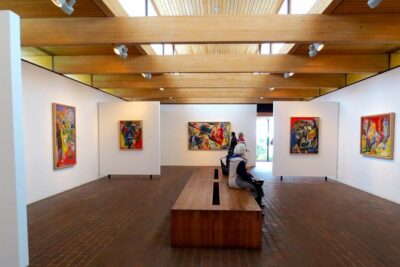
Browse the lists this tour appears in