
Reviewed · MUSEUMS
Copenhagen: Danish War Museum Entry Ticket
One long room, 500 years of conflict, and a hammock thrown into the mix. The Danish War Museum turns a working Arsenal building into a clear, chronological walk through Danish military life, from the 1500s to Afghanistan. I particularly loved the way the exhibits are laid out, making it easy to keep moving and not feel lost.
Two things I liked a lot are the 163 meters long first-floor hall and the standout objects, like unusual uniforms and artifact displays that actually make you stop. One heads-up: there is currently no elevator, so if you need first-floor access, plan around the stair routes.
In This Review
- Key highlights you will not want to miss
- Tøjhus Arsenal: where the museum gets its atmosphere
- 1500s to Afghanistan: the timeline that keeps your attention
- Armor, weapons, and those oddball objects that grab your focus
- The 163-meter hall and the hammock break by the seven seas
- Modern conflict questions: drones and the future battlefield
- How to plan your day with a one-day entry ticket
- Price and value: what $20 buys you in Copenhagen
- Who this museum fits best
- Should you book the Danish War Museum entry ticket?
- FAQ
- How long is the Danish War Museum ticket valid?
- What is included with the ticket?
- Where is the museum located?
- What time period does the museum cover?
- What can I see in the museum beyond general galleries?
- Is there an elevator to reach the first-floor exhibitions?
- Can I bring a wheelchair or baby carriage?
- Is there a special exhibition about drones?
- Can I cancel for a refund?
Key highlights you will not want to miss
- Tøjhus Arsenal setting: Christian IV’s 1604 armory building gives the whole museum weight.
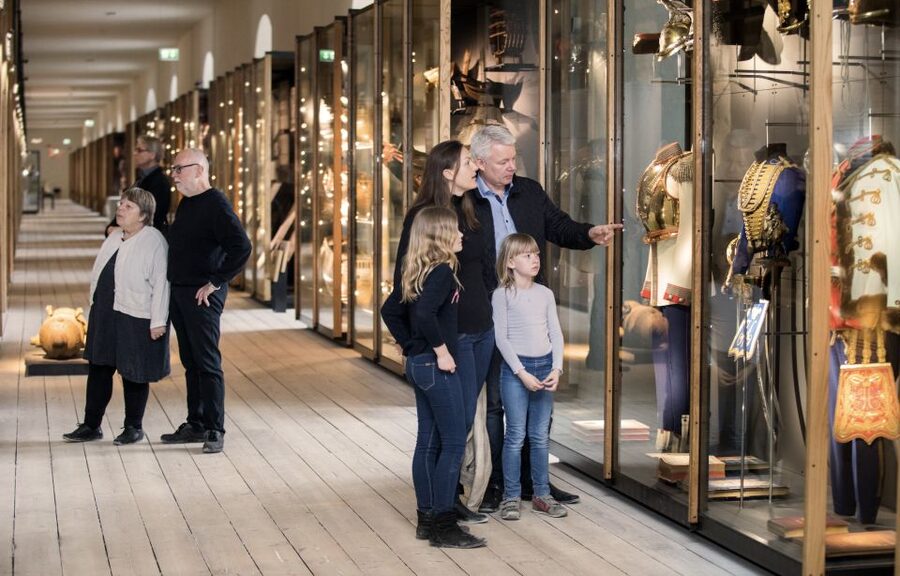
- The 163 m first-floor hall: a long, dramatic room that changes how you experience the galleries.
- Armor and weapons across centuries: 15th-century knight armor to later conflicts, all in one flow.
- Hammock break with Danish seven-seas stories: a rare quiet moment in the middle of war-themed exhibits.
- Big “what drones change” spot exhibition: a timely look at unmanned warfare and defense questions.
Tøjhus Arsenal: where the museum gets its atmosphere
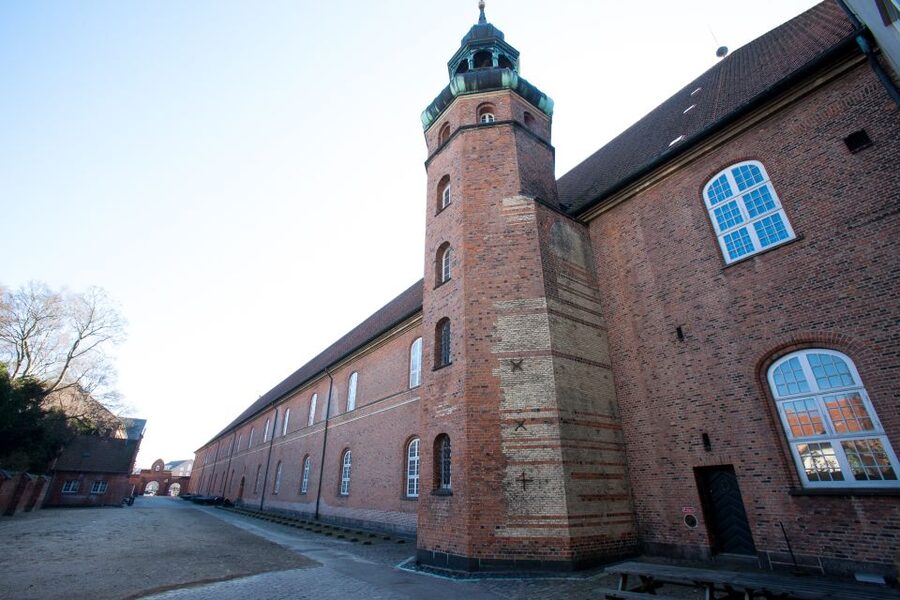
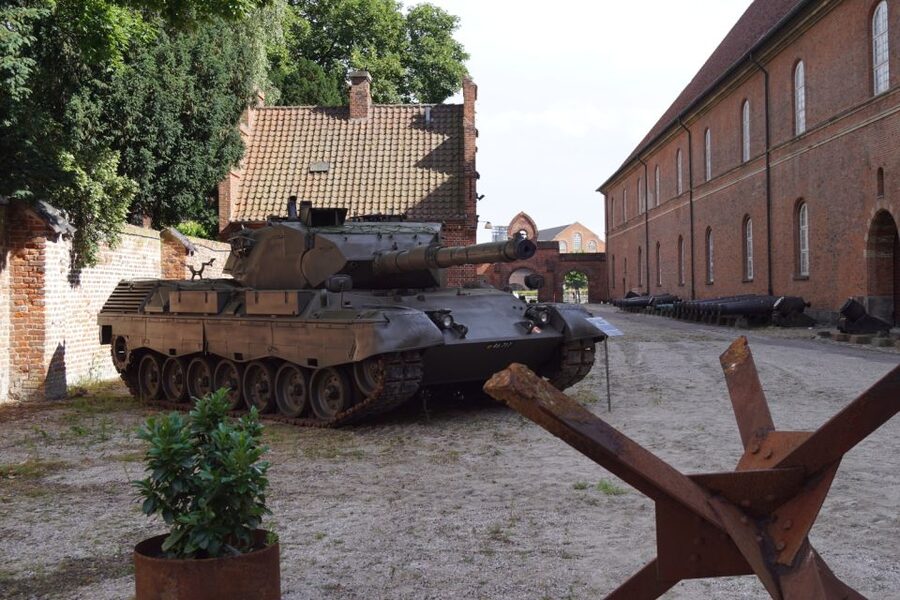
This museum is housed in the historic Tøjhus Arsenal, an armory building constructed by Christian IV in 1604. That matters more than you might think. Instead of feeling like you are wandering through neutral rooms, you are walking inside a structure designed for defense, storage, and equipment. The building itself sets a serious tone, and it also helps the exhibits feel connected to real military purpose.
One of the first surprises is the sheer scale. The first floor includes a 163 meters long hall, described as the longest room in the Nordics. You can feel that length as you move. It gives the museum a steady rhythm, like you are walking along a timeline that keeps extending.
Practical note for planning: the museum has no elevator for reaching the first-floor exhibitions. If stairs are an issue, you should factor that in early and decide how much of the first floor you realistically want to tackle. You can bring your own wheelchair or baby carriage, which helps, but you still need to plan for the stairs.
More design and history museums in Copenhagen:




1500s to Afghanistan: the timeline that keeps your attention
The Danish War Museum is built to cover Denmark’s military story in a way you can follow. It stretches from the 1500s all the way to the present day, including Denmark’s role in the War in Afghanistan. The result is not just a list of battles. You get a sense of how tools, tactics, and priorities change over time.
As you move through the earlier periods, you can see why war in different centuries looked so different. There is shining armor from 15th-century Danish knights, and those displays do more than impress your eyes. They help you understand how equipment shaped power, strategy, and status.
Later rooms focus on specific conflicts that shaped Denmark. You will see material about the 17th-century war with the Swedes and the 19th-century conflict with the English. Then the story moves into the modern era, where Denmark’s experiences in World War II and the Cold War are covered, followed by Denmark’s involvement in 21st-century conflicts.
What I found valuable is the museum’s steady “keep going” logic. If you like history but you do not want to work too hard, this structure helps. You are not hunting for the next important section. You are walking forward through time.
Armor, weapons, and those oddball objects that grab your focus
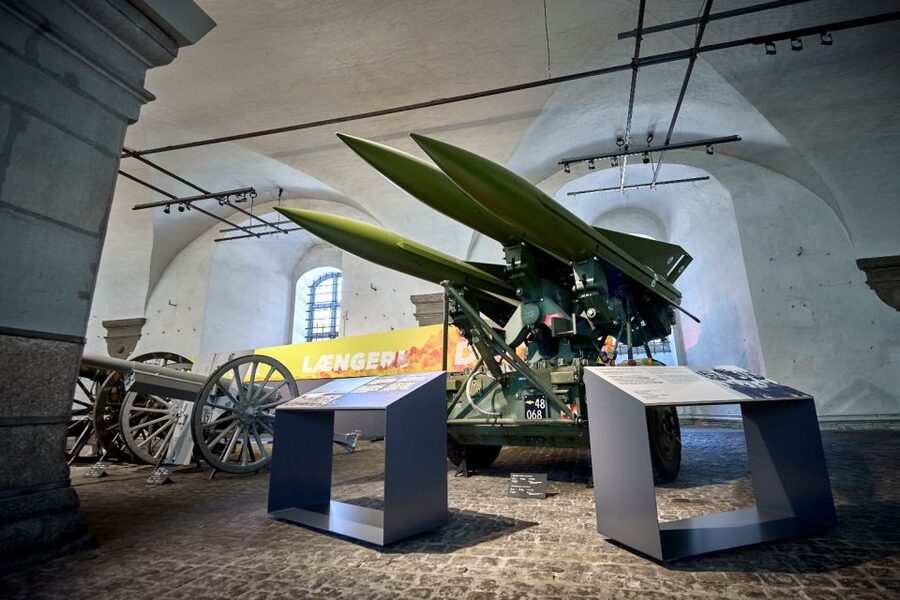
Military museums can sometimes feel like a catalogue of weapons. Here, the standout pieces do more than look impressive. They act like story anchors. When you see something unusual, it forces you to slow down and ask what it means.
A few objects you should look for:
- A ship model made of bones
- A 150-year-old biscuita military car that ran over a roadside bomb in Afghanistan, but everyone survived
- The world’s only complete example of a uniform from the American Civil War
Yes, bone ship models and survival stories from modern warfare sound like they belong in different worlds. That is exactly why they work here. The museum shows you how Denmark’s military narrative connects to global events, and how war technology and outcomes keep evolving.
Those unexpected objects also make the experience feel more human. Armor is about strength and protection. Vehicles are about mobility and survival. A uniform is about identity and who fought. By the time you reach the more recent parts of the museum, those earlier “what is this and why does it matter” moments help everything land.
The 163-meter hall and the hammock break by the seven seas
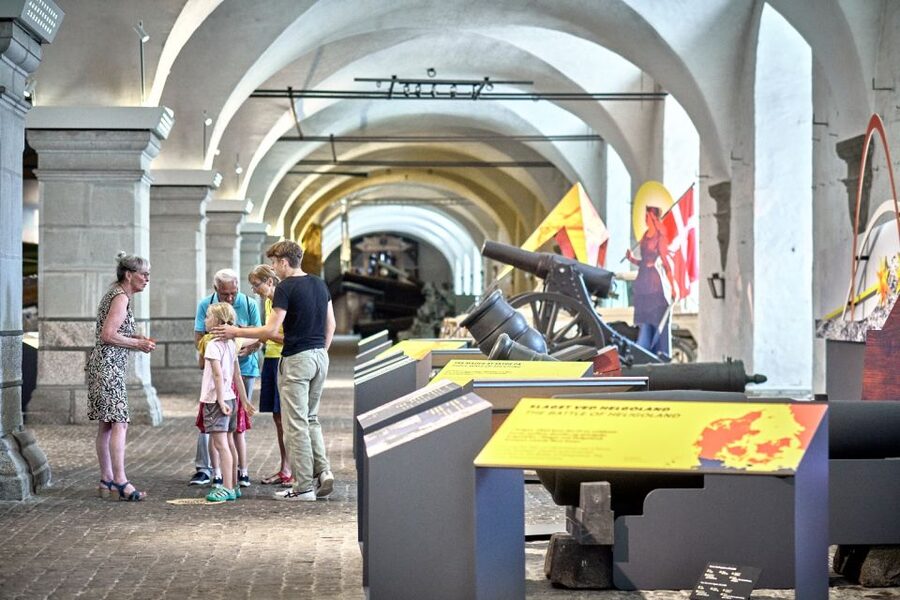
The museum does not keep you running in one nonstop line of information. It builds in a shift in tone, and that is a smart design choice.
After you have been staring at armor and weapons, you can take a pause in a hammock while you listen to Danish stories from the seven seas. That setup is unusual in a war museum. It turns a break into part of the experience instead of a random sitting spot. You get a moment of breathing space, and the stories help widen the theme beyond battles and equipment.
Then you go back to the exhibitions with fresher attention. I like that because war history can start to feel repetitive if you binge it. The hammock helps reset your brain.
If you are visiting as a couple or a family, this is also a natural “everyone gets a turn” moment. You do not have to convince anyone to slow down. The museum literally gives you a reason to.
Even more Things to Do in Copenhagen
- Copenhagen Card-Discover: 80+ Attractions & Public Transport
★ 4.6 · 5,351 reviews - Copenhagen: Hop-On Hop-Off Bus Tour with Boat Tour Option
★ 3.9 · 4,122 reviews - Private Walking Grand Tour of Copenhagen
★ 5.0 · 3,953 reviews
Modern conflict questions: drones and the future battlefield
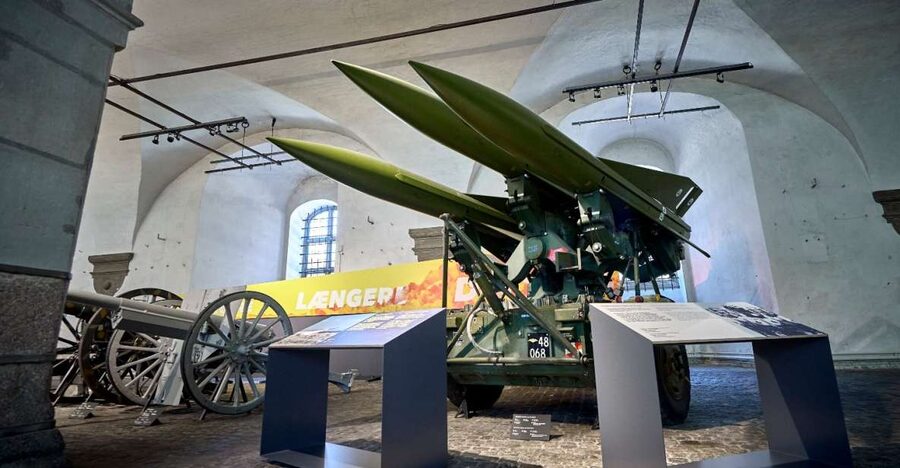
The museum has a newer spot exhibition: Have drones changed the way we wage war? It tackles drones with the kind of practical questions most history displays skip.
It frames drones as unmanned aerial weapons that can monitor, fear, and drop bombs, with cameras and sensors that create a sense that nowhere is safe. The information points to current real-world use, including media coverage of drone activity in Ukraine and other battlefields, and it also notes the way social media spreads images of drone attacks.
Then the exhibit turns toward the hard future questions:
- What does this mean for soldiers and civilians when drones watch and strike?
- Can drones become pure killing machines that operate on their own?
- Can defense systems stop a drone attack, using Denmark’s defense resources as the reference point?
The tone here is not just fear for effect. It is a prompt to think about systems, not only weapons. For me, that makes it feel relevant to today’s world, not stuck in a past tense museum box.
How to plan your day with a one-day entry ticket
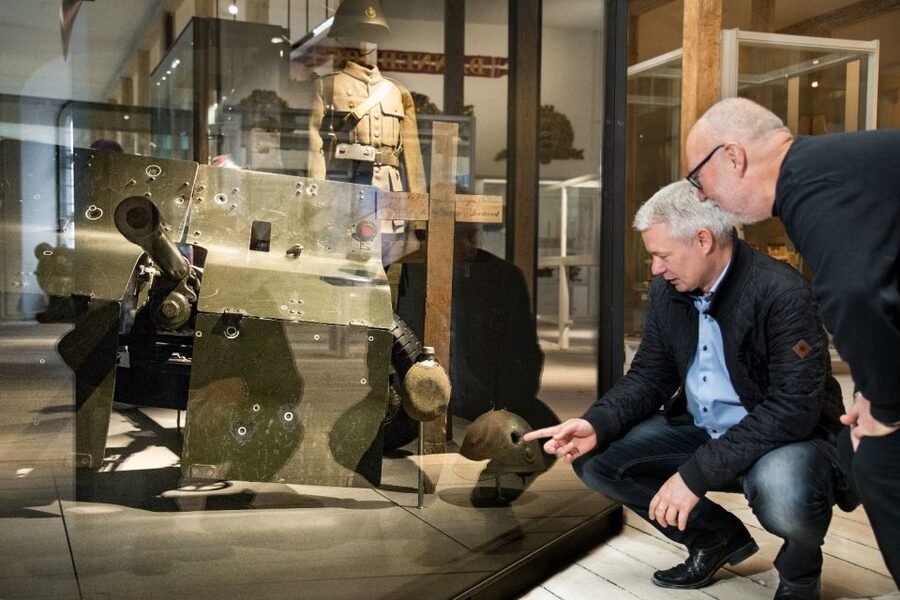
This experience is set up for a one-day visit. That is good news because you can pace it. You do not have to sprint through everything, and you can spend extra time at the artifacts that catch your attention.
Here is a smart way to structure your day without turning it into a homework assignment:
- Start with the historical flow early, when you have the most energy.
- Spend your deep-attention time on the “anchor” objects, like the armor displays and the unusual items.
- Build your break around the hammock moment.
- Finish with the drone exhibition so your last memories feel current and thought-provoking.
Because there is no elevator to the first floor, you may want to decide early how you will handle stair access. If you know you will need to limit first-floor time, adjust your priorities. Focus on the sections that are most central to your interests, and do not feel guilty skipping something you cannot reach comfortably.
Also, check starting times availability for your ticket window. The museum is working on inaccessibility issues, but the first-floor elevator situation is a clear constraint right now.
Price and value: what $20 buys you in Copenhagen

At about $20 per person, this entry ticket is positioned as a serious museum visit rather than a quick stop. Is it worth it? I think it is a solid value if you like history that connects centuries in one coherent path.
Here is why it feels like good money:
- You get a full visit across eras, from the 1500s to present-day conflicts.
- The museum is inside a historical building, so you are paying for both the content and the setting.
- You see more than generic war photos. You get armor, weapons, and unique artifacts, including the bone ship model and rare uniform example.
- The experience has variety. You have visual displays, a major long hall, and the hammock break, plus a modern spot exhibition on drones.
Even if you are not a hardcore military history fan, the combination of traditional exhibits and the drone section helps. You are likely to get at least a couple of “wait, that is really interesting” moments, not just one.
If you are traveling with limited time in Copenhagen, this may still be a worthwhile museum stop because the concept is focused. You can do it in a day, and you walk away with a clearer view of Denmark’s military story than you would from a few casual stops.
Who this museum fits best
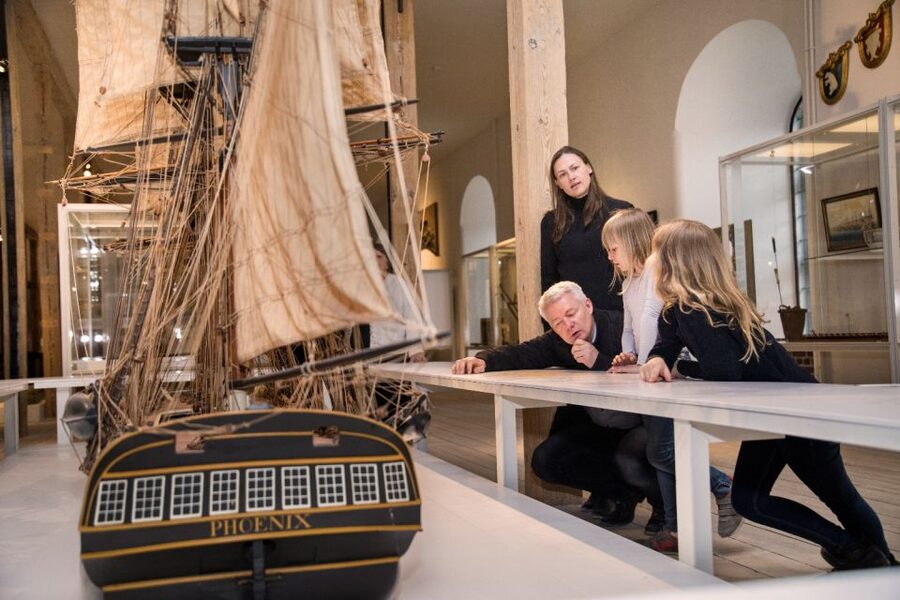
You will probably love this museum if:
- You enjoy museums that have a clear timeline.
- You like hands-on looking displays, especially armor and weapons.
- You appreciate museums that ask modern questions, not just recount old battles.
- You want one of those Copenhagen experiences that is educational but not stiff.
It is a good fit for solo travelers and couples because you can move at your own pace, stop at the objects that pull you in, and spend time in the hall. Families can also enjoy it, especially if everyone likes to see big rooms and unusual objects. Just factor in the first-floor access issue if you have mobility constraints.
If you want a light, fluffy attraction, this is not it. This museum is about war and its effects. The hammock and the seven-seas stories provide a softer moment, but the overall theme stays serious.
Should you book the Danish War Museum entry ticket?
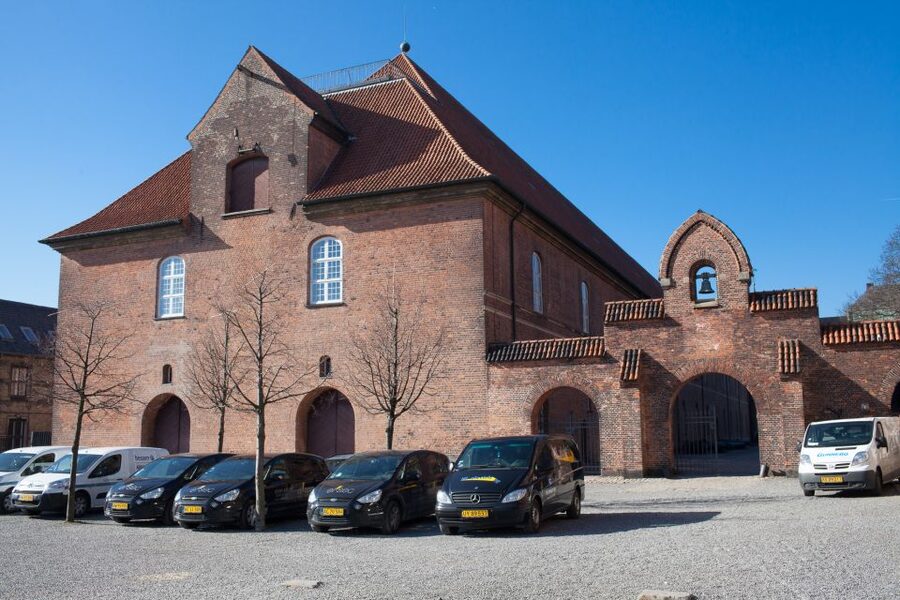
Yes, I would book it if you want one museum day in Copenhagen that is structured, specific, and memorable. The 163-meter hall, the Tøjhus Arsenal setting, and the mix of centuries make it more than a generic history stop. Plus, the drone exhibit gives you something timely to think about as you leave.
I would hesitate only if stairs will be a deal-breaker for you. With no elevator to the first-floor exhibitions, you may need to limit what you can reach. If that is not a problem, this is a strong value way to spend a day.
FAQ
How long is the Danish War Museum ticket valid?
The ticket is valid for 1 day. You will also want to check availability to see starting times.
What is included with the ticket?
The museum ticket is included.
Where is the museum located?
It is located in the historic Tøjhus Arsenal building in the Zealand Region of Denmark.
What time period does the museum cover?
The museum covers Danish war history from the 1500s to present day, including the War in Afghanistan.
What can I see in the museum beyond general galleries?
You can see standout items such as a ship model made of bones, a biscuita military car connected to an Afghanistan roadside bomb story, and the world’s only complete example of a uniform from the American Civil War.
Is there an elevator to reach the first-floor exhibitions?
There is currently no elevator to help reach the exhibitions on the first floor.
Can I bring a wheelchair or baby carriage?
Yes, it is possible to bring your own wheelchair or baby carriage.
Is there a special exhibition about drones?
Yes. There is a spot exhibition called Have drones changed the way we wage war?
Can I cancel for a refund?
You can cancel up to 24 hours in advance for a full refund.
The latest around Copenhagen
- Copenhagen: Guided Tour of Vesterbro and Christianshavn★ 5.0 · 1 review
- Stevn Klint UNESCO Heritage Tour and Vikingborg Fort.★ 5.0 · 1 review
- Historical Pod Walk Tour on the Slaves of Copenhagen★ 5.0 · 1 review
- Copenhagen Old Town, Nyhavn, Canal Walking Tour & Christiana★ 5.0 · 1 review
- Queer Copenhagen Historical Tour★ 5.0 · 1 review
- Castle Island’s Royal History: A Self-Guided Audio Tour of Slotsholmen★ 5.0 · 1 review
Museums, compared.



MACA Museum ‘Banksy & Street Art: The Early Years’ Art Exhibition
Read our review →
Danish National Museum Copenhagen Archeology History Tour
Read our review →
Browse the lists this tour appears in