
Reviewed · MUSEUMS
MACA Museum ‘Banksy & Street Art: The Early Years’ Art Exhibition
Street art history in Copenhagen. In the MACA Museum exhibition Banksy & Street Art: The Early Years, you get a fast, focused look at how graffiti and poster-style provocation evolved into the global phenomenon Banksy is today, and I love that it all happens inside a beautiful 19th-century building. I also like that the museum shows the broader street art scene alongside major modern names, not just one artist, and my one caution is practical: expect stairs and plenty of written interpretation.
What makes this feel worthwhile is the balance of art focus and Copenhagen context. The museum sits in the city center, and the experience ties in with a stop near Nyhavn, so you’re not just reading about street art style, you’re also seeing the type of lively, public spaces where this kind of art developed.
At around 45 minutes to 1 hour, it’s a good add-on when your day already includes classic Copenhagen sights. You’ll go in English, use a mobile ticket, and most people can participate, but if you prefer a purely visual stroll with minimal text, plan your pace accordingly.
In This Review
- Key things to know before you go
- MACA Museum and the Banksy story in under two hours
- The Nyhavn connection, and why street art belongs outdoors
- What you’ll see inside: multiple floors, different moods
- The writing on the walls: useful, but pace it
- Practical comfort: stairs, coats, and museum basics
- Price and timing: $25.87 for admission and a focused hit
- How to blend this with the rest of your Copenhagen day
- Who should book this exhibition experience
- Should you book this Banksy & Street Art experience?
- FAQ
- How long is Banksy & Street Art: The Early Years at MACA Museum?
- Is the tour offered in English?
- Do I get a mobile ticket?
- Is the museum admission included in the price?
- Where is it in Copenhagen?
- What is the cancellation policy?
Key things to know before you go
- Admission is included, so you are paying for the museum entry with the exhibition experience built in.
- Banksy and early street art are the headline, with additional street-art and contemporary artists in the museum context.
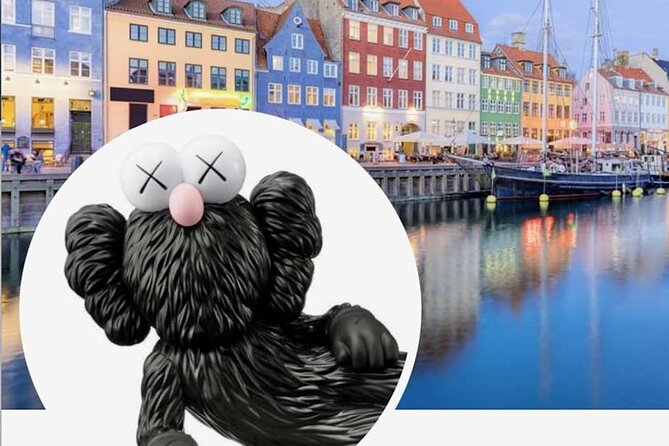
- A Nyhavn stop connects the exhibition to Copenhagen’s real streets and postcard-ready waterfront energy.
- It takes about 45 minutes to 1 hour, which is great for fitting into a busy itinerary.
- You’ll climb stairs, so wear shoes that work for museum steps.
- English is offered, with on-site descriptions that can require some reading time.
MACA Museum and the Banksy story in under two hours
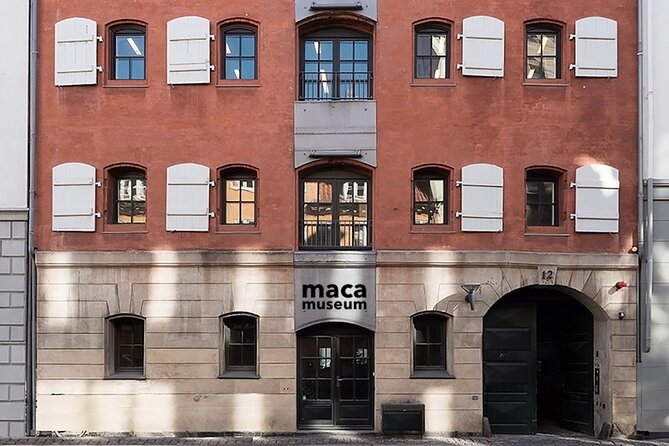
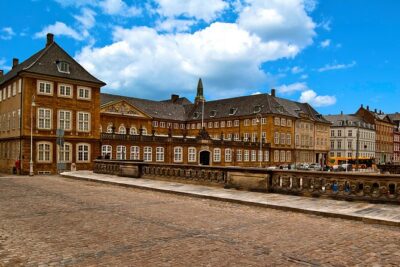
MACA Museum has a knack for making modern art feel approachable. The building itself is the kind of 19th-century setting that makes you slow down, look up, and notice details, even before you reach the street art section. Then the exhibition theme does the rest: Banksy & Street Art: The Early Years frames street art not as a style you either love or ignore, but as a timeline of ideas, techniques, and culture.
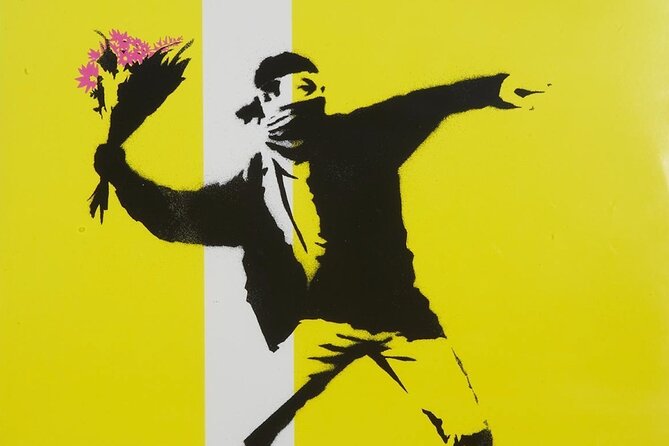
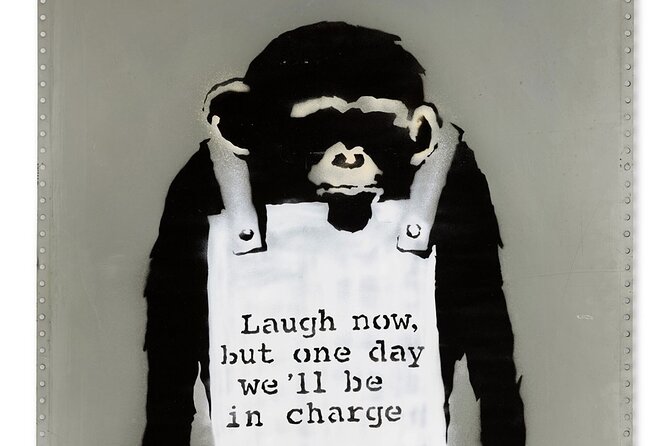
You’ll see Banksy as the magnet for attention, but the curatorial vibe is broader than a one-artist show. The museum’s collection and featured artists include big modern names like Warhol, Basquiat, RETNA, KAWS, Hirst, and Murakami, which matters because it places street art in the same conversation as contemporary art history.
Value-wise, I like that this is timed like a “quick hit.” At about 45 minutes to 1 hour, you can get the core experience without sacrificing your whole day. That matters in Copenhagen, where you can easily stack sights too tightly and end up rushing everywhere.
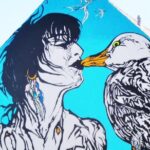
More painted walls in Copenhagen:

The Nyhavn connection, and why street art belongs outdoors
The experience includes a stop in the Nyhavn area, which is a smart pairing even if you only get a brief look. Nyhavn is the kind of place that shows you why street art works: it’s public, visible, and part of the urban mix. When street art first gains attention, it’s often because it interrupts ordinary movement through a city.
Even with a short timeframe, the Nyhavn stop helps you make sense of what the exhibition is trying to explain. You’re not just seeing artwork behind glass or on a wall. You’re getting the reminder that street art is built for the street, the crowd, the chance encounter, and the awkward pause people make when they notice something they didn’t expect to see.
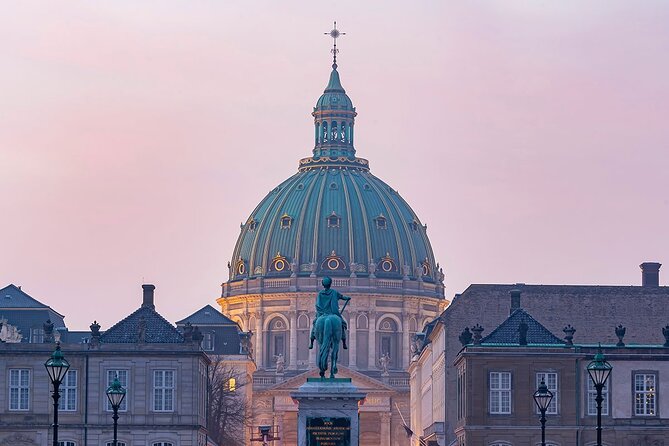
If your day already includes Copenhagen landmarks nearby, this route is practical too. MACA Museum is within walking distance of Amalienborg Palace, Frederiksberg Kirke Marmorkirken, and Strøget, the long shopping street linked to Hans Christian Andersen. In other words, you can anchor your art plan here, then keep exploring nearby without major transit.
What you’ll see inside: multiple floors, different moods
The museum experience spreads across multiple levels, and you’ll want to treat it like a small journey rather than a single room. Several visitors note the exhibition has a structure across three floors, with different displays and interpretive descriptions, so you’re moving through the story in segments.
The main theme is early street art development and the path that led to Banksy’s distinctive voice. Expect to see works that connect graffiti and street art techniques to visual storytelling, social messaging, and the way street artists build reputations. The point is not just to admire the art, it’s to understand how the style and the stance changed over time.
One thing I appreciate about this kind of multi-room setup is how it changes your brain. In one space, you can focus on image and style. In another, you may be reading more context. That rhythm can turn an “I like street art” trip into a “now I get why this matters” visit.
The writing on the walls: useful, but pace it
Here’s the honest part: there is a lot of reading in this exhibition. Some visitors love the in-depth explanations, while others find the text-heavy approach a bit much.
If you enjoy context, you’ll probably find the written descriptions genuinely helpful. Early street art is packed with references, symbols, and cultural signals, and the labels are where a lot of the meaning sits. If you’re the kind of person who likes to understand what you’re looking at, this will feel satisfying.
If you do not want to read a lot, you still can. Focus on the artwork first, then skim the descriptions for the key idea. You can also spend longer on the pieces that catch your eye and move quickly through sections where you feel the text is slowing you down. The good news is that the exhibit still gives you visual material to enjoy even when you do not read every line.
More design and history museums in Copenhagen:
- Copenhagen: National Museum of Denmark Entry Ticket
★ 4.5 · 960 reviews - Exhibition – Home of Carlsberg
★ 4.5 · 281 reviews - Copenhagen: Danish War Museum Entry Ticket
★ 4.7 · 106 reviews
Practical comfort: stairs, coats, and museum basics
Museums sound simple until you hit the stairs with tired feet. In this experience, plan for stairs up and down. Several visitors specifically call this out, so I’d treat it as a planning factor rather than an unpleasant surprise.
What to do:
- Wear supportive shoes, especially if you are combining this with shopping or sightseeing afterward.
- Give yourself a little extra time if you’re stopping to read labels, since moving between floors adds minutes.
- If you travel with a bag or coat, the museum has practical features like coat or bag storage and toilets available.
The setup is designed for a normal museum visit, not a sprint. That makes it easier to relax and take in the exhibition, but it does mean you should not assume this is completely “stand-and-see only.”
Price and timing: $25.87 for admission and a focused hit

At $25.87 per person, you’re not paying for a long guided day. You’re paying for entry plus the curated experience that frames early street art history with Banksy as the anchor.
For me, the value comes from the combination of:
- Admission included, so you are not adding extra museum ticket costs.
- A tight duration (about 45 minutes to 1 hour), which protects your schedule.
- English-language presentation, which helps you stay engaged without hunting for translations.
Copenhagen is pricey, and museum time is limited when you’re also trying to enjoy neighborhoods, food, and viewpoints. This sort of experience is a good middle option: structured enough to be meaningful, short enough that it doesn’t hijack your whole day.
It also tends to be booked ahead, with an average advance window of about 19 days. That’s a sign this is a popular add-on. If your trip dates are fixed, I’d secure tickets sooner rather than later.
How to blend this with the rest of your Copenhagen day
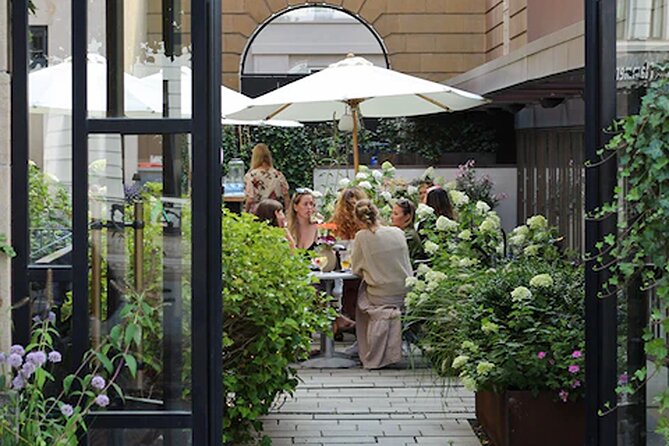
This area of the city is perfect for combining art with classic sights. Since MACA Museum is within walking distance of Amalienborg Palace and the Marble Church (Frederiksberg Kirke Marmorkirken), you can create a clean loop. You can start with the museum experience, then walk out toward the palace area, before heading toward Strøget for an easy end-of-day wander.
Nyhavn is also nearby in the overall “walkable Copenhagen center” sense, so your route can stay logical. You’ll spend less time on transit and more time moving at the pace that city sightseeing likes.
If you want a simple flow, think:
- Museum visit for the exhibition focus.
- Quick Nyhavn look to connect street art to real public space.
- Royal sights and shopping street, depending on your energy.
Who should book this exhibition experience
This one fits best if:
- You like street art and want the “early years” context, not just famous names.
- You want a short museum stop that still feels curated.
- You enjoy reading explanations on-site and connecting images to ideas.
It may not be your top choice if:
- You want minimal text and maximum visual scanning.
- Stairs are a real problem for you, since the exhibition experience includes moving between floors.
- You’re hoping for a very long, deep guided tour. The timeframe is designed to be tight.
If you’re traveling with teens or friends who are split on whether they care about art, this can help because Banksy is the hook and the museum format keeps it organized. Even if not everyone reads every label, you can still enjoy the overall story.
Should you book this Banksy & Street Art experience?
I think it’s worth booking if you want a focused, efficient way to understand how early street art themes evolved into what we see from Banksy today. Admission included, a clear museum layout across floors, and the short Nyhavn connection make it a smart value for a city day that is already packed.
Book it if you like street art enough to want context, and you’re comfortable with stairs and a fair amount of written interpretation. Skip it only if you strongly prefer art with little reading and no climbing.
If your Copenhagen plans leave you one hour with high potential, this is a solid use of that time.
FAQ
How long is Banksy & Street Art: The Early Years at MACA Museum?
It runs about 45 minutes to 1 hour.
Is the tour offered in English?
Yes, it is offered in English.
Do I get a mobile ticket?
Yes, you receive a mobile ticket.
Is the museum admission included in the price?
Yes, the admission ticket is included.
Where is it in Copenhagen?
It takes place at MACA Museum in Copenhagen, and the experience includes a stop in the Nyhavn area.
What is the cancellation policy?
You can cancel up to 24 hours in advance for a full refund.
The latest around Copenhagen
- Copenhagen: Guided Tour of Vesterbro and Christianshavn★ 5.0 · 1 review
- Stevn Klint UNESCO Heritage Tour and Vikingborg Fort.★ 5.0 · 1 review
- Historical Pod Walk Tour on the Slaves of Copenhagen★ 5.0 · 1 review
- Castle Island’s Royal History: A Self-Guided Audio Tour of Slotsholmen★ 5.0 · 1 review
- Copenhagen Old Town, Nyhavn, Canal Walking Tour & Christiana★ 5.0 · 1 review
- Queer Copenhagen Historical Tour★ 5.0 · 1 review
Museums, compared.


Danish National Museum Copenhagen Archeology History Tour
Read our review →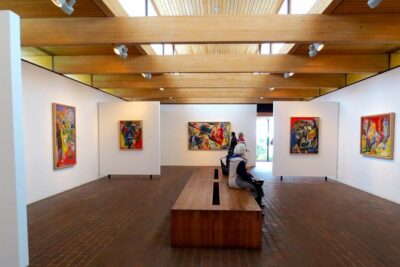
Browse the lists this tour appears in