
Reviewed · WALKING TOURS
Private Walking Grand Tour of Copenhagen
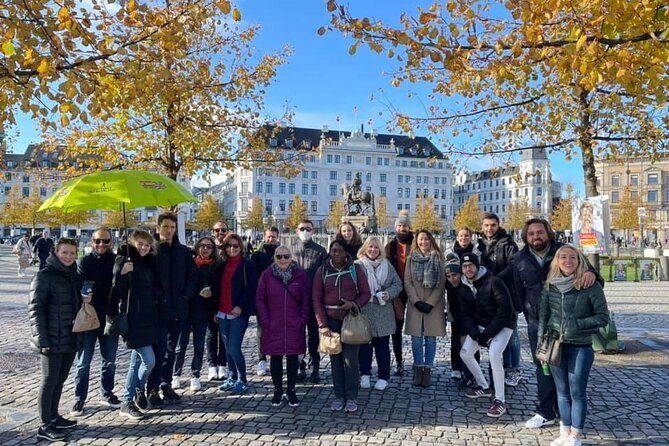
Copenhagen clicks into place fast. This private 3-hour walk hits the city’s biggest landmarks with individual pacing and a friendly, talk-your-ear-off guide. I especially like the private-group format (it keeps questions flowing and stress low), and I like how easy it feels to cover major sights on foot. One drawback to plan for: you mostly see famous buildings from the outside, not inside.
You start at Rådhuspladsen (Town Hall Square) and end at Amalienborg. Along the way, the route is built around classic Copenhagen hits like Stroget, Nyhavn, and Christiansborg, plus a few monuments and landmark facades that make the city feel real, not just photographed.
The whole thing runs in about three hours, and it works in all weather, so come dressed for Danish conditions. If you want a quick, high-value overview that still feels personal, this is a strong choice.
Key things that make this tour worth your time
Private means your questions actually get answered
With only your group, the guide can slow down, speed up, and adjust to what you care about.
Three hours is the sweet spot for Copenhagen walking
Short stops plus lots of city context helps you get oriented without burning half a day.
Exterior views still teach you the city
You’ll see famous architecture and royal landmarks without the added time cost of entrances.
Families usually do well on this route
Multiple guides adjust for kids with restroom and water breaks, and Copenhagen is flat enough to feel manageable.
You’ll leave with practical next-step ideas
Guides often add local tips beyond the route, including food recommendations in the area.
In This Review
- A private walking grand tour is the smartest way to “get Copenhagen”
- Start at Rådhuspladsen, then follow the city’s “spine” toward Stroget
- Stroget: the shopping street that doubles as a wayfinding tool
- Frederiks Kirke (Marmorkirken): see the big church, skip the line
- Nyhavn: the canal scene that teaches you how Copenhagen looks at water
- Amalienborg Palace Museum exterior views and the royal zone feeling
- Lur Blowers and the monument stop that breaks up the landmarks
- Passing Copenhagen Free Walking Tours: why this stop matters
- Royal Danish Theatre Play House: architecture eye-candy without the ticket time
- Magasin du Nord: a department store stop that adds everyday context
- Christiansborg Slot: Denmark’s power center seen from the outside
- Finishing at Amalienborg: closing the loop with the royal square
- What the guide actually adds (beyond facts on a map)
- Price and logistics: value for small groups, great for families
- Who should book this Copenhagen private walking tour?
- Should you book this private walking grand tour of Copenhagen?
- FAQ
- How long is the private walking grand tour of Copenhagen?
- What is the group size limit for this private tour?
- Where does the tour start and end?
- Is the tour offered in English?
- What is included in the price?
- Are food and drinks included?
- Is the tour affected by bad weather?
- Can I cancel for a full refund?
- Do I need an entry ticket for the listed stops?
A private walking grand tour is the smartest way to “get Copenhagen”
If you’ve got limited time, walking is how Copenhagen rewards you. The city is flat, the distances between central sights are reasonable, and the streets are designed for people on foot. A private walking tour also changes the tone. Instead of fighting for a spot at the front of a group, you get one main voice, one pace, and room for real questions.
I also like the “grand tour” idea here because it’s not just a checklist. The route bundles together shopping streets, canals, theater buildings, government space, and royal square sights, all within one compact loop. That matters because Copenhagen can feel like separate worlds if you visit only one neighborhood at a time.
One more practical point: because it’s private, you can match your pace to your group. In the feedback, guides like Paula, Jack, Francisco, Fran, Luca, Gabriela, Laura, and Wayne come up often, and the common theme is flexibility. One guide even made a point of pausing for a restroom break and water for kids, which is exactly the sort of detail that turns a walking tour from annoying to enjoyable.
Start at Rådhuspladsen, then follow the city’s “spine” toward Stroget
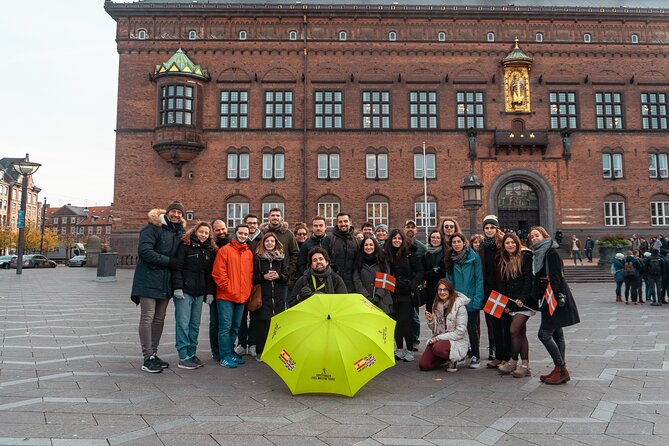
Your tour begins at Rådhuspladsen in central Copenhagen. This is a good start because it’s easy to find and it anchors the walk in the city’s everyday flow, not just tourist postcards. From there, you shift into the classic central corridor that locals and visitors both use.
The route quickly gives you something useful: a sense of direction. You’re not just seeing sights, you’re learning how they connect. That makes the rest of your trip easier, whether you’re trying to reach Nyhavn, find a café, or map out where you’ll spend tomorrow.
Also, the tour format is built for momentum. Each stop is short, then you’re moving again. That keeps energy up and avoids the dead time that can happen when a group waits around outside a building.
Even more walking tours in Copenhagen:



Stroget: the shopping street that doubles as a wayfinding tool
Stop one is Stroget. You’ll walk past the best-known stretch of Copenhagen’s shopping street and the guide will point out what to watch for. Think of this as more than retail. Stroget is also the city’s central corridor, so it acts like a living reference line.
What I like about starting here is that it sets expectations early. You see how Copenhagen blends stylish storefronts with everyday movement. And because you’re learning it on foot, you’ll remember where it sits relative to the next landmarks.
Since Stroget is a public, open-air area, you don’t need any tickets. That keeps the tour moving and helps you focus on the city, not logistics.
Frederiks Kirke (Marmorkirken): see the big church, skip the line
Next comes Frederiks Kirke, also called Marmorkirken. You’ll see the building on the tour, but you won’t enter. That’s a smart design choice for a three-hour overview. It gives you the visual impact and architectural presence without sacrificing time.
From a practical viewpoint, this works especially well if you’re traveling with kids or if you want a schedule that stays predictable. You get the landmark moment, then you’re on to the next neighborhood cue.
I’d only treat the exterior-only approach as a drawback if you were specifically hoping for inside viewing. If your priority is orientation and big city highlights, this is still a win.
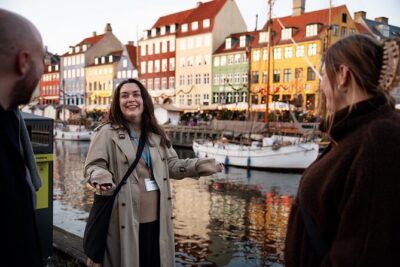
Nyhavn: the canal scene that teaches you how Copenhagen looks at water
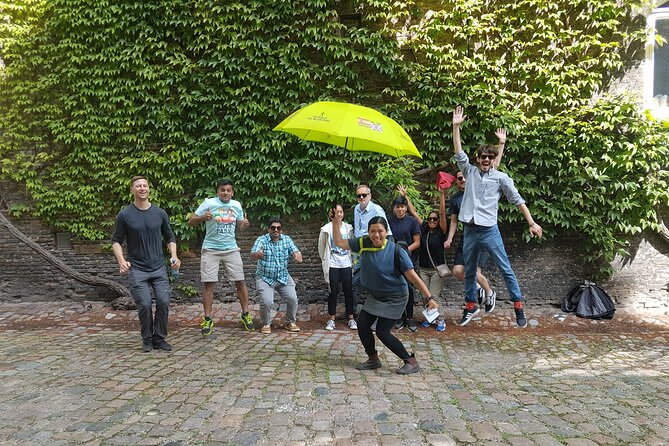
Then you’ll reach Nyhavn. You’ll see it on the tour, and this is one of those Copenhagen stops where the city’s character shows up fast. The canal setting gives the whole area a sense of rhythm, and it’s one of the easiest places to spot once you know where it sits.
Nyhavn is also a great “pause point” because it’s scenic without requiring formal entry. You can take photos, look around, and feel how the streets open up near water.
If you’re trying to understand the city’s layout, Nyhavn helps connect the dots between central shopping areas and the royal zone further along the walk.
Even more Things to Do in Copenhagen
- Copenhagen Card-Discover: 80+ Attractions & Public Transport
★ 4.6 · 5,351 reviews - Copenhagen: Hop-On Hop-Off Bus Tour with Boat Tour Option
★ 3.9 · 4,122 reviews - From Copenhagen: Lund and Malmö 2-Country Tour
★ 4.7 · 3,807 reviews
Amalienborg Palace Museum exterior views and the royal zone feeling
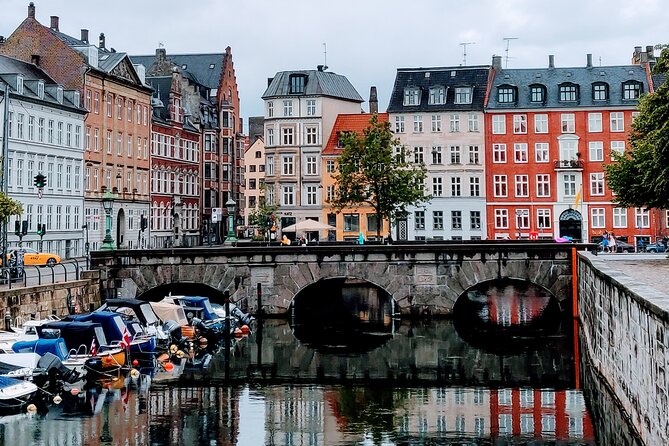
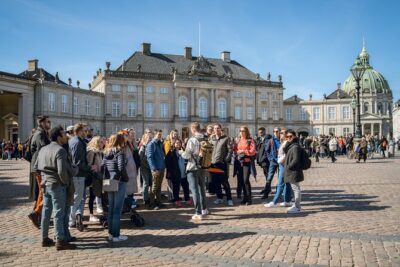
You’ll then pass Amalienborg Palace Museum. Again, you’ll see the building on the tour but you won’t enter. The value here is the atmosphere. Even from the outside, the royal square area feels different from the shopping and canal zones.
This section is where your brain starts to map the city as a set of layers. Copenhagen isn’t only about streets and sights, it’s also about institutions, ceremonies, and the way power is placed in public space.
One thing I’d keep in mind: if you want museum interiors, you should plan a separate visit on another day. This tour is built to be a quick overview, not a replacement for ticketed attractions.
Lur Blowers and the monument stop that breaks up the landmarks
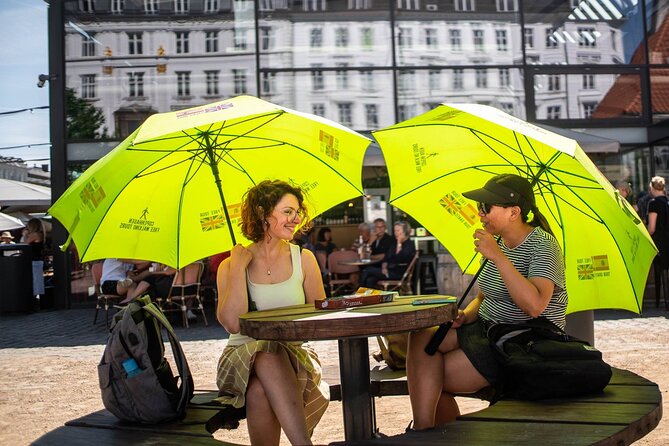
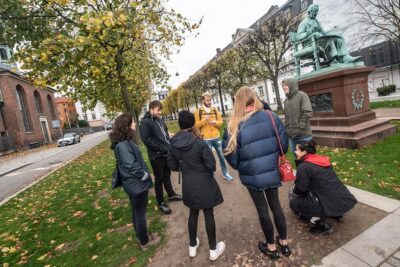
You’ll see the Lur Blowers monument on the tour. It’s a short stop, but it matters because it changes the pace. After big architecture, monuments give you a different kind of city learning. They also help you remember the route, because you’re not only watching buildings.
In a walk like this, variety is good. It reduces fatigue and keeps the guide’s commentary from turning into a single long stream. This is also the kind of stop where a good guide can connect the monument to the bigger Copenhagen story without you needing to enter anything.
Passing Copenhagen Free Walking Tours: why this stop matters
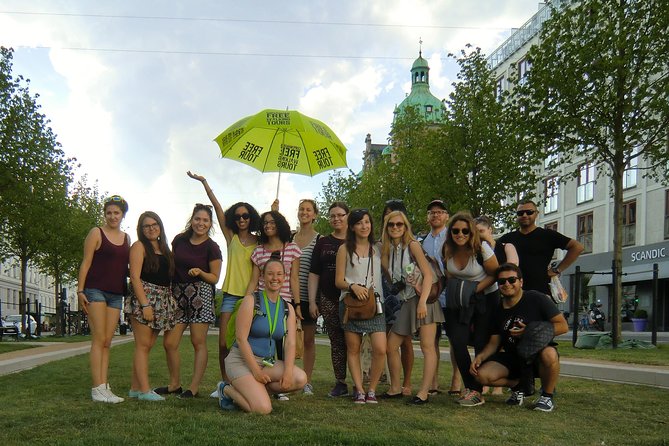
There’s a stop listed at Copenhagen Free Walking Tours, the company providing the walking tour. In plain terms, you’re walking by a known walking-tour presence in the area.
Why it matters for you: it signals this is a city-walk style operation, the kind that expects curious questions and lots of street-level interpretation. It also helps confirm you’re using a tour built around central pedestrian movement, not a complicated transit day.
Royal Danish Theatre Play House: architecture eye-candy without the ticket time
Next you’ll see the Royal Danish Theatre Play House building. You’ll view it on the tour but not enter. The exterior is still impressive, and it’s a helpful contrast to the royal and canal sights.
I like theater buildings because they remind you that Copenhagen isn’t only historic and royal. It’s also cultural, modern, and active. And since you’re outside, you can keep your schedule tight.
If you decide later that you want a performance, you’ll already feel oriented to where the theatre sits in the bigger walk.
Magasin du Nord: a department store stop that adds everyday context
You’ll also see Magasin du Nord on the tour, without entering. This sounds small, but it’s a smart way to avoid a tour that only hits museums and monuments.
Including a major retail landmark helps you understand the city as people experience it day to day. It’s a reminder that central Copenhagen is not just set dressing for visitors. It’s a working city, with shopping, commuting, and real routines happening alongside the famous scenes.
If your only exposure to Copenhagen is attractions, you might miss that everyday layer. This stop adds it back.
Christiansborg Slot: Denmark’s power center seen from the outside
Stop nine is Christiansborg Slot. You’ll see it on the tour but you won’t enter. Christiansborg is a name that carries political weight, so even exterior views help you feel the city’s governance presence.
This is another moment where not going inside is actually a strength. You still get a major landmark, but you keep the flow of the walk. By the time you reach this point, you’ve already built context with earlier stops, so the sight lands with more meaning.
Finishing at Amalienborg: closing the loop with the royal square
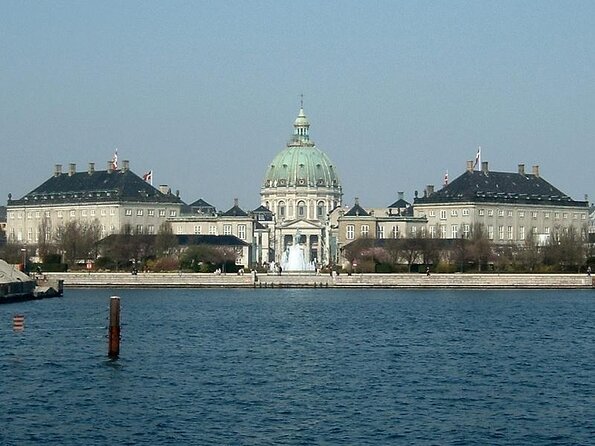
The tour ends at Amalienborg Palace on Amalienborg Slotsplads. Ending here gives your walk a natural climax. You’re finishing where the royal zone is unmistakable, which helps the entire route feel complete rather than chopped up.
If you want an easy next step after the tour, this is a good place to linger. Your feet have done the work already, and you’ve learned what to look for in the surrounding area.
It also helps that the tour is near public transportation. If you need to get moving quickly, you’re not stuck far from transit.
What the guide actually adds (beyond facts on a map)
The biggest praise in the feedback is consistent: guides bring humor, clarity, and real conversation. You’ll likely get stories tied to daily Danish life, not just dates and names. One guide, for example, connected ideas about Danish living and even tossed in a bit of dark humour. Another shared current events and sustainability themes, including initiatives aimed at net zero.
Those topics matter because they make the city feel like it’s moving, not frozen in postcards. And because this is private, you can steer the conversation. If you care about architecture, you can ask about styles. If you care about politics, you can ask about institutions and how the city uses public space.
I also appreciate that the pace can adapt. In one case, the guide was willing to stop for restroom needs and to pick up water for children. That’s not a small detail. A walking tour is only pleasant if you can manage basic comfort without feeling rushed.
If you book, I’d prepare two simple questions:
- What is the one thing I should not miss later this trip?
- What neighborhood feel should I seek next, if I have only half a day?
Price and logistics: value for small groups, great for families
The price is $342.13 per group, with a maximum group size of up to 15. That’s where the value comes from. If you’re traveling as a family or a small group, your cost per person can be low compared to paying for multiple separate guides. Even if your group is larger, the private format is still paying for one guide, one route plan, and one pace.
Duration is about three hours. That time frame matters because it’s enough to see the main sights without turning the day into a marathon. And since the route is mostly flat and central, it’s the kind of tour that many people find workable with kids.
The tour is offered in English and uses a mobile ticket. It also runs in all weather, so don’t dress like it’s a mild summer walk if the forecast says otherwise.
One thing you must plan on: food and drinks are not included. You’ll likely pass public places where you can buy water, but you’re responsible for your own snacks and drinks. I’d bring water anyway, especially if you’re traveling with kids.
Finally, departures are available at multiple times, which helps if you’re trying to line up your first day. This tour is also booked on average about 66 days in advance, so if you have fixed travel dates, don’t wait too long.
Who should book this Copenhagen private walking tour?
This is a great fit if:
- You want the main sights in a short, organized walk.
- You care more about orientation and stories than entering ticketed attractions.
- You’re traveling as a family and want pacing that can flex.
- You prefer a private group so you can ask questions without shouting across strangers.
- You want an English guide who can connect landmarks to daily life and current issues.
It’s probably less ideal if:
- You strongly prefer museum interiors and paid entry stops as a core part of the experience.
- Your group wants long photo sessions at each landmark, since the stops are short and the route stays efficient.
- You are expecting food included in the price.
If you’re unsure, think of it like this: the tour helps you build a mental map. Then you can decide what to enter later, at your own pace.
Should you book this private walking grand tour of Copenhagen?
Book it if you want a high-value, three-hour overview that keeps things comfortable and personal. The private format and the walkable route make it especially good for families and mixed-age groups, and the guide style you’ll likely encounter is built around conversation, humor, and practical city guidance.
I would skip it only if your top goal is inside-the-building sightseeing, because several major stops are exterior views only. If that matters to you, pair this tour with a separate ticketed visit on another day, after you’ve already learned where everything sits.
Bottom line: this is the kind of tour that helps you stop guessing. You’ll know where you are, what you’re seeing, and what to do next.
FAQ
How long is the private walking grand tour of Copenhagen?
The tour lasts about 3 hours.
What is the group size limit for this private tour?
It’s priced per group, with a maximum of up to 15 people.
Where does the tour start and end?
The tour starts at Rådhuspladsen, 1599 Copenhagen, Denmark, and ends at Amalienborg Palace, Amalienborg Slotsplads, 1257 København K, Denmark.
Is the tour offered in English?
Yes, it is offered in English.
What is included in the price?
A professional guide is included.
Are food and drinks included?
No, food and drinks are not included.
Is the tour affected by bad weather?
It operates in all weather conditions, so you should dress appropriately.
Can I cancel for a full refund?
Yes. You can cancel up to 24 hours in advance for a full refund.
Do I need an entry ticket for the listed stops?
The listed stops are marked as free, and the tour indicates you will not enter several buildings.
The latest around Copenhagen
- Copenhagen: Guided Tour of Vesterbro and Christianshavn★ 5.0 · 1 review
- Stevn Klint UNESCO Heritage Tour and Vikingborg Fort.★ 5.0 · 1 review
- Historical Pod Walk Tour on the Slaves of Copenhagen★ 5.0 · 1 review
- Copenhagen Old Town, Nyhavn, Canal Walking Tour & Christiana★ 5.0 · 1 review
- Queer Copenhagen Historical Tour★ 5.0 · 1 review
- Castle Island’s Royal History: A Self-Guided Audio Tour of Slotsholmen★ 5.0 · 1 review
Walking Tours, compared.
Politically Incorrect Private Highlights Walking Tour
Read our review →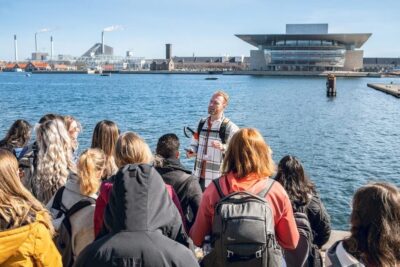
Group Walking Tour – City Highlights – 2 Hours
Read our review →
3h walking tour, small group max 10 people Copenhagen
Read our review →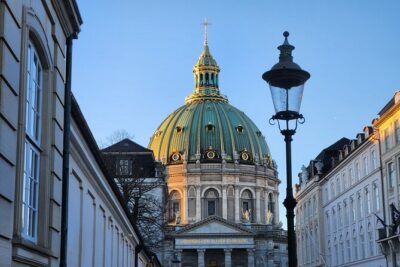
Walk & Canal Tour: Copenhagen Highlights + Changing of the Guards
Read our review →

Copenhagen Highlights: Small Group Walking Tour – Max 10 people
Read our review →Browse the lists this tour appears in