

Reviewed · CANAL & HARBOUR BOAT TRIPS
WWII Copenhagen Nyhavn and War Museum Private Walking Tour
Copenhagen has WWII scars you can walk to. I love how the guide connects Nyhavn to real occupation stories, and I also love that the longer option includes skip-the-line access to the Danish War Museum. The main drawback is simple: it is still a walking tour, with some sites outside the city center, so bring comfortable shoes.
This tour works because WWII in Denmark is complicated, with a lot of moving parts, and you get an expert guide who can explain it in plain language. You also choose your language upfront, so you can focus on the story instead of translating in your head.
You get to see tangible places, not just talking points, including the former headquarters linked to the Gestapo and the wartime harbor area around Nyholm. It is private, so you can pace it, ask questions, and stay engaged without feeling rushed.
In This Review
- Key Points You Should Know Before You Go
- Why WWII Stories Work Best on Foot in Copenhagen
- 2-Hour Walk: From King’s New Square to Nyhavn’s War-Time Echoes
- The best part of the 2-hour route
- The consideration
- 3.5-Hour Option: Christiansborg, the Royal Arsenal War Museum, Then Back to Nyhavn
- What the extra time buys you
- Gestapo Headquarters, Resistance, and Operation Carthage, What Your Guide Connects
- A practical tip for these story-heavy segments
- Guide Quality and Language Choices That Make It Actually Understandable
- Walking Pace, Shoes, and How the Private Format Helps You Keep Up
- Price and Value: Is $248 Per Person Worth It?
- Best Fit: Who Will Love This Tour, and Who Might Want Another
- Should You Book This WWII Copenhagen Tour?
- FAQ
- What is the difference between the 2-hour and 3.5-hour options?
- Where does the tour start for each option?
- Is skip-the-line access to the Danish War Museum included?
- What languages are available for the guide?
- Is the tour wheelchair accessible?
- Can I cancel for a full refund?
Key Points You Should Know Before You Go
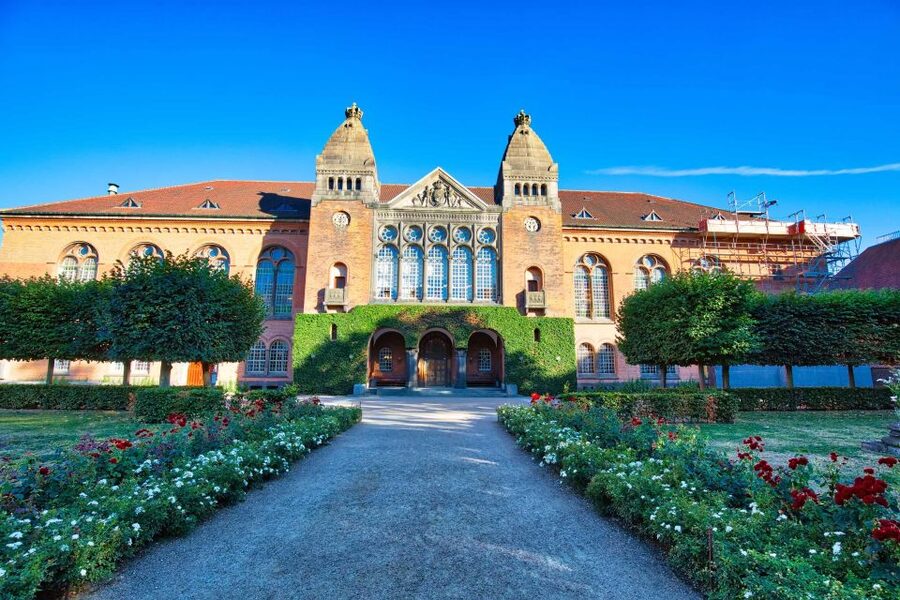
- Nyhavn and Nyholm on the waterfront: you walk the areas where wartime Denmark leaves physical clues in the landscape
- Gestapo headquarters plus Danish resistance stories: your guide ties buildings and events to what happened on the ground
- Operation Carthage coverage: you hear the little-known thread your guide connects to Danish wartime experience
- Danish War Museum option with skip-the-line: on the 3.5-hour tour, you save time at ticketing
- Choose your guide language: German, English, French, Italian, Spanish, or Danish for smoother listening
- Private group format: limited group size (1 to 23 per guide) keeps questions practical and the pace flexible
Why WWII Stories Work Best on Foot in Copenhagen
WWII in Denmark is one of those subjects where it helps to see the setting. Copenhagen can look like a postcard, but the city layout still points you to where power shifted, where people hid, and where consequences landed. On this tour, you are not trying to memorize dates. You are learning how Denmark’s experience fit into the broader war, using the city itself as your guide.
I like the focus on places that are close enough to feel real. The Old Town and harbor area are walkable, and your guide uses that “right here” approach to explain the German occupation, the underground Danish resistance, and the rescue of Danish Jews from the Holocaust. The key is that the guide doesn’t just list events, they connect them to what you’re seeing.
One smart detail is that the guide is fluent in your selected language. That matters for WWII content, because precision counts, and you will understand the nuance without slowing down every minute. You can also ask follow-up questions, which is useful if one topic makes you want context on something nearby.
More time on the canals and harbour:


2-Hour Walk: From King’s New Square to Nyhavn’s War-Time Echoes
If you choose the 2-hour option, your walk starts at King’s New Square. From there, you head toward the colorful harbor of Nyhavn, but with a different lens than most sightseeing routes. Nyhavn is famous for views, but here your guide treats it like a timeline. You’ll learn how the occupation era affected Danish society, not just how it affected governments.
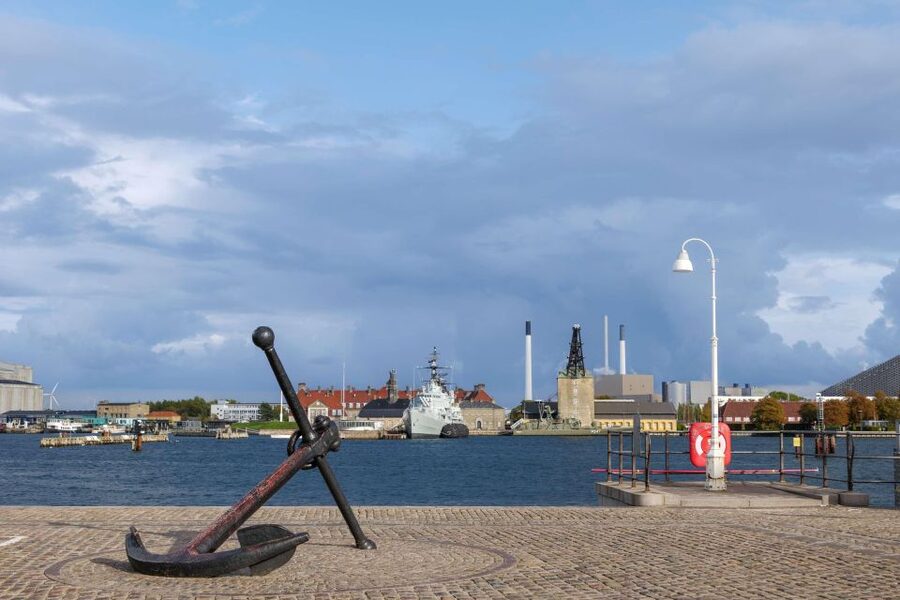
One of the first moments I think you’ll appreciate is the Memorial Anchor to Danish sailors who died at war. It’s the kind of marker people often glance past on a casual walk. With your guide’s framing, you understand what it represents and why it shows up in this area.
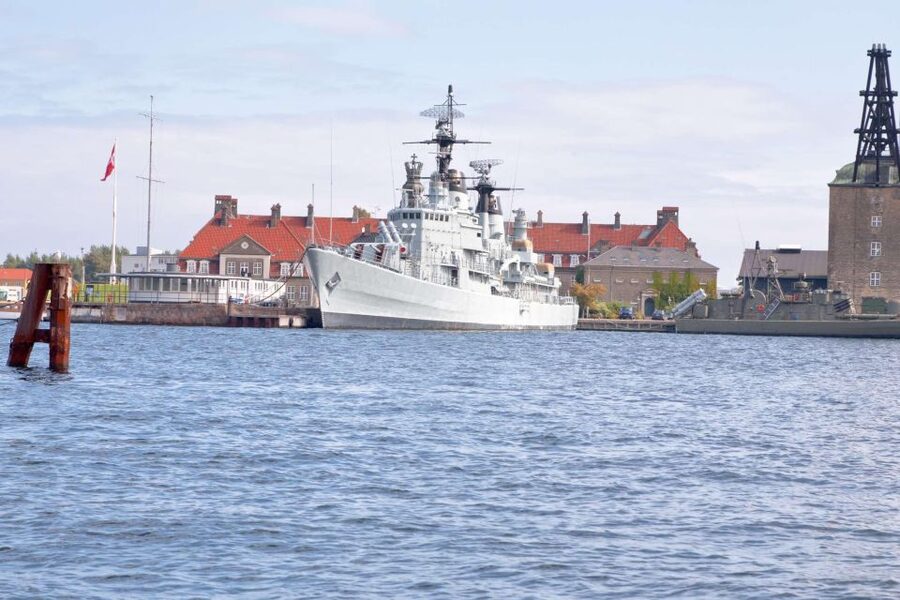
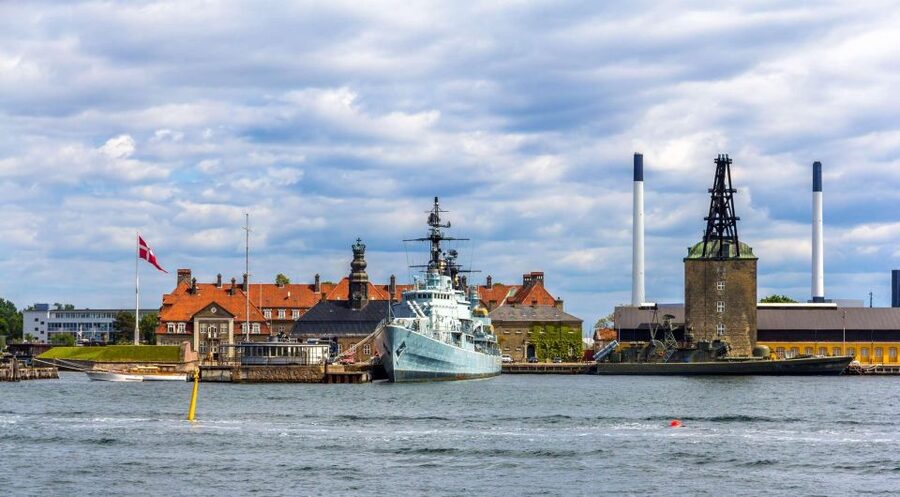
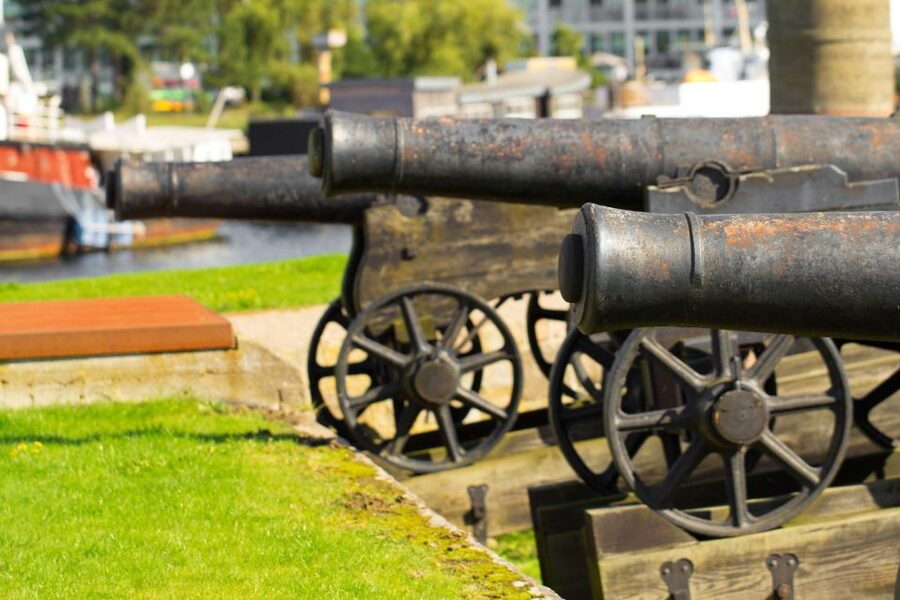
Next, you continue along the waterfront toward Nyholm, which is one of the islands of Holmen. This is where the mood shifts from “harbor scenery” to “military geography.” Nyholm was tied to the old navy base, and today you get a chance to see military remnants in a setting that still feels maritime and strategic.
Your guide will point out a historic submarine and warship in this zone, and you’ll learn that they now function as a floating cold war museum. That’s a subtle but important lesson: Copenhagen didn’t just stop being relevant after WWII. It kept role-playing as a strategic location through later decades, and this is visible in how these vessels are preserved and presented.
The best part of the 2-hour route
You get a concentrated sampler of WWII themes with a satisfying “walk it, see it” payoff. You are not spending time on long transfers, and the route stays focused on occupation-era reminders and naval context around Nyholm.
The consideration
Because it’s a short walk, you will have less time inside museums or for deeper context. If you want hands-on exhibits, the 3.5-hour option is the better match.
Even more walking tours in Copenhagen:
- Private Walking Grand Tour of Copenhagen
★ 5.0 · 3,953 reviews - Copenhagen Highlights Walking Tour
★ 5.0 · 2,324 reviews - Politically Incorrect Private Highlights Walking Tour
★ 5.0 · 1,244 reviews
3.5-Hour Option: Christiansborg, the Royal Arsenal War Museum, Then Back to Nyhavn
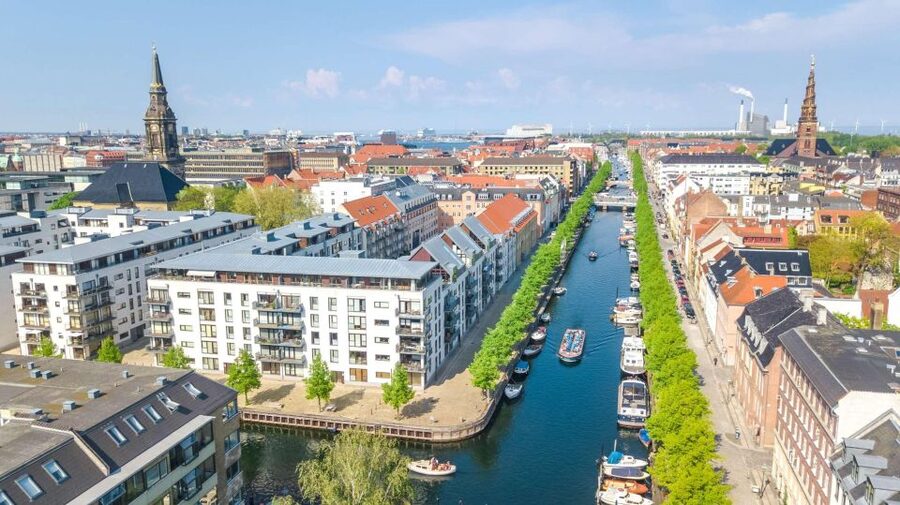
The 3.5-hour version is the one to pick if you want the city walking plus museum depth. It begins in front of Christiansborg Palace, the seat of Danish Parliament. Starting there is a smart choice, because it helps you understand that wartime events connected directly to Danish political life, not just military history.
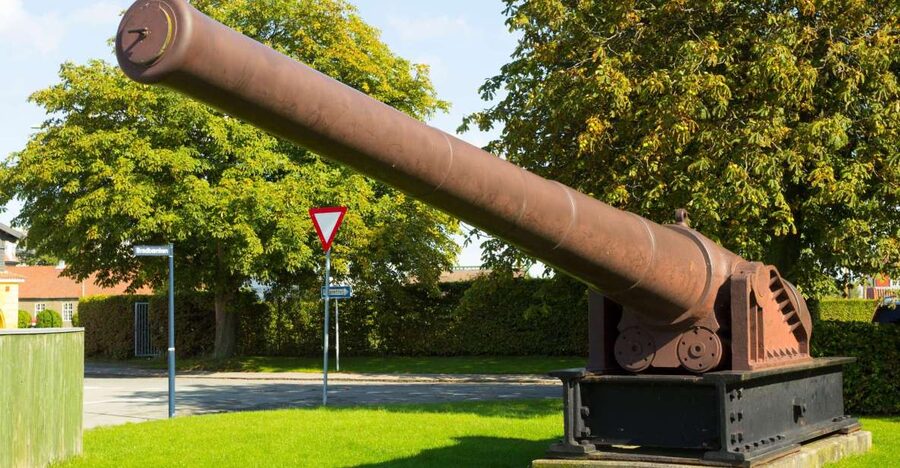
From Christiansborg, you visit the Royal Arsenal from the 1600s, where the War Museum is located. The Royal Arsenal setting itself gives you a “built for defense” feeling, and then the museum explains the military side of WWII in a more tangible way. You’ll see exhibitions on military history and a large weaponry collection.
This option also includes skip-the-line tickets to the Danish War Museum. That’s a real time-saver if the museum entrance is busy, but it’s worth knowing that even with skip-the-line access, you may still need to wait for ticket control and security checks at the entrance. In other words, you’re skipping the ticket office line, not the reality of museum security.
After the museum, you continue your walking tour through Nyhavn to Nyholm. That’s the genius of the longer format: you get your “in the room” context first, then you return to the streets and water where the stories started making sense. The waterfront becomes more than scenery. It becomes a working map for how WWII affected Danish life.
What the extra time buys you
You get a better balance between story and evidence. The museum adds artifacts and curated context, while the walking sections keep you grounded in Copenhagen’s geography. If you like to connect what you see in a display with what you later spot outside, this is the way to do it.
Gestapo Headquarters, Resistance, and Operation Carthage, What Your Guide Connects
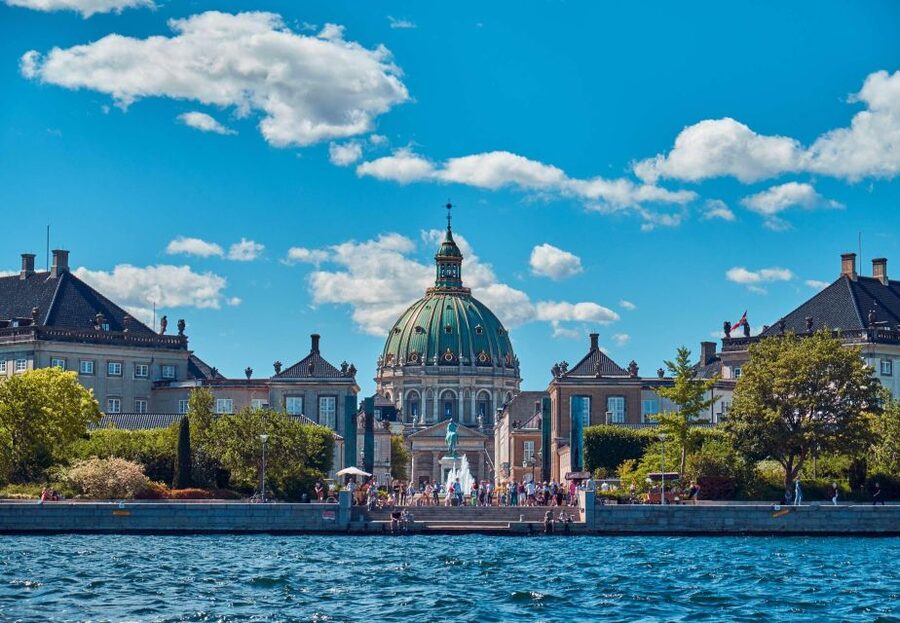
The highlights are clear that you’ll cover major wartime themes, including the German occupation of Denmark and the underground Danish resistance. You also hear stories tied to the former headquarters of the Gestapo and learn about Operation Carthage, plus the broader context around the rescue of Danish Jews from the Holocaust.
Here’s why I think this matters for you. In a city tour like this, it’s easy to treat “occupation history” as a set of grim facts. A strong guide does something else: they show how ordinary spaces turned into stages for power, fear, collaboration, and escape. When you hear those stories while standing in front of relevant sites, it sticks in a way that a museum placard alone can’t always do.
Your guide is also described as passionate and skilled, and the tour format is private, which makes Q and A feel natural instead of awkward. In my view, WWII tours succeed or fail based on interpretation, not the number of plaques. The best guides help you understand why people acted the way they did, and how Denmark’s path was shaped by pressure from outside and choices inside.
A practical tip for these story-heavy segments
If you start hearing a name, event, or organization you don’t fully grasp, ask right away. Don’t wait until the end. On this private tour you can, and it makes the rest of the walk easier to follow.
Guide Quality and Language Choices That Make It Actually Understandable
You have a lot of choices in Europe when it comes to guided tours, but language makes a difference you can feel with WWII content. This tour offers live tour guidance in German, English, French, Italian, Spanish, or Danish. That means you can keep up with names, locations, and the “why” behind events without turning your brain into a translation machine.
I also like that the guide is described as a good responder to questions, including ones that go slightly off the topic. That’s a small detail, but it’s exactly what you want. WWII stories often trigger related questions, like how certain events connect to what came before, or why certain areas mattered more than others.
Because it’s private, you’re not competing with a crowd for attention. The tour also limits group size to 1 to 23 guests per guide, which keeps things readable and question-friendly. If you’re the kind of person who asks, you will likely appreciate the room you get.
Walking Pace, Shoes, and How the Private Format Helps You Keep Up
This is a walking tour, and some sights are located outside the city center. That doesn’t mean it’s a “march,” but you should take it seriously enough to wear shoes you can walk in for hours. If your ankles or knees are touchy, you’ll be happier planning footwear that supports you well.
The good news is that the tour is tailored to your pace, needs, and interests. That’s not just marketing language. On a subject like WWII, you often want to pause and take in a location, then ask a question, then move on when your head is ready. Private formats let you do that.
You also have options: the 2-hour tour is tighter and more focused on harbor and memorial sites, while the 3.5-hour option adds the War Museum. If you’re unsure, think about what drains you more on a trip. For me, it’s usually “too much indoor time with not enough outside context.” This tour balances it, especially in the longer version.
Finally, it’s wheelchair accessible. That matters for planning, and it’s also a sign the operator has thought about how the walk can work for a broader range of visitors.
Price and Value: Is $248 Per Person Worth It?
At $248 per person, this is not a budget activity, so you should judge value by time, access, and how well the guide helps you learn. Here’s what you’re getting that supports the price.
First, it’s a private tour, with expert commentary and language support. WWII history isn’t just facts. It’s interpretation, and interpretation needs skill. A licensed guide fluent in your language is a meaningful “how you experience it” factor.
Second, the longer option includes skip-the-line tickets to the Danish War Museum. Skip-the-line access is valuable when you’d otherwise lose part of your precious half-day waiting at a ticket counter. Even so, you might still face entrance controls, but the reduction in friction is real.
Third, the tour saves you from the “where do I even start” problem. Copenhagen has a lot of history spread across neighborhoods, and WWII reminders can be easy to miss if you’re sightseeing on your own. This route strings together key themes with physical stops, including the harbor sites around Nyhavn and Nyholm and the museum visit in the Arsenal area.
If you’re the kind of traveler who reads a lot, you might feel the tour is “still too short” unless you choose the 3.5-hour option. If you’re more about guided storytelling and getting the big connections right, the 2-hour tour might hit the sweet spot.
Best Fit: Who Will Love This Tour, and Who Might Want Another

This tour is a great fit if you:
- Want WWII in Copenhagen with a guided explanation that connects places to events
- Prefer your learning in your native language (or at least your most comfortable language)
- Like walking routes that feel relevant, not just scenic
- Plan to pair city views with one strong museum stop (especially on the 3.5-hour option)
It might be less ideal if you:
- Want a purely museum-based experience with minimal walking (you can still do the museum option, but it’s combined with walking)
- Dislike guided storytelling and prefer to read independently at your own pace
That said, because it’s private and tailored, you can usually steer it slightly toward what you care about, within the bounds of the planned route.
Should You Book This WWII Copenhagen Tour?
I’d book it if you want WWII context that actually makes sense in Copenhagen’s real places. The combination of a private licensed guide, language options, and a route that links Nyhavn and Nyholm to occupation-era themes is exactly the kind of structured city learning that pays off fast.
If you’re choosing between the 2-hour and 3.5-hour versions, I’d lean toward the 3.5-hour option when you can, because the Danish War Museum visit adds concrete artifacts and a stronger historical foundation. But if your schedule is tight and you mainly want occupation and resistance stories tied to the waterfront, the 2-hour tour is still a solid, focused start.
FAQ
What is the difference between the 2-hour and 3.5-hour options?
The 2-hour tour focuses on a walking route through Copenhagen’s Old Town and Nyhavn, including waterfront sites around Nyholm. The 3.5-hour tour adds a visit to the Danish War Museum at the Royal Arsenal area and then continues walking through Nyhavn toward Nyholm.
Where does the tour start for each option?
For the 2-hour tour, the meeting point is King’s New Square. For the 3.5-hour tour, it starts in front of Christiansborg Palace.
Is skip-the-line access to the Danish War Museum included?
Skip-the-line tickets to the Danish War Museum are included only with the 3.5-hour tour. The 2-hour tour does not include skip-the-line tickets to the museum.
What languages are available for the guide?
The live guide is available in German, English, French, Italian, Spanish, and Danish.
Is the tour wheelchair accessible?
Yes, the tour is listed as wheelchair accessible.
Can I cancel for a full refund?
Yes. You can cancel up to 24 hours in advance for a full refund.
More Design and History Museums in Copenhagen
- Copenhagen: National Museum of Denmark Entry Ticket★ 4.5 · 960 reviews
- Exhibition – Home of Carlsberg★ 4.5 · 281 reviews
- Copenhagen: MACA Museum: Banksy & Street Art Entry Ticket★ 4.5 · 142 reviews
- Copenhagen: Danish War Museum Entry Ticket★ 4.7 · 106 reviews
The latest around Copenhagen
- Stevn Klint UNESCO Heritage Tour and Vikingborg Fort.★ 5.0 · 1 review
- Copenhagen: Guided Tour of Vesterbro and Christianshavn★ 5.0 · 1 review
- Historical Pod Walk Tour on the Slaves of Copenhagen★ 5.0 · 1 review
- Castle Island’s Royal History: A Self-Guided Audio Tour of Slotsholmen★ 5.0 · 1 review
- Copenhagen Old Town, Nyhavn, Canal Walking Tour & Christiana★ 5.0 · 1 review
- Queer Copenhagen Historical Tour★ 5.0 · 1 review
Canal & Harbour Boat Trips, compared.
Hop-On Hop-Off Bus Tour with Boat Tour Option
Read our review →
Copenhagen Sightseeing Classic Canal Tour With Live Guide
Read our review →
Social Sailing – Copenhagen Canal Tour – Captain’s Favorite
Read our review →
Walk & Canal Tour: Copenhagen Highlights + Changing of the Guards
Read our review →
Browse the lists this tour appears in