
Reviewed · SMORREBROD & PASTRY TASTINGS
The Art of Baking Danish Pastry
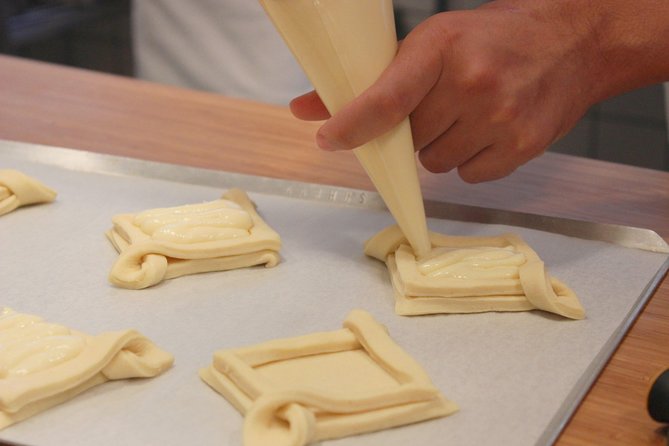
Danish pastry starts with serious folding. In a small class in Frederiksberg, you learn the techniques behind classic Danish pastries, then you bake several types and take the results home.
I love that it’s a morning session, so you get the full Copenhagen food high and still have the rest of the day free. The other big plus is the small group size, which keeps the coaching practical instead of rushed.
What I like most is the hands-on pace: kneading, rolling, and folding are taught in a way you can actually follow step by step. I also like that you get tea and coffee with the final tasting, plus the recipes get emailed afterward so you can recreate the pastries at home.
One consideration: you will likely end up with far more pastry than you can realistically eat the same day. Plan for sharing, giving away, or storing what you bake.
In This Review
- Key highlights to plan for
- A 9:00 am Danish pastry class that keeps your day wide open
- Where you meet in Frederiksberg, and how to not waste time
- Terrible French Pastry School: what the kitchen experience feels like
- Kneading, rolling, folding: the skills behind Danish pastry
- What you actually bake: kanelsnegle, spandauer, and frøsnapper
- Kanelsnegle, cinnamon rolls
- Spandauer, Danish pastry
- Frøsnapper, poppy and sesame twists
- Tea and coffee tasting: check your results before you pack them up
- Taking home your boxed haul, and how to plan for it
- Recipes emailed later: what you can bring home beyond the taste
- Price and value: what $117.23 buys you in real terms
- Best fit: who will enjoy this Danish pastry baking session
- Quick tips so your morning goes smoothly
- Should you book this Copenhagen Danish pastry class?
- FAQ
- Where is the class meeting point?
- Is it near public transportation?
- What time does the class start?
- How long is the baking class?
- What is the maximum group size?
- Is the class offered in English?
- What Danish pastries will I make?
- Are tea and coffee included?
- How will I get the recipes?
- Is this experience refundable or changeable?
Key highlights to plan for
- 9:00 am start gives you a head start and keeps your afternoon open
- Max 12 people so the chef can check your dough and technique
- Hands-on kneading, rolling, and folding instead of just watching
- Kanelsnegle, Spandauer, and Frøsnapper plus guidance on fillings and shape
- Tea, coffee, and tasting right after baking finishes
- Take-home pastries in generous quantities, often boxed
A 9:00 am Danish pastry class that keeps your day wide open
There’s something satisfying about starting Copenhagen early, especially when your reward is warm baked dough. This class begins at 9:00 am in the Frederiksberg area, so you’re done by late morning with an entire afternoon left to explore. It also means you’re not trying to squeeze a baking workshop into a packed sightseeing schedule.
The mood tends to be focused but friendly. You start with a demonstration from Chef Frederik Terrible, then you switch into hands-on work with his step-by-step guidance. That mix is a big part of why this style of class feels like progress, not just entertainment.
Because the group is capped at 12 travelers, you’re not stuck in a crowd watching someone else work. You get closer coaching during key steps, especially when the dough needs attention.
More smorrebrod and pastry stops:



Where you meet in Frederiksberg, and how to not waste time
You meet at Grundtvigsvej 10A, 1864 Frederiksberg, Denmark. The class ends back at the same meeting point. It’s also described as near public transportation, which matters in Copenhagen since the city is easy to navigate but not always easy to guess from a pin on a map.
Here’s the practical tip that saves time: one important detail is that the actual entrance can be on the other side of the street than what common mapping apps suggest. So when you arrive, don’t just stare at the address number, walk around the block lightly and look for the correct doorway.
If you’re coming by bus, you can expect an easy ride into the Frederiksberg area, then a short walk. If you’re arriving early, take a minute to locate the entrance before the class starts, so you’re not rushing once you’re inside.
Terrible French Pastry School: what the kitchen experience feels like
The workshop happens at Terrible French Pastry School. That name might sound playful, but the setup is serious about process. You’ll follow the chef’s demonstration, and then you’ll put the steps into your own hands.
You can also expect the class rhythm to be organized. Many people describe it as fast-paced but still easy to follow, with the chef checking on different participants as the session moves along. That combination matters because Danish pastry is technique-based. If you miss a key moment in rolling or folding, the layers and texture can shift.
Since the class is in English, you can focus on understanding the instructions instead of translating baking jargon in your head. That makes a real difference if you’re a beginner.
Kneading, rolling, folding: the skills behind Danish pastry
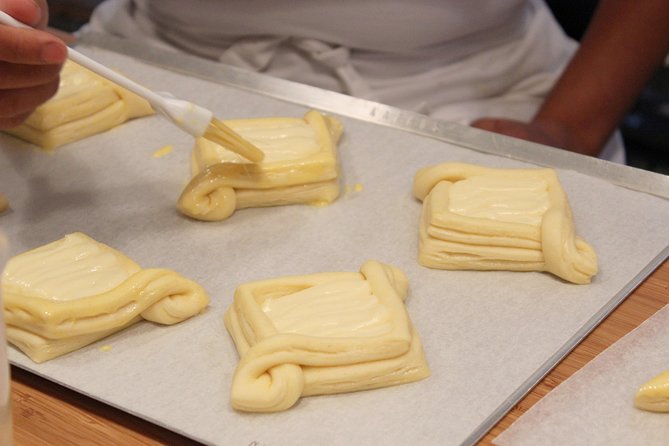
Before you start shaping finished pastries, you’ll work through the fundamental techniques: kneading, rolling, and folding the dough. Even if you’ve never baked before, this is the part that makes the class valuable, because it gives you a mental model for why the pastry turns out right.
Think of it like learning a choreography. Kneading is how you build structure in the dough, rolling controls thickness, and folding creates the layered effect that Danish pastry is famous for. The chef’s job is to show you what the dough should look and feel like at each stage, then help you adjust when yours behaves differently.
This is where the small group size really pays off. You get hands-on feedback when the dough needs a little extra attention or when you’re unsure about how to handle it. It’s not just lecture time.
Also, expect a bit of speed. The chef is described as clear and structured, but also someone who talks quickly. Your best move is simple: listen closely during the technique explanations, and ask questions right away if a step feels off.
Even more Things to Do in Copenhagen
- Copenhagen Card-Discover: 80+ Attractions & Public Transport
★ 4.6 · 5,351 reviews - Copenhagen: Hop-On Hop-Off Bus Tour with Boat Tour Option
★ 3.9 · 4,122 reviews - Private Walking Grand Tour of Copenhagen
★ 5.0 · 3,953 reviews
What you actually bake: kanelsnegle, spandauer, and frøsnapper
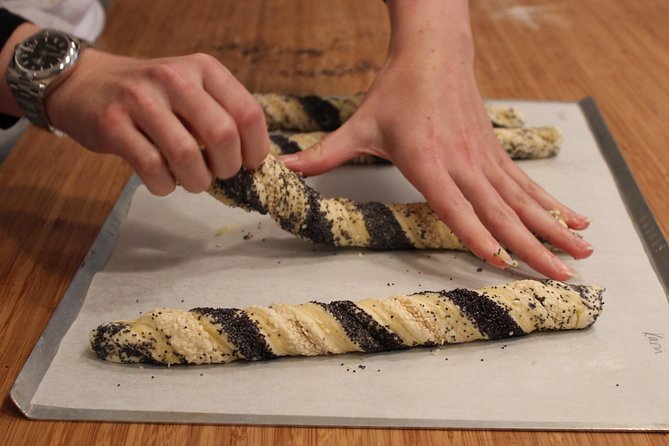
The class bakes multiple Danish pastry styles, so you don’t just make one cookie-cutter version. The sample menu includes three clear standouts:
Kanelsnegle, cinnamon rolls
Kanelsnegle are the classic cinnamon rolls that feel comforting and unmistakably Danish. Rolling and shaping matter here because you want even layers and a tight spiral. The chef’s coaching helps you manage the dough and keep the roll uniform.
If you love cinnamon and spice, this is usually the easiest way to get a feel for the dough style quickly. It also tends to be one of the first pastries people reach for after the tasting.
Spandauer, Danish pastry
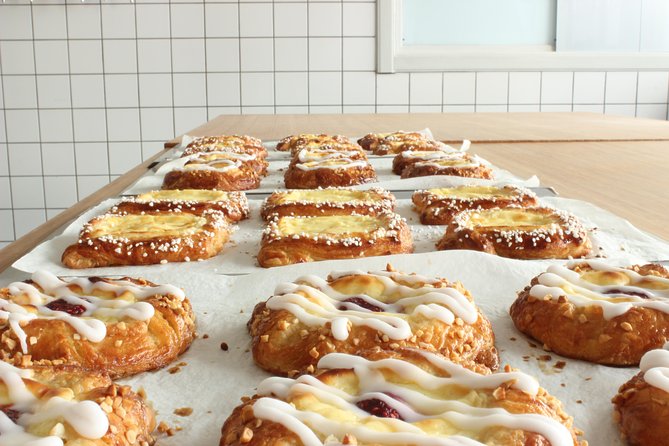
Spandauer are Danish pastries made with rich fillings and a more structured feel than a cinnamon roll. They’re a great choice for learning because they require careful shaping and attention to the final form.
This is often the pastry that makes you think, okay, I can actually make Danish pastry from scratch, not just follow a recipe. When you’re done, you’ll recognize the look of the pastry shops right away.
Frøsnapper, poppy and sesame twists
Frøsnapper are the poppy seed and sesame twists. One tip that shows up in the experience is the role of fillings and flavor combinations, with marzipan specifically mentioned alongside the poppy and sesame twist. If you like nutty-sweet flavors, this one often becomes a favorite.
In a small class, this type of pastry also becomes a social event. More than one person described a lively scramble for these twists when everything came out.
Tea and coffee tasting: check your results before you pack them up
After your pastries finish baking, you get tea and coffee and you can taste what you made. This is a smart part of the experience. You learn not only how to shape pastries, but also what the finished texture and flavor should be like when timing and technique line up.
It’s also a nice break in the middle of the lesson flow. Danish pastry work is hands-on and repetitive in the best way, and tasting gives you that immediate feedback loop that helps the rest of the class click.
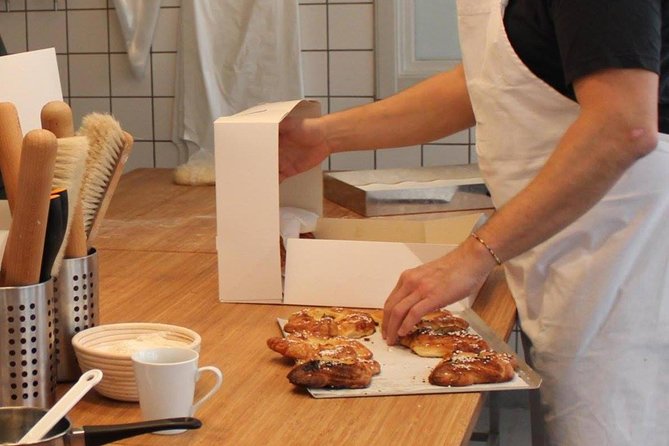
Then, the take-home portion happens. You leave with a lot of baked goods, often boxed. Several people emphasized that it’s normal to make more than you can eat right away. So if you’re flying soon, think about how you’ll store pastries before you pack them into your suitcase.
Taking home your boxed haul, and how to plan for it
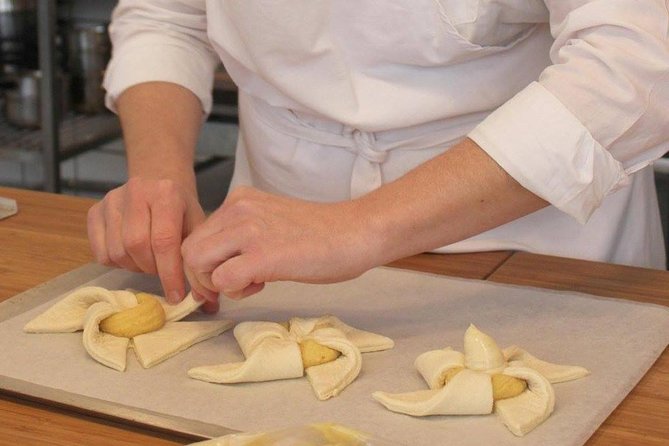
This class is built around results you can share. Many participants say they filled boxes with the pastries they created, often described as around a dozen pastries each.
That’s great if you want a food memory you can bring back to family and friends. It also helps with the value side of the price. You’re not just paying for instruction, you’re leaving with edible output.
But it does come with the one real planning issue: you need to decide what to do with the pastries right away. A few practical ideas:
- Eat a portion at the end of the class and bring a small amount with you
- Share with your hotel staff, friends, or whoever you’re traveling with
- Store carefully if you’re heading out for the afternoon
One small logistics detail matters if you’re in a hotel. If you’re planning to place pastries somewhere, do it the same day, and keep them protected. These pastries are best when fresh.
Recipes emailed later: what you can bring home beyond the taste

A standout feature is that the recipes used in the class get emailed to you afterward. That turns a one-off lesson into something you can practice again.
This is the part I think you should care about, especially if you’re the type who wants to bake at home. Without the recipes, you’d only remember the vibe. With the recipes in your inbox, you can rebuild your confidence and attempt the pastries again later.
And since you’ll already have touched the dough, you’re not starting from zero. You’ll remember the steps like folding and rolling, not just the ingredient list.
Price and value: what $117.23 buys you in real terms
At $117.23 per person, you’re paying for more than a cooking demo. You’re paying for:
- 3 hours and 30 minutes of hands-on instruction
- A professional chef guiding your kneading, rolling, and folding
- Multiple styles of Danish pastry, not just one
- Tea and coffee during the class
- The final pastries you can taste and take home
- Recipes emailed afterward
If you break it down by time, it’s an experience-priced workshop, not a quick snack activity. The value comes from the fact you leave with a lot of tangible results and the skill to repeat at home later.
Also, because the class is small, the chef’s attention is spread across fewer people. That usually improves the learning outcome, which is part of why the class earns such a high recommendation rate.
Best fit: who will enjoy this Danish pastry baking session
This is a strong match for food lovers who want something more hands-on than a tasting. It also works well if you’re a beginner, because the class is designed around step-by-step technique plus ongoing help.
It’s also a nice couples activity. The shared work, the flour dust, and the taste at the end create a natural team vibe. If you’re traveling with family and your group can handle hands-on baking work, it can be a fun bonding experience too.
If you hate messy activities or you prefer to just watch, this might feel too active. But if you like cooking, rolling dough, and learning how things actually work, you’ll enjoy it.
Quick tips so your morning goes smoothly
These are the small things that help your experience feel easy:
- Arrive a few minutes early so you can find the correct entrance at Grundtvigsvej 10A
- Listen closely during technique instructions, especially if the chef speaks quickly
- Bring a plan for the boxed pastries afterward, since you will likely take home a lot
- Consider booking early since this class is commonly reserved well in advance
Should you book this Copenhagen Danish pastry class?
Yes, I’d book it if you want a morning activity that turns into real food in your hands. The best reason is the combo of hands-on baking, multiple Danish pastry types, and a take-home box situation that makes it feel like a proper Copenhagen souvenir.
I’d skip it only if you are short on storage time, hate mess, or simply want to taste Danish pastry without baking. If you can handle the fact that you’ll leave with a big baked haul, this is the kind of class that gives you an experience you can repeat, not just remember.
FAQ
Where is the class meeting point?
The class meets at Grundtvigsvej 10A, 1864 Frederiksberg, Denmark.
Is it near public transportation?
Yes, it is described as near public transportation.
What time does the class start?
The session starts at 9:00 am.
How long is the baking class?
It lasts about 3 hours 30 minutes.
What is the maximum group size?
The class has a maximum of 12 travelers.
Is the class offered in English?
Yes, it is offered in English.
What Danish pastries will I make?
You will make cinnamon rolls (kanelsnegle), Danish pastry (Spandauer), and poppy seed and sesame seed twists (Frøsnapper).
Are tea and coffee included?
Yes, tea and coffee are served after your pastries finish baking.
How will I get the recipes?
The recipes used in the class will be emailed to you after the workshop.
Is this experience refundable or changeable?
No. It is non-refundable and cannot be changed for any reason. If the experience is canceled because the minimum number of travelers was not met, you will be offered a different date or a full refund.
The latest around Copenhagen
- Copenhagen: Guided Tour of Vesterbro and Christianshavn★ 5.0 · 1 review
- Stevn Klint UNESCO Heritage Tour and Vikingborg Fort.★ 5.0 · 1 review
- Historical Pod Walk Tour on the Slaves of Copenhagen★ 5.0 · 1 review
- Castle Island’s Royal History: A Self-Guided Audio Tour of Slotsholmen★ 5.0 · 1 review
- Copenhagen Old Town, Nyhavn, Canal Walking Tour & Christiana★ 5.0 · 1 review
- Queer Copenhagen Historical Tour★ 5.0 · 1 review
Smorrebrod & Pastry Tastings, compared.

Copenhagen Culinary Food Tour with 6+ Tastings of Danish Classics
Read our review →
Copenhagen’s oldest and original food tour (Est. 2011).
Read our review →


Politically Incorrect Beer Tasting Walking Tour
Read our review →
Copenhagen Food & Drink Private Tour: Scandinavia Delight Tasting
Read our review →
Browse the lists this tour appears in