
Reviewed · CITY TOURS
Odense: City walk – The new green Odense – City development
Odense changes fast, and this walk explains why. I like the clear stories of urban transformation and the insider details you will not get from a standard sightseeing loop. One thing to consider: this is not a classic top-10 sights tour, so if you only want big landmarks, you may feel slightly out of your comfort zone.
The route is built like a conversation between old Odense and the city’s new direction. You start at Overgade 3, on a pedestrian street or mall near a small ruin, and you meet the guide with a KnowledgeWalks sign. Expect a small group and a 2-hour format with guided stops that add up to about a 4 km walk.
I also appreciate how the guide connects city planning to real Danish life. In German, the experience has been led by Jørn Asmussen, praised for strong language skills and easy back-and-forth questions. In English, Johan has shown up in the same role, with the same focus on how neighborhoods change when the city decides to go green.
In This Review
- Key highlights you should care about
- Why Odense’s green plan makes more sense on foot
- Price and value: why 31 dollars buys more than a brochure
- Meeting at Overgade 3 and the 4 km rhythm you can handle
- Albani Torv: starting in the old part of town
- Donkey Republic: seeing green mobility in real life
- Port of Odense: the harbor as the transformation symbol
- Storms Pakhus and Odense Street Food: repurposed industrial spaces
- H.C. Andersen Haven: creativity, identity, and housing goals
- The loop back to Overgade 3 and the big street that is gone
- Danish education, daily life, and the economy, stitched into the walk
- Guide style in German and English, and why small groups matter
- Practical tips so the tour lands for you
- Should you book this Odense green city walk?
- FAQ
- Where is the meeting point for the Odense city walk?
- How long is the tour?
- How much walking is involved?
- What stops are included on the route?
- What languages are offered?
- Is this a small-group tour?
- What is the main focus of the walking tour?
- Is it a round trip?
- Can I cancel and get a refund?
- Is reserve now, pay later available?
Key highlights you should care about
- Urban development made practical, from industrial land to a green city plan
- Harbor viewpoints and new districts, explained as a symbol of modern Odense
- Small-group Q and A, with time to ask real questions
- Repurposed spaces, like warehouse culture near Storms Pakhus and Street Food
- Everyday mobility clues, including the Donkey Republic bike setup
- Local context beyond buildings, including education, daily life, and the economy
Why Odense’s green plan makes more sense on foot
Odense has a reputation for being calm and livable. This walk gives you the second half of the story, the part where planning choices show up in streets, housing, and public space. Instead of treating the city like a postcard, you learn how it became a place that wants to be green, innovative, and affordable, especially for younger people who want to live in the center.
What makes this outing special is the way the guide keeps connecting the dots. You are not only hearing that Odense is changing. You are seeing how the city rethinks mobility, housing, and infrastructure as one system. Even if you are not a policy nerd, the explanations land because they are tied to places you can stand in and look at.
This is also a great antidote to cruise-ship logic, where you sprint from one photo spot to another. Here you slow down and notice why things are the way they are, even when the changes are not obvious at first glance.
Even more walking tours in Denmark:
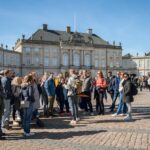
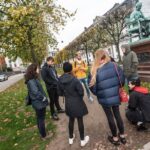
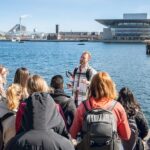
Price and value: why 31 dollars buys more than a brochure
At about $31 per person for a 2-hour small-group walk, this is priced like a typical guided city experience. The value comes from the subject matter. Most tours in Europe give you facts and highlights. This one gives you frameworks: how a city shifts from older industrial roots to a newer identity focused on green development and creativity.
You also get something hard to manufacture on your own. The guide brings insider context, including comparisons between earlier layouts and the present-day city. One participant noted that the walk included photos from earlier times, which is exactly the kind of material that turns buildings into meaning.
And because it is a small group, your questions do not get lost in a crowd. If you care about how Danish decisions translate into daily life, that interactive element matters. A cheap tour that is mostly talking at you can be forgettable. This one is designed to make you think and ask.
Meeting at Overgade 3 and the 4 km rhythm you can handle
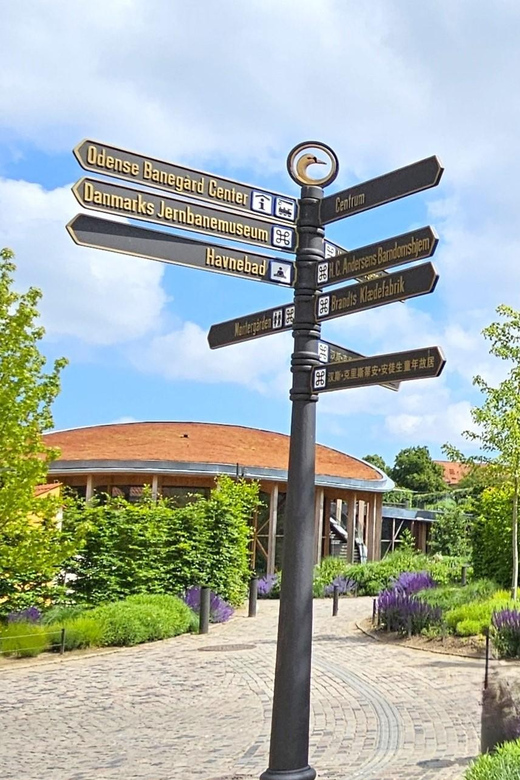
You meet at Overgade 3 in the pedestrian area, near a small ruin. The guide carries a sign that says KnowledgeWalks, and the area is small enough that you should spot each other without drama.
The walk itself is gentle, about 4 km total, roughly 5,500 steps. If you can walk through a city center without getting sore, you will be fine. The pace is not slow, but it is also not a forced march. You stop often enough that the 2 hours feel like guided conversation plus strolling.
One practical tip: wear comfortable shoes. You will be on sidewalks and along city paths. This is not a museum visit where you can sit whenever you want.
Albani Torv: starting in the old part of town
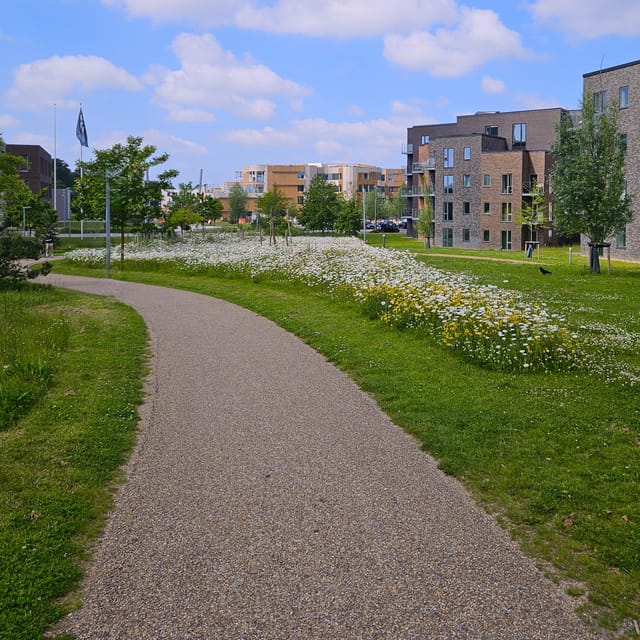
Your first guided stop is Albani Torv, and this matters more than it sounds. By beginning in the older city fabric, the guide sets up the main contrast: what Odense used to be versus what it aims to become.
Albani Torv gives you a baseline. You can look at how the street layout and public space feel in the older core, then later compare that with the harbor area and the transformed zones. The guide uses this start point to frame the tour as a story of change, not a set of unrelated stops.
If you are the kind of traveler who likes to understand a city’s logic, you will enjoy this framing. If you are only chasing landmark density, you might initially wonder where the wow moments are. Stick with it. The later stops explain the early setup.
More of Denmark covered in one go:
- City Sightseeing Copenhagen Hop-On Hop-Off Bus Tour
★ 3.5 · 800 reviews - 3-hour Copenhagen City Highlights Bike Tour
★ 5.0 · 757 reviews - Copenhagen: City Sightseeing Hop-On Hop-Off Bus Tour
★ 4.3 · 709 reviews
Donkey Republic: seeing green mobility in real life
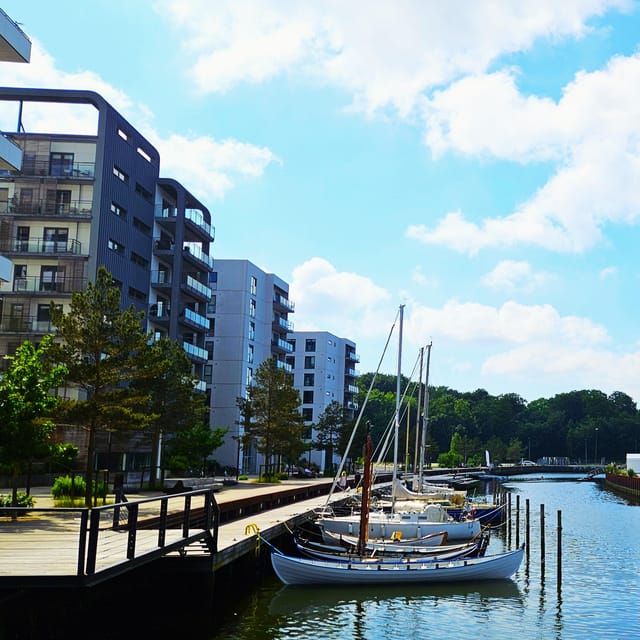
Next up is Donkey Republic, which might sound like a random stop until you realize what it represents. A bike system is not just transportation. It is a planning choice about how the city expects people to move through neighborhoods.
This is where the tour connects infrastructure to daily behavior. The guide can point out why cycling matters in a green city plan, how mobility supports short trips, and how infrastructure decisions change the feel of everyday life.
Also, bike share stops are a low-friction way to think about sustainability. You can see the physical setup right there, instead of imagining it. Even if you never rent a bike, you still learn what the city is betting on.
Port of Odense: the harbor as the transformation symbol
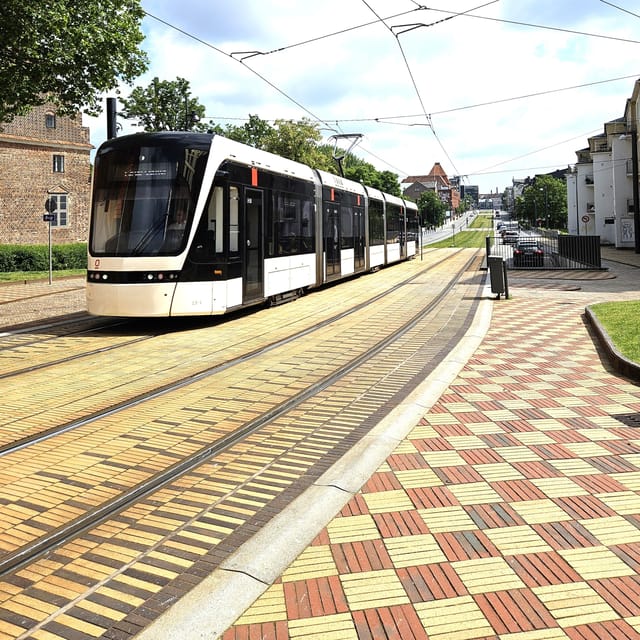
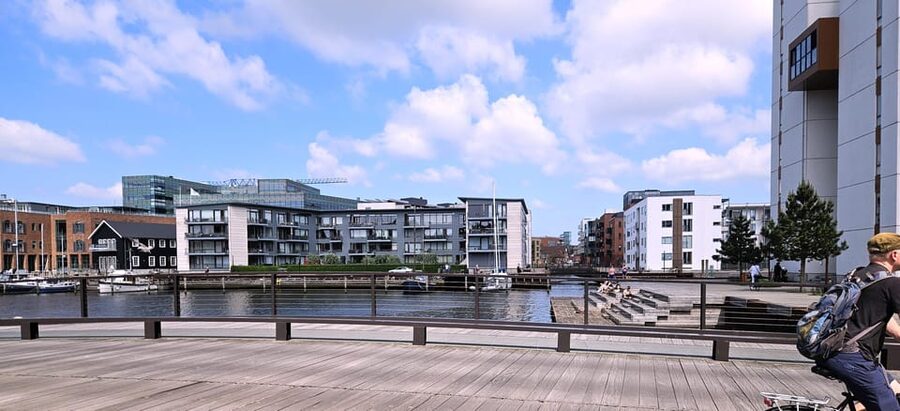
Then you hit the Port of Odense, and this is the heart of the modern story. In many cities, the harbor is where the old economic engine used to run. In Odense, it has become a symbol of the modern transformation underway.
The guide treats this zone like a turning point. You will hear how the city’s shift away from industrial patterns shows up along the waterfront and in the surrounding districts. You also start learning how the “green city” goal is not just about parks or slogans. It is about reusing land, redesigning connections, and reshaping what future growth looks like.
If you like architecture and urban form, you will appreciate that the guide points out relationships, not just individual sights. You learn how the harbor’s role in the city’s economy is tied to the new identity being built around it.
Storms Pakhus and Odense Street Food: repurposed industrial spaces
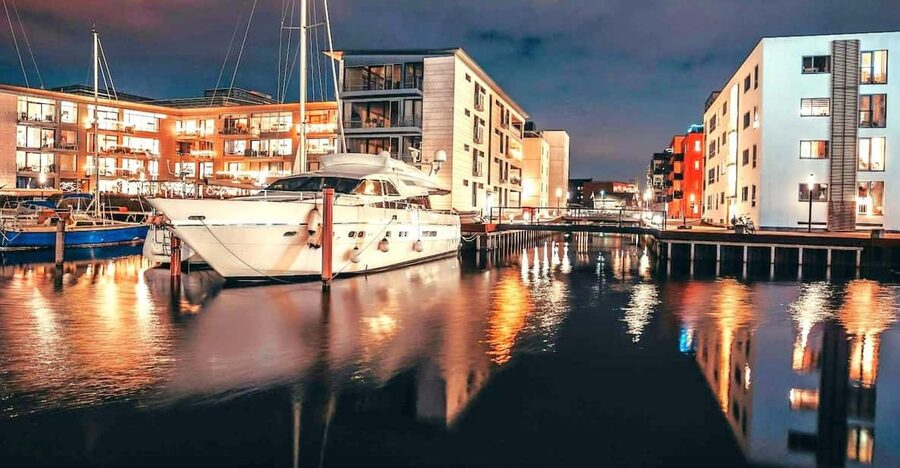
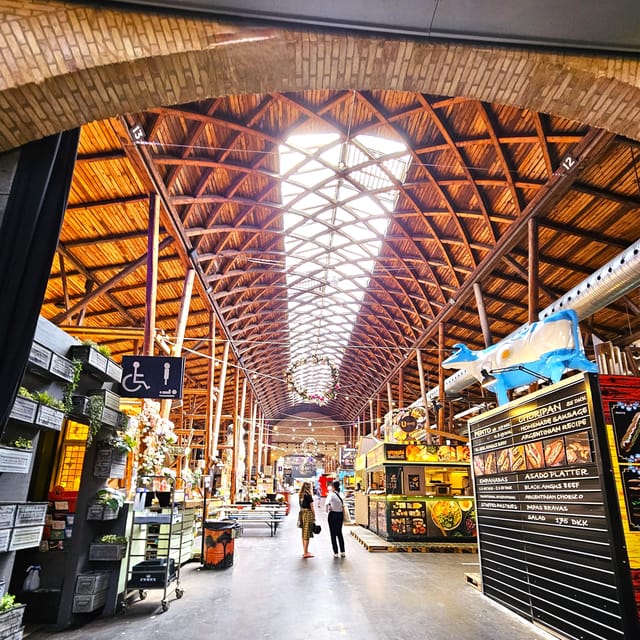
At Storms Pakhus, you get a shorter stop, about 15 minutes, and it is used well. This is a place where repurposing is part of the point. Instead of treating industrial remains as relics, the city mindset here leans toward using existing structures for present-day life.
The nearby Odense Street Food angle helps bring it back to normal people. It is easy to talk about sustainability in abstract terms. Food and everyday hangouts make the concept tangible. You can see how a waterfront or former industrial zone can become a social area, not a closed-off worksite.
The only drawback here is time. With just 15 minutes, you will get key context but you will not have time to linger long. If you want snacks, plan to come back later and add your own unhurried stop.
H.C. Andersen Haven: creativity, identity, and housing goals
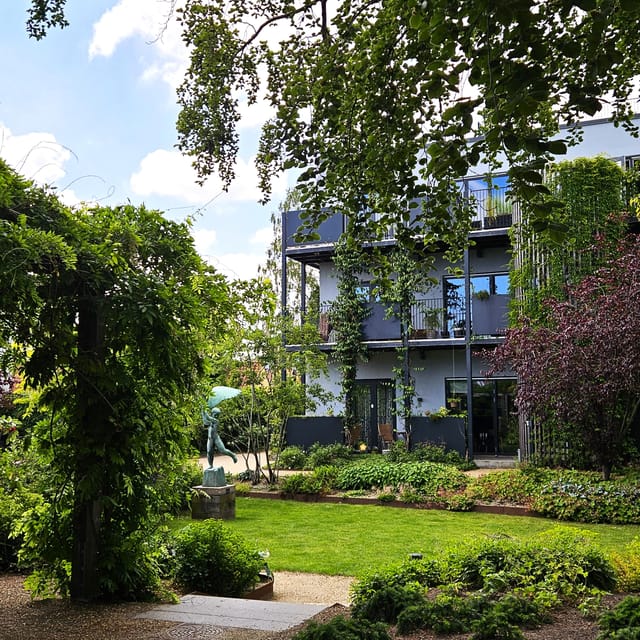
The next stop is H.C. Andersen Haven, also guided for about 15 minutes. This part of the walk connects Odense’s creativity identity with the city’s practical goals, including housing.
The tour theme is not only greenery. It is also innovative creativity and the idea that young people should be able to find affordable housing in the city center. Places like this help you connect those policies to the experience of living in Odense.
H.C. Andersen Haven also gives you a chance to look at the city’s relationship with its name. Creative identity is not just branding. It influences what public space is for, how people gather, and what the city chooses to highlight.
If you want to leave with a “so what” feeling, this is where it comes together. The guide helps you understand why creative districts and green planning often walk hand-in-hand.
The loop back to Overgade 3 and the big street that is gone
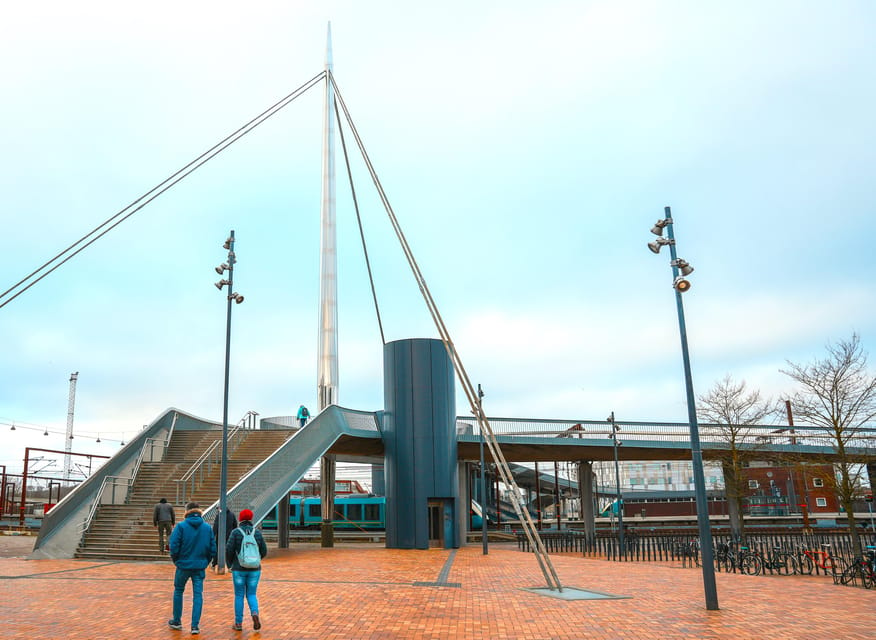
The walk is a round trip. You return to Overgade 3, and the final stretch is where the contrast becomes most dramatic.
The guide explains a key transformation: a completed urban area now sits where, not long ago, a six-lane main thoroughfare ran right through the city center. That kind of change is huge. It is the difference between a city that splits itself with traffic and a city that tries to knit neighborhoods together.
This is one of those “you have to hear it to see it” moments. From the outside, the street pattern might look normal today. But once you understand that you are standing where multiple lanes used to dominate, you start reading the city differently.
If you like urban planning stories that feel concrete, this ending gives you that payoff.
Danish education, daily life, and the economy, stitched into the walk
One of the most praised parts of this experience is that it does not stay trapped in street-level details. The guide talks about the Danish education system, daily life in the city, infrastructure, and the economy.
Why does that matter? Because urban development is never only about buildings. It is about who the city is trying to serve, how it invests in people, and how it supports economic life.
If you are traveling with kids, this is especially interesting, since you get context for how Denmark thinks about schooling and the broader social structure that supports day-to-day routines. If you are visiting as a culture traveler, it adds depth to what you see. You start to understand how a city can be green and orderly, but also practical and affordable.
And yes, sometimes the guide adds extra context when the conversation goes that way. One participant noted a brief detour about the lifestyle of Greenlanders. That kind of tangent is not random. It reflects how Danish society connects to broader parts of the Kingdom.
Guide style in German and English, and why small groups matter
This walk runs with a live guide in German or English, and the group is kept small. You should expect a friendly, interactive atmosphere where questions are welcomed.
Jørn Asmussen has been specifically praised for German clarity and the ability to explain why Odense’s path has been positive. In English, Johan has been noted for friendliness and for engaging conversation that makes the 2 hours fly by.
The real value here is not just language. It is the way the guide uses examples and photo comparisons to show “then versus now.” When a guide explains what you are looking at and why it changed, you remember the city, not just the route.
Practical tips so the tour lands for you
A few things help you get the most out of this type of city walk.
Wear shoes built for 4 km. Bring water, especially if the weather is warm. Use the opportunity to ask one question you genuinely care about, like how a green city plan affects housing or what infrastructure decisions do to daily life.
Also, come in with a small mindset shift. Instead of asking, what is the next photo spot, ask, why did the city choose this direction?
If you like architecture, urban planning, and policy tied to real streets, you will feel at home. If your travel style is museums-only, you may want a more conventional tour on another day.
Should you book this Odense green city walk?
Book it if you want Odense beyond surface sightseeing, and especially if you care about how cities reinvent themselves. This tour is a smart choice for travelers who enjoy questions, like the idea of seeing a harbor transformation, and want to understand how infrastructure, education, and the economy influence the places where people live.
Skip it if you are only chasing classic landmarks and you do not want to spend time on urban development topics. With a 2-hour structure and a 4 km walk, it is not long enough to cover everything, and its focus is intentionally specific.
If you want one guided experience that helps you read the city like a local, this is a solid bet.
FAQ
Where is the meeting point for the Odense city walk?
You meet at Overgade 3, 5000 Odense, Denmark, in the pedestrian street or mall area near a small ruin. The guide carries a sign that says KnowledgeWalks.
How long is the tour?
The tour lasts 2 hours.
How much walking is involved?
The tour includes walking about 4 km, which is roughly 5,500 steps.
What stops are included on the route?
Key stops include Albani Torv, Donkey Republic, the Port of Odense, Storms Pakhus (with Odense Street Food), and H.C. Andersen Haven, before returning to Overgade 3.
What languages are offered?
The live guide speaks German and English.
Is this a small-group tour?
Yes, it is offered as a small group.
What is the main focus of the walking tour?
The tour focuses on urban development and Odense’s transformation from an industrial city to a green city aimed at innovation, creativity, and affordable housing for young people in the city center.
Is it a round trip?
Yes, the tour starts and ends at Overgade 3, completing a round trip.
Can I cancel and get a refund?
Yes. Free cancellation is available up to 24 hours in advance for a full refund.
Is reserve now, pay later available?
Yes. You can reserve your spot and pay later to keep your plans flexible.
The latest around Denmark
- Copenhagen: Guided Tour of Vesterbro and Christianshavn★ 5.0 · 1 review
- Stevn Klint UNESCO Heritage Tour and Vikingborg Fort.★ 5.0 · 1 review
- Odense Craft BeerWalk★ 5.0 · 1 review
- Historical Pod Walk Tour on the Slaves of Copenhagen★ 5.0 · 1 review
- Castle Island’s Royal History: A Self-Guided Audio Tour of Slotsholmen★ 5.0 · 1 review
- Copenhagen Old Town, Nyhavn, Canal Walking Tour & Christiana★ 5.0 · 1 review
City Tours, compared.
Group Walking Tour – City Highlights – 2 Hours
Read our review →
City Sightseeing Copenhagen Hop-On Hop-Off Bus Tour
Read our review →
City Card with 40+ Attractions & Hop-On/Off Bus
Read our review →
Browse the lists this tour appears in