
Reviewed · WALKING TOURS
Nørrebro Walking Tour – The World’s Coolest Neighborhood
The best way to understand Nørrebro is on foot. This 3-hour walk threads together community spaces, bold street art, and everyday streets, from Dronning Louises Bro to a laid-back end at Friheden. I love how the guides, including Michael plus guides Andreas and Otto, bring the neighborhood’s Danish lifestyle to life with practical context, not just dates.
Two things I especially like are the strong local perspective and the mix of places that tell different parts of the same story, from Folkets Park and Folkets Hus to Assistens Cemetery. One thing to consider first: this is a walking tour with a moderate fitness level requirement, so it is not the best pick if you want minimal movement.
In This Review
- Key points before you go
- Nørrebro on foot: what makes this walk worth the time
- Price and logistics that matter for planning
- Getting oriented at Dronning Louises Bro and Blågårdsgade
- Folkets Park and Folkets Hus: where local rights stories have roots
- Kapelvej 44: a cultural house where art meets activism
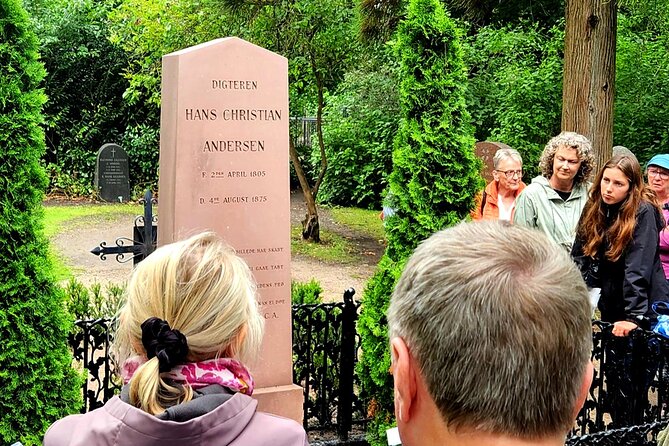
- Assistens Cemetery: a pause with H.C. Andersen and Søren Kierkegaard
- Jaegersborggade and Stefansgade: where you eat, shop, and watch real life
- Friheden at Nørrebroparken: the calm finish that feels genuinely local
- Who should book this Nørrebro walking tour
- Should you book the Nørrebro Walking Tour?
- FAQ
- How long is the Nørrebro Walking Tour?
- How much does it cost per person?
- Where do I meet and where does the tour end?
- Is the tour offered in English?
- What group size should I expect?
- What is the cancellation policy?
Key points before you go
- Small group size (max 12) keeps the talk practical and personal
- English tour with a mobile ticket, so you can focus on the streets instead of logistics
- Community-led sites like Folkets Park, Folkets Hus, and Kapelvej 44 show how local action shapes Denmark
- Culture plus food streets on Jaegersborggade and Stefansgade, for a realistic sense of daily life
- Assistens Cemetery adds a thoughtful pause with names you already know, H.C. Andersen and Søren Kierkegaard
Nørrebro on foot: what makes this walk worth the time
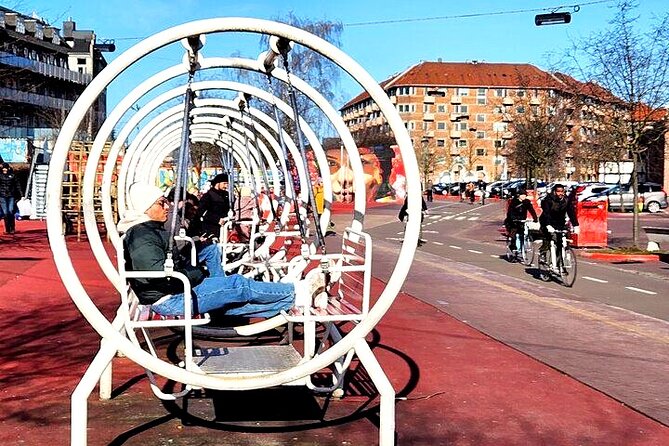
Nørrebro can feel like Copenhagen’s offbeat sibling, and this tour leans into that. You move through streets where people bike, talk, shop, and create, then you stop at places where community organizing and art have real weight.
What works here is the balance. You get lively neighborhood texture, but you also get the “why” behind certain landmarks. That combination is what turns a simple walk into something you can actually carry with you after you leave.
Even more walking tours in Copenhagen:

Price and logistics that matter for planning
At $80.98 per person, you are paying for a guided route that packs a lot into about 3 hours. For Copenhagen, that can still be good value if you like context and want a tight plan, especially since the average booking time is 79 days in advance. In plain terms, this one is popular, so don’t wait until the last minute.
It is offered in English, uses a mobile ticket, and the group stays small (up to 12). You can also take comfort that service animals are allowed and it is near public transportation, which makes it easier to plug into a day already packed with museums and canals.
Practical note: the tour is outdoors and involves walking time at multiple stops. Bring the shoes you actually want to wear for a few hours, and dress in layers since Copenhagen weather loves to change its mind.
Getting oriented at Dronning Louises Bro and Blågårdsgade
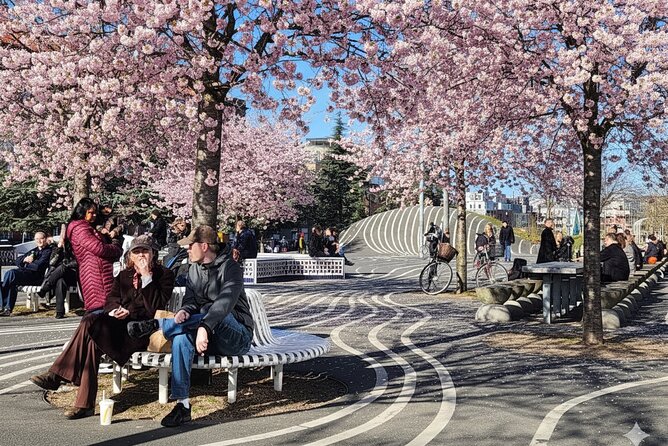
You start at Dronning Louises Bro, a classic Copenhagen meeting point. It is one of those places where you can feel the city’s rhythm immediately: cyclists flowing through, street artists in the mix, and locals doing everyday things. It is a smart start because it gives you a “now I get it” moment fast.
From there, you head to Blågårdsgade, often described as the heart and soul of Nørrebro. Expect cobblestone streets, charming cafés, and a neighborhood feel that is less about sightseeing and more about daily life. This is where you learn how Nørrebro works socially, not just visually.
If you like walking tours where the guide helps you read the street, this early section is a good test. The best part is that the explanations connect. The streets you see start to make sense in the stories you hear.
Folkets Park and Folkets Hus: where local rights stories have roots
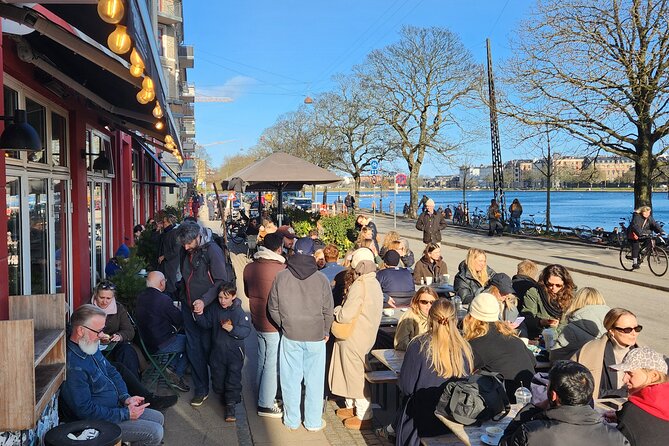
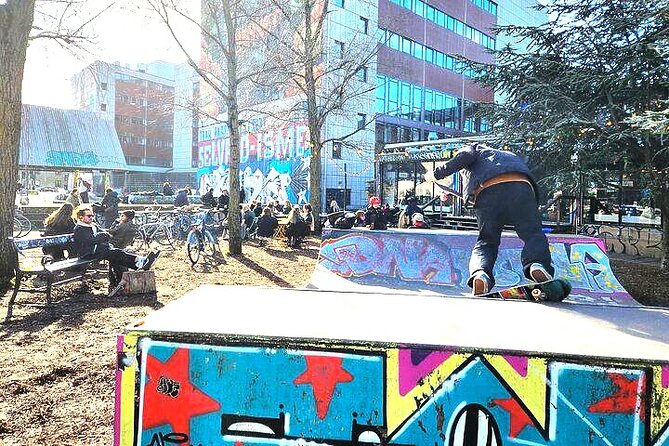
Next comes Folkets Park, a green breathing space shaped by local residents. The park is not just “pretty greenery.” It is described as a place formed by graffiti, creativity, and community, with a strong sense of local ownership.
At its center stands Folkets Hus, a gathering place tied to social and political rights over decades. This is the moment when your walk shifts from neighborhood texture to neighborhood meaning. Your guide talks about struggles that helped shape rights you can recognize today in Denmark, and it is framed as something that started right here.
This stop is valuable because it gives you a human scale to civic change. You see how art and public space can become part of organizing, not just decoration. If you like understanding how societies evolve, this is the section that really earns its place.
Even more Things to Do in Copenhagen
- Copenhagen Card-Discover: 80+ Attractions & Public Transport
★ 4.6 · 5,351 reviews - Copenhagen: Hop-On Hop-Off Bus Tour with Boat Tour Option
★ 3.9 · 4,122 reviews - From Copenhagen: Lund and Malmö 2-Country Tour
★ 4.7 · 3,807 reviews
Kapelvej 44: a cultural house where art meets activism
Then you reach Kapelvej 44, which is presented as a community hub and creative landmark in Nørrebro. The emphasis here is on how cultural space can also be political space. You get local art and political messages, plus bold graffiti that reads like public commentary.
The guide’s story ties the walls to purpose: how Kapelvej 44 has served for cultural events, social activism, and grassroots movements shaping both Nørrebro and wider Copenhagen. The graffiti is described as carrying themes of resistance, hope, and unity, and that matters, because it explains why the place feels energetic instead of chaotic.
If you have ever wondered why certain neighborhoods protect their art, this stop answers the question. It shows how expression and change share the same streets.
Assistens Cemetery: a pause with H.C. Andersen and Søren Kierkegaard
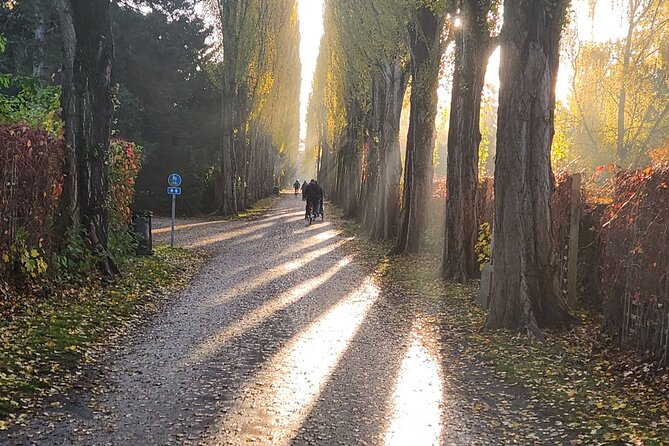
After the community and creative energy, you stop at Assistens Cemetery. It is both historic and recreational, meaning you get that quiet-in-the-middle-of-the-city feeling. This is not only a memorial place. It also functions as part of local public life.
It is also a recognizable names stop. The tour notes final resting places of H.C. Andersen and Søren Kierkegaard. Even if you already know the names from school, standing in the setting changes the way you feel about them.
This part works well if you want a tour that does not rush. It gives you time to slow down, look around, and reset before the more food-and-shop streets take over.
Jaegersborggade and Stefansgade: where you eat, shop, and watch real life
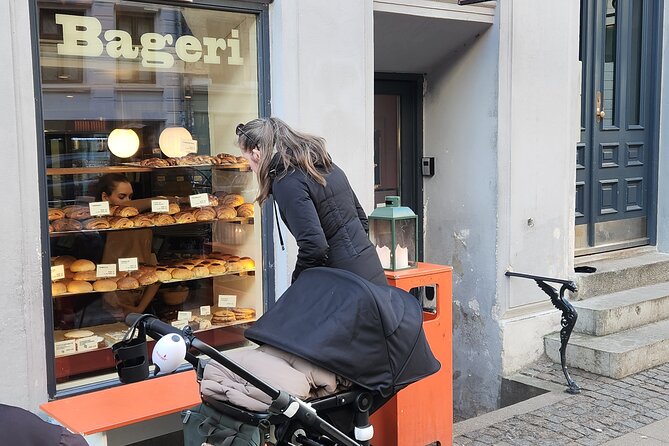
Next up is Jaegersborggade, a street known for gourmet restaurants, cozy coffee shops, and artisan boutiques. The focus here is practical: this is where foodies and trendsetters fit right into the local flow, not just into a tourist plan.
Then you move to Stefansgade, described as picturesque and relaxed, with local shops and bakeries close by. It also sits near Stefanskirken, so you can feel how neighborhood daily life and architecture sit side by side.
What I like about including these streets is that it prevents the tour from becoming only “important places.” It adds the everyday layer. By the end of this stretch, you can picture what it might feel like to live here, grab a coffee, and browse shops on a random afternoon.
Friheden at Nørrebroparken: the calm finish that feels genuinely local
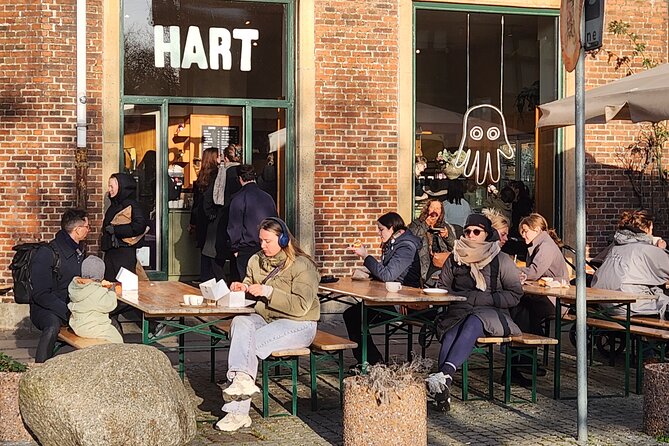
The tour wraps at Friheden, a bar and restaurant in the heart of Nørrebroparken. This is a smart way to end because the atmosphere is described as casual and creative, with greenery around you and a connection back to the community.
The finish is about 25 minutes, which gives you enough time to slow down and have a drink or simply absorb the setting. For many people, this is where the whole tour clicks. You have learned the stories, seen the art and civic spaces, then you close with the simple reality of local hangout life.
If you care about leaving a place with one clear “anchor memory,” this ending gives you that. It is not a monument. It is where people actually linger.
Who should book this Nørrebro walking tour
This walk is best for you if you want a non-touristy side of Copenhagen and you enjoy guided storytelling that connects streets to social context. The reviews highlight that the guides, including Michael, Andreas, and Otto, bring both warmth and strong local insight.
It also suits you if you like a mix of interests: community activism, public art, literary and philosophical landmarks, and everyday café-and-shop streets.
If you prefer tours that focus only on famous sights, you might find parts of this less familiar at first. The payoff is that the neighborhood itself becomes the main attraction, not a single “big ticket” stop.
Should you book the Nørrebro Walking Tour?
If your goal is to understand Copenhagen through its real neighborhoods, I would book this. The 5-star average from 14 ratings and the fact that everyone recommends it tells you this is landing with people who want more than photo ops.
I would also book it if you like small groups and good guide energy. The tour is described as giving a strong hygge feel, and the guides are credited with clear history, friendly vibes, and tips for what else to do in the city.
The only real reason to skip is if you do not want to walk for about 3 hours with a moderate physical fitness level. If that’s you, you could save your energy for a museum day instead.
FAQ
How long is the Nørrebro Walking Tour?
The tour lasts about 3 hours.
How much does it cost per person?
The price is $80.98 per person.
Where do I meet and where does the tour end?
You start at Dronning Louises Bro, 1371 København and end at Friheden Bar and restaurant, at Nørrebrogade 211A, 2200 København.
Is the tour offered in English?
Yes, it is offered in English.
What group size should I expect?
The tour has a maximum of 12 travelers.
What is the cancellation policy?
You can cancel for a full refund if you cancel at least 24 hours before the start time. If you cancel less than 24 hours before, the amount you paid is not refunded.
The latest around Copenhagen
- Copenhagen: Guided Tour of Vesterbro and Christianshavn★ 5.0 · 1 review
- Stevn Klint UNESCO Heritage Tour and Vikingborg Fort.★ 5.0 · 1 review
- Historical Pod Walk Tour on the Slaves of Copenhagen★ 5.0 · 1 review
- Castle Island’s Royal History: A Self-Guided Audio Tour of Slotsholmen★ 5.0 · 1 review
- Copenhagen Old Town, Nyhavn, Canal Walking Tour & Christiana★ 5.0 · 1 review
- Queer Copenhagen Historical Tour★ 5.0 · 1 review
Walking Tours, compared.
Politically Incorrect Private Highlights Walking Tour
Read our review →
Group Walking Tour – City Highlights – 2 Hours
Read our review →
3h walking tour, small group max 10 people Copenhagen
Read our review →
Walk & Canal Tour: Copenhagen Highlights + Changing of the Guards
Read our review →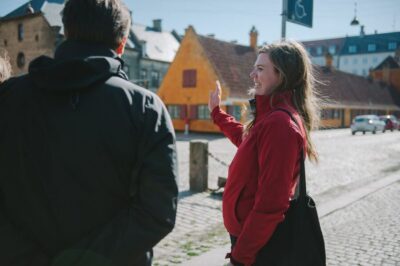
Browse the lists this tour appears in