
Reviewed · WALKING TOURS
Copenhagen Walking Tour with Audioguide on Your Smartphone
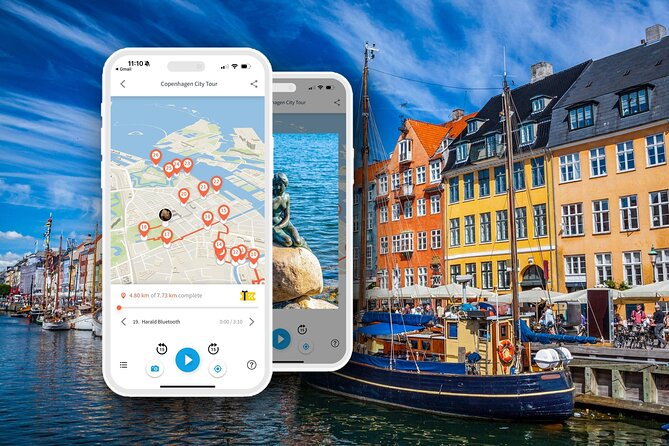
A city tour in your pocket keeps time on your side. This smartphone audio walk covers major Copenhagen highlights at a relaxed pace, with an offline map and historian-written commentary.
I like that it is flexible enough to stretch across breaks, instead of forcing one rigid group tempo. I also like the human-feeling stories, including a bit of dry humor that keeps you listening rather than drifting. One thing to consider is that this is self-guided, so you will be doing all the wayfinding and activating the app yourself.
You also get a smart setup for first-timers: a route that strings together civic landmarks, museums, waterfront icons, and classic photo stops. The itinerary hits famous names, but it also threads through quieter pauses like Dantes Plads and Højbro Square, which makes the walk feel like more than a checklist.
The one drawback is the route is long on foot, and some of the biggest sights on the route can require separate entry tickets if you want to go inside.
In This Review
- Key highlights before you set off
- How this smartphone audio tour works in real life
- Price and value: what $8.46 really buys
- Start at Rådhuspladsen: the civic heartbeat of the walk
- Stop 1: City Hall Square (Rådhuspladsen)
- Stop: Tivoli Gardens
- Museum calm and architecture stops: Glyptotek to The Crystal
- Ny Carlsberg Glyptotek
- Dante Square (Dantes Plads)
- The Crystal (Krystallen)
- BLOX and the National Museum: big themes in walking distance
- BLOX
- The National Museum of Denmark
- Højbro Square to Strøget: where old Copenhagen stays practical
- Højbro Square (Hoejbro Plads)
- Stork Fountain (Storkespringvandet)
- Strøget
- Nyhavn and the Danish Film Institute: canal charm plus modern culture
- Nyhavn
- Danish Film Institute
- Rosenborg to Frederik’s Church: royal Denmark in two iconic stops
- Rosenborg Castle
- Frederik’s Church (The Marble Church)
- Amalienborg and the Opera House: monarchy and modern design together
- Amalienborg
- Copenhagen Opera House
- Memorial Anchor, Gefjon Fountain, Kastellet, and the Little Mermaid
- Memorial Anchor (Mindeankeret)
- Gefjon Fountain
- Kastellet
- The Little Mermaid
- Small logistics that make the walk easier
- Should you book this Copenhagen audio walk?
Key highlights before you set off
- Offline navigation with a map designed to help you stay on the route
- 26 audio recordings authored by a professional historian
- Smartphone-first format (iOS and Android) with a mobile ticket
- A walk built for pacing, since you can pause and continue instead of chasing a group
- Big hits plus calm stops, from Tivoli at the center to Kastellet near the harbor
How this smartphone audio tour works in real life
This is a self-guided walking tour powered by an app. You download the audio guide app on your iPhone or Android, activate your purchase, and follow the route using the app map. There is no in-person guide, so your phone becomes your tour leader.
The experience includes offline map support, which matters in Copenhagen when you want navigation without worrying about spotty data. The tour also includes 26 audio recordings, plus landmark illustrations, and you keep access for one year in your chosen language. If you like to read the room as you walk, that’s a nice benefit, because you can replay segments later.
Timing is flexible. The tour is listed at about 3 hours 30 minutes, and the audio availability is tied to approximate checkout times. But you do not need to treat this like a stopwatch. You can plan extra time for photo stops, bathroom breaks, and sitting down with a coffee. One review highlighted that the route feels manageable even if you spread it across a couple of days, which is exactly how I like to use phone-guided walks.
Even more walking tours in Copenhagen:



Price and value: what $8.46 really buys
At $8.46 per person, you are not paying for a human guide, transport, or included museum entries. You are paying for the audio and the structure that stitches Copenhagen together into a walk you can follow.
Here is why that can be good value:
- You get historian-written stories for 26 stops, so the money is going toward context, not logistics.
- You can repeat and revisit parts later thanks to the one-year access.
- You avoid paying for guide labor. If you are already planning a walking day, this is a cost-effective way to add depth without paying for separate tickets just to get commentary.
What could make it less of a fit is if you want lots of indoor time. The tour itself does not include entry tickets for places like Rosenborg Castle, Amalienborg Palaces, and Christiansborg Palace. If you are hoping to do multiple museum interiors during the same morning, you may want to budget additional ticket costs on top.
Start at Rådhuspladsen: the civic heartbeat of the walk
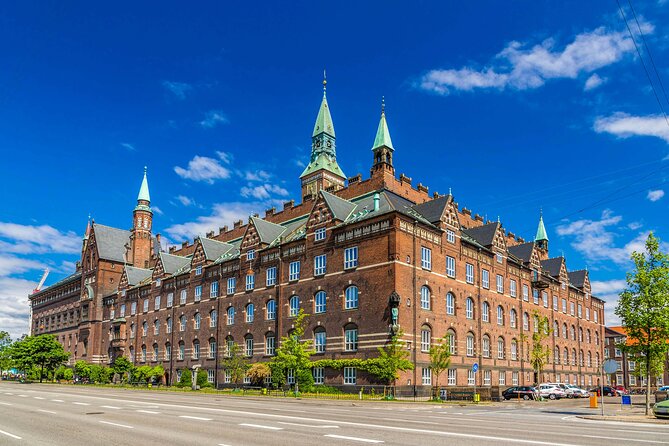
The tour begins and ends at Rådhuspladsen, København. This wide civic square is a great starting point because it is easy to orient yourself. You are near major streets and transit, and you get an immediate sense of scale: Copenhagen at street level, with people moving in every direction.
Stop 1: City Hall Square (Rådhuspladsen)
You start with the square that works like a city stage. The City Hall complex and its clock tower create a strong visual anchor, and the route naturally funnels you toward the pedestrian core of central Copenhagen, including Strøget later on. Expect plenty of foot traffic here, which can be a bonus because it helps you feel safe and oriented as you begin.
Practical tip: start the audio right away, then walk slowly for the first few minutes. You are setting your rhythm for the whole day.
More routes to do without a guide in Copenhagen:
- Copenhagen Little Mermaid Exploration Game and Self-Guided Tour
★ 4.0 · 36 reviews - Half Day Self-Guided Audio Walking Private Tour in Copenhagen
★ 5.0 · 21 reviews - Monstour: A Self-Guided Audio Tour of Danish Folk Legends
★ 4.5 · 19 reviews
Stop: Tivoli Gardens
Next comes Tivoli Gardens, opened in 1843, and still one of the most atmospheric amusement parks in the world. The appeal here is not just rides. It’s the setting, the fairytale energy, and the classic Copenhagen habit of turning leisure into an evening event.
If you are walking in daylight, you will still get the charm of lantern-like lighting and historic character, but the nighttime vibe is where Tivoli really has its strongest personality. If your schedule allows, consider coming back after dark on a different evening.
Museum calm and architecture stops: Glyptotek to The Crystal
This middle stretch shifts from fairytale fun to art and modern design, which is a clever balance. The stories help you connect what you see, instead of treating these as separate attractions.
Ny Carlsberg Glyptotek
The Ny Carlsberg Glyptotek is Copenhagen’s art museum with a calm, almost private feel. It was founded by brewing magnate Carl Jacobsen in 1888, and the standout feature is not only the collection, but the building experience itself, including the winter garden with lush plants and glass light.
You are likely to hear about famous artists and collections, including Degas dancers, Rodin sculptures, ancient Roman busts, and notable Egyptian antiquities. Even if you do not go inside for long, it helps to treat this as a pause and a reset, because the Glyptotek gives you a break from the street noise.
Dante Square (Dantes Plads)
Then you step into something calmer: Dante Square, named for Dante Alighieri. It is small and elegant, more for reflection than spectacle, with trees, benches, and a bronze bust at the center. This stop works well if you tend to rush. Use it as a moment to stand still, listen to the audio, and look around without feeling you need to keep moving.
The Crystal (Krystallen)
After that quiet literary corner, you get a sharp contrast with Krystallen, the glass-and-steel building associated with Nykredit Bank. It was designed by Schmidt Hammer Lassen and completed in 2011. The building is known for its crystalline, sky-reflecting look and partly solar-powered design.
Why this stop matters: it shows how Copenhagen blends practical life with design thinking. You get a visual lesson in how Danish architecture often tries to feel light, precise, and future-facing.
BLOX and the National Museum: big themes in walking distance
This part of the route is where the city starts talking about culture and national identity more directly.
BLOX
BLOX is a modern architecture statement on the waterfront, designed by OMA and completed in 2018. It is not just office blocks. It stacks different uses into one complex: Danish Architecture Center, design shops, a gym, apartments, and a café.
Even from the outside, BLOX tends to make people stop and look. If you like buildings that spark conversation, this is a good photo-and-people-watching area. If you prefer classic old-world streets, it might feel like a bold interruption, but that contrast is the point of the route.
The National Museum of Denmark
Then you hit the National Museum of Denmark, set in what used to be a royal mansion near the center. This is one of those places where the audio angle can change your expectations. Instead of just dates and names, it’s framed as how people lived and believed across eras, from Viking tools and Bronze Age items to medieval relics and other everyday artifacts.
If you want to go inside, remember that entry tickets are not included. But even if you only do an exterior look, the stop gives context for what you are seeing later around the city.
Højbro Square to Strøget: where old Copenhagen stays practical
This segment is classic Copenhagen street texture. You walk where daily life and architecture meet, and the audio helps you notice the details you might otherwise skip.
Højbro Square (Hoejbro Plads)
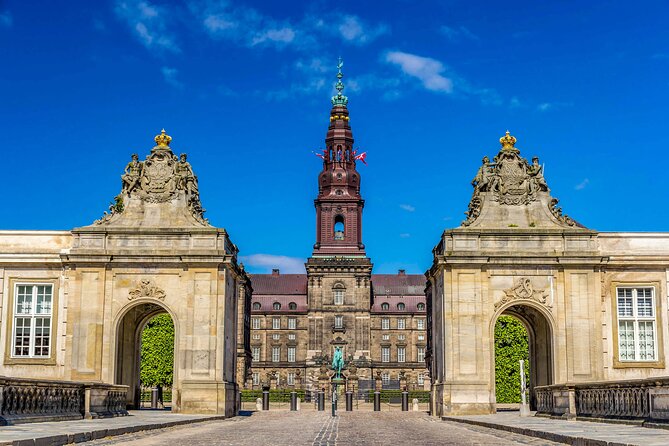
Højbro Square sits at a crossroads of old and new. The square has cobblestones, cyclists, and views toward Christiansborg Palace. At the center is Absalon’s equestrian statue, tied to the warrior-bishop credited with founding Copenhagen in the 12th century.
This is also a great spot to pause, because it gives you a mental bridge between the museums and the more famous shopping and harbor areas coming next.
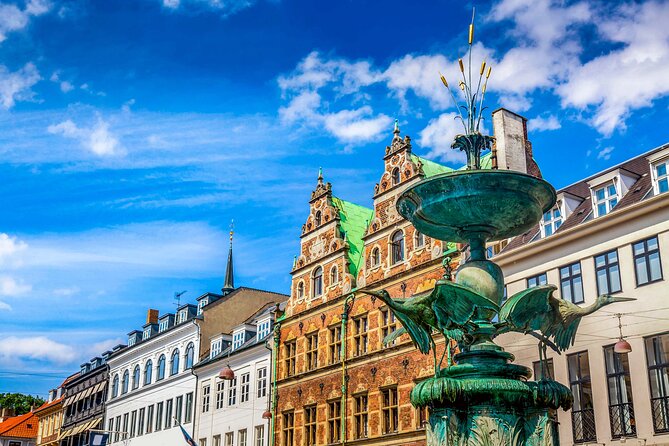
Stork Fountain (Storkespringvandet)
In Amagertorv, you reach the beloved Stork Fountain. It was gifted in 1894 for a royal marriage, and it features three storks above playful bronze babies. Over time it became tradition, including a memorable graduation ritual for midwifery students.
If you want a “Copenhagen small joy” stop, this is it. It is decorative, but it also connects the city’s public art to real local customs.
Strøget
Then comes Strøget, the pedestrian-only shopping street stretching from City Hall Square to Kongens Nytorv. It is long and lively in a day-to-day way, with big-name stores, smaller boutiques, street performers, and hidden courtyards.
The audio here helps you treat Strøget like more than retail. You will also pass churches and different architectural styles, plus plenty of café stops if you want to cool down.
Nyhavn and the Danish Film Institute: canal charm plus modern culture
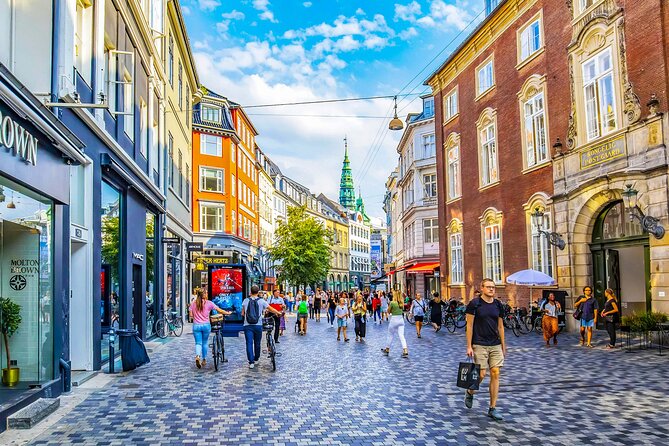
This is one of the best “feel the city” parts of the walk. You get a postcard canal scene, then a creative, contemporary stop that broadens the cultural mix.
Nyhavn
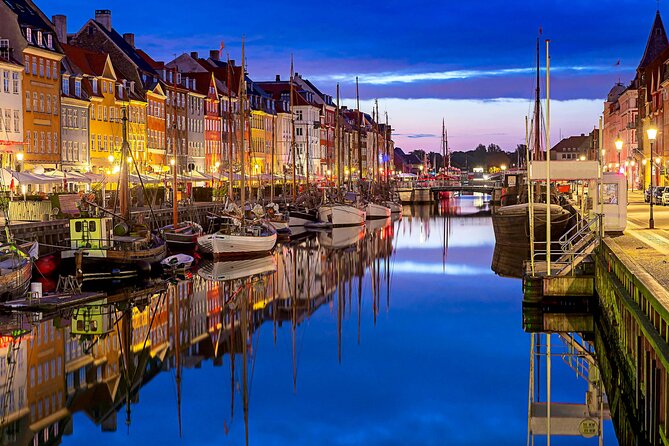
Nyhavn is famous for a reason: bright 17th-century townhouses line a canal filled with older wooden ships. It used to be a sailor-heavy quarter, and it still carries that mix of history and easy pleasure.
The audio context includes Hans Christian Andersen, who once lived here and wrote fairytales above the din of taverns. Today, the quayside is a popular place for jazz, beer, and sunset views, and it makes a strong finish line if you are pacing the day.
Practical tip: plan for crowds near the canal. If you want photos without a mob, go slightly off-peak.
Danish Film Institute
Next is the Danish Film Institute, tied to cinema culture in Denmark and home to Cinemateket. The building blends minimal modern design with cinephile warmth. Inside you might find public screenings, a café, film-themed exhibitions, and a shop for DVDs and books.
Entry details are not included, so check what you want before you plan extra time for indoor parts. Still, as a walking stop, it works because it makes Copenhagen feel alive beyond sightseeing.
Rosenborg to Frederik’s Church: royal Denmark in two iconic stops
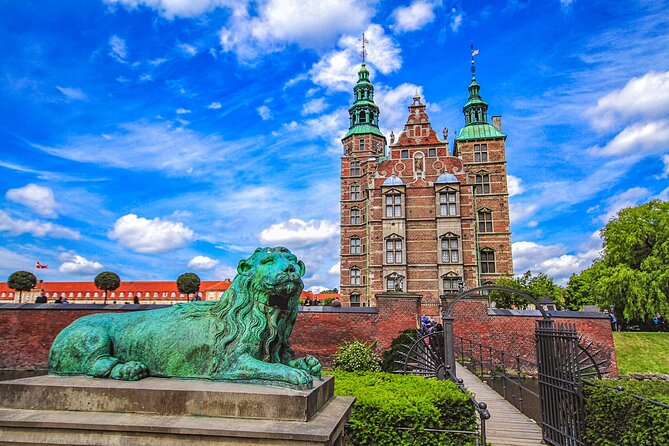
This section turns from harbor energy into royal landmarks and long-awaited church visuals.
Rosenborg Castle
Rosenborg Castle is the fairytale fortress built in the early 1600s by King Christian IV. The red-brick towers and emerald spires rise from manicured gardens, and it contains treasures and baroque interiors. The route sets you up for the idea of royalty as theater, with rooms acting like preserved time capsules.
If you want to enter for the interiors and crown jewel areas, remember entry tickets are not included. If you are short on time, a slower exterior look plus the audio story still gives you plenty of payoff.
Frederik’s Church (The Marble Church)
Then you reach Frederik’s Church, also known as the Marble Church, with the large green copper dome said to be the largest in Scandinavia. It took over 150 years to complete and opened in 1894.
Inside, the rotunda and polished stone columns create a hush that contrasts with the busy streets outside. This stop is worth it if you like architecture you can see both inside and out. If you skip the interior due to time, at least catch the dome angle from the surrounding streets.
Amalienborg and the Opera House: monarchy and modern design together
You now move into the area around the waterfront, where Copenhagen makes a point of mixing old royal presence with modern creative structures.
Amalienborg
Amalienborg is the living heart of Denmark’s monarchy, with a square encircled by 18th-century palaces and watched over by an equestrian statue of King Frederick V. There is a changing of the guard at noon, and one wing is open as a museum revealing royal interiors and personal history.
The audio makes the area feel more like a civic space than just a royal display. Again, entry tickets for Amalienborg are not included, so plan accordingly if you want museums inside.
Copenhagen Opera House
Then comes the Copenhagen Opera House, opened in 2005 and designed by Henning Larsen. It was built as a gift from a shipping magnate and is described as one of the most expensive opera houses ever built. The best part for many people is the view across the water, plus the striking modern design.
If you are traveling with someone who prefers modern architecture, this stop can be the perfect bridge between your earlier museum time and your later memorial and myth stops.
Memorial Anchor, Gefjon Fountain, Kastellet, and the Little Mermaid
The final stretch shifts from iconic Danish images to places with meaning and atmosphere.
Memorial Anchor (Mindeankeret)
Near Nyhavn you find the Memorial Anchor, unveiled in 1951. It commemorates Danish sailors and resistance members who lost their lives during World War II, especially those in the merchant navy. A flag-raising ceremony happens every May 5, Denmark’s Liberation Day.
This stop is heavy, so take your time here. Copenhagen is often cheerful on the surface, but this kind of memorial reminds you why public spaces matter.
Gefjon Fountain
Next is the Gefjon Fountain, tied to Norse mythology. It depicts the goddess Gefjon driving four wild oxen, with her sons transformed and turning into the land that becomes part of Zealand. The fountain’s bronze drama is all motion and spray, so it is a great place to watch how light hits metal.
Kastellet
Kastellet is a star-shaped fortress built in the 17th century, still remarkably intact. It is active military presence plus park atmosphere, with grassy ramparts, red barracks, and a windmill, along with swans in the moat.
What makes this stop valuable is how it feels unexpectedly peaceful. It is history with everyday use, jogging paths, and open sky. If you want one place to reset before the tour’s iconic finale, this is it.
The Little Mermaid
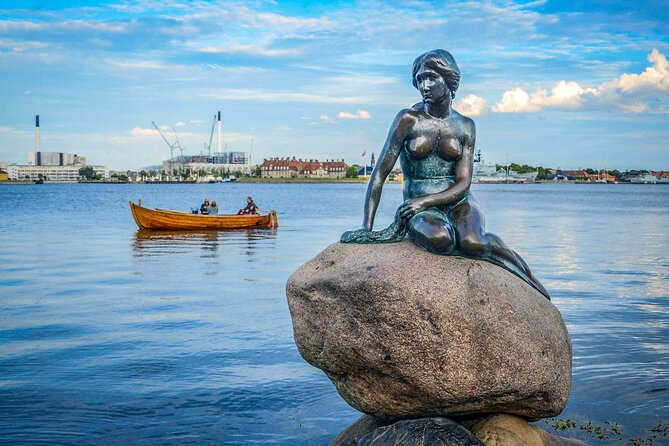
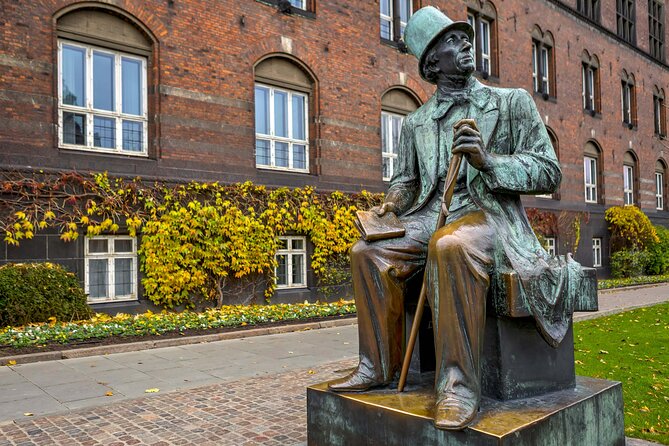
Finally, the Little Mermaid sits at the harbor edge. Inspired by Hans Christian Andersen, the bronze statue was unveiled in 1913 and gifted by brewer Carl Jacobsen. It is small, but it carries strong symbolism, including being a target of political vandalism over the years.
You do not go here only for the photo. You also come to feel the quiet tension of longing the story is known for. If you time it well, you can get a calm moment even when the area is crowded.
Small logistics that make the walk easier
A few practical points that will help your day go smoothly:
- Download before you need it: the tour uses a mobile app plus an offline map, so set yourself up early.
- Plan for separate tickets: Rosenborg Castle, Amalienborg Palaces, and Christiansborg Palace are specifically noted as not included for entry.
- Expect walking time to vary: the route is listed at about 3 hours 30 minutes, but your pace depends on breaks, photography, and how long you want to linger at places like Tivoli and Nyhavn.
- Use transit as a helper: the starting area is near public transportation, and the stops are in central areas you can reach around the city.
Also, the group size limit is capped at 20 travelers, but since there is no human guide, this mainly affects how the tour is managed in the app experience, not how you interact with a person.
Should you book this Copenhagen audio walk?
Book it if you want a cost-friendly, phone-led way to understand Copenhagen while walking. I especially think it suits you if you like to control your pace, stop for coffee, and move section by section instead of racing a live guide.
Consider skipping or changing strategy if you want lots of included museum time. Since entry tickets for major sites like Rosenborg Castle and Amalienborg are not included, you may end up paying extra anyway. Also, if you do not like self-navigation, this might feel like more work than it should.
If you want the best outcome, treat the audio as your guide for context and timing, then let Copenhagen do what it does best, street life, harbor light, and those little moments where the city’s stories show up in plain sight.
The latest around Copenhagen
- Copenhagen: Guided Tour of Vesterbro and Christianshavn★ 5.0 · 1 review
- Stevn Klint UNESCO Heritage Tour and Vikingborg Fort.★ 5.0 · 1 review
- Historical Pod Walk Tour on the Slaves of Copenhagen★ 5.0 · 1 review
- Copenhagen Old Town, Nyhavn, Canal Walking Tour & Christiana★ 5.0 · 1 review
- Queer Copenhagen Historical Tour★ 5.0 · 1 review
- Castle Island’s Royal History: A Self-Guided Audio Tour of Slotsholmen★ 5.0 · 1 review
Walking Tours, compared.

Politically Incorrect Private Highlights Walking Tour
Read our review →
Group Walking Tour – City Highlights – 2 Hours
Read our review →
3h walking tour, small group max 10 people Copenhagen
Read our review →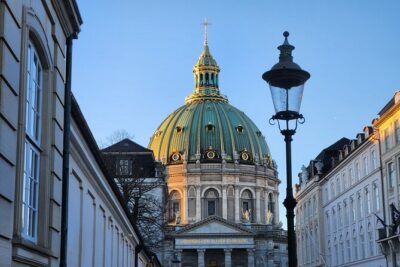
Walk & Canal Tour: Copenhagen Highlights + Changing of the Guards
Read our review →

Browse the lists this tour appears in