Reviewed · GUIDED
Copenhagen: The Royal Danish Theatre Guided Tour
If you love theater, this tour is worth it. I like how it pairs gold, velvet, and crystal chandeliers with real, practical stage know-how at the Royal Danish Theatre.
You also get a clear look at places most people never see, from grand public rooms to performance-side spaces where costumes and scenery come together.
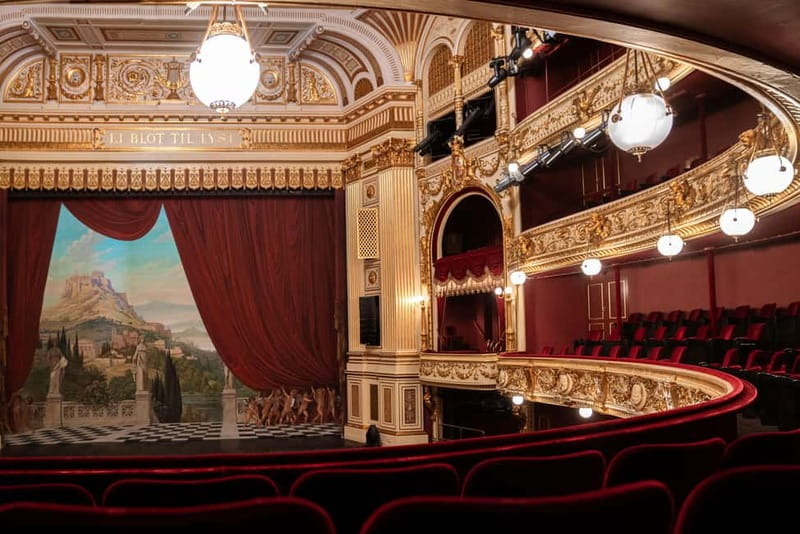
What I really liked most is the mix of show glamour and hands-on theater context. You’ll move through key areas, including the impressive hall, the big tailor’s room, and H.M. King Frederik 10.’s salon, then end up with behind-the-scenes perspective on staging and scenography.
In at least one English-led run, a guide named Hilary (and another named Hillary) is praised for making the 75 minutes feel fast and easy to follow.
One consideration: this tour is not suited for wheelchair users or people with mobility impairments, and strollers, large bags, pets, plus food and drinks are not allowed. Plan your time and what you bring, so you do not end up stressed before the tour even starts.
In This Review
- Key highlights you will actually care about
- The Royal Danish Theatre, in one tight 75-minute walkthrough
- Start at Kgs. Nytorv foyer, then get oriented fast
- The main hall: where architecture becomes part of the show
- The tailor’s room: costume work you can almost smell through the curtains
- H.M. King Frederik 10’s salon: a royal pause with real theater context
- Old Stage and the public hall, how the spaces connect
- Balcony Foyer and backstage: the production machine, not just the glamour
- Guide-led storytelling in English, and why it matters
- Price and value: what $24 buys you here
- Who should book this tour (and who might not love it)
- Practical rules to know, so your visit stays smooth
- Should you book the Copenhagen Royal Danish Theatre guided tour?
- FAQ
- How long is the Copenhagen Royal Danish Theatre guided tour?
- Where is the meeting point?
- Is the tour in English?
- What is included in the tour?
- How much does it cost?
- What areas will I see during the tour?
- Are strollers, food and drinks, luggage, or pets allowed?
- Is this tour suitable for wheelchair users or young children?
Key highlights you will actually care about
- Old Stage access so you can see where performances are staged, not just admire the building from the lobby
- Tailor’s room that connects costumes to the real work behind the scenes
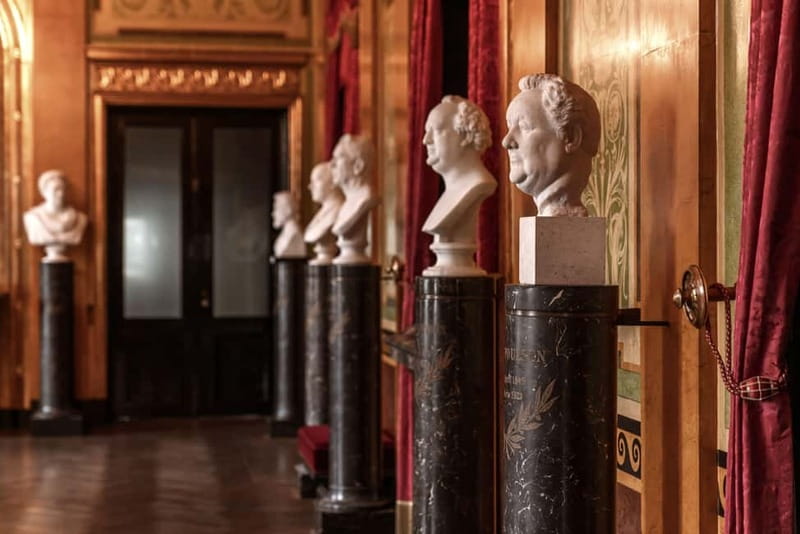
- King Frederik 10’s private salon for a rare glimpse of royal-era theater space
- Balcony Foyer views that show how audiences and the building design shape the theater experience
- Backstage area focus with explanations tied to staging performances, costumes, and scenography
- English guide and a 75-minute format that stays focused
The Royal Danish Theatre, in one tight 75-minute walkthrough
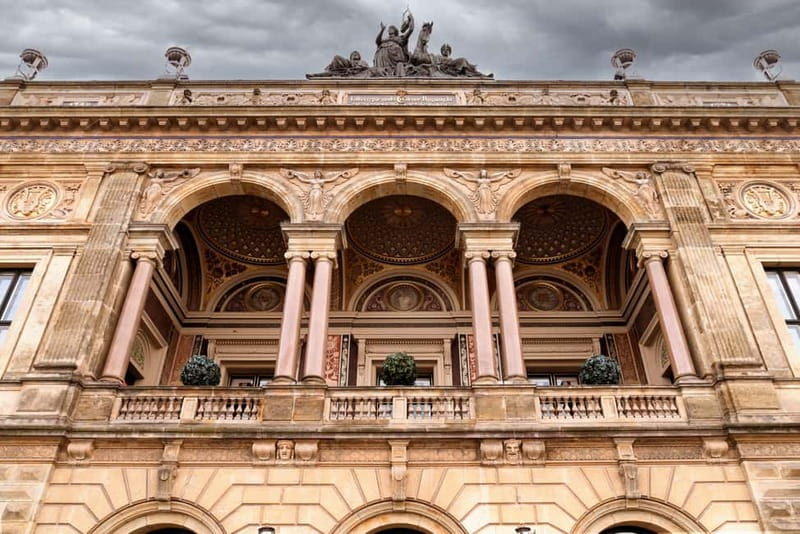
This guided tour is short enough that it fits well into a normal sightseeing day, but it still hits the rooms that make the Royal Danish Theatre feel like Copenhagen at its most theatrical. You are not spending the whole time in a single hallway or stuck staring at one display. You move, you look, and you get context for what you are seeing.
The $24 price point also makes sense for what you get: entrance to the Old Stage plus a guided route that includes multiple special-access areas. If you care about theater as a craft, the guided explanation helps you read the building differently, from the viewpoint of performers, costume work, and stage design.
Even more Things to Do in Copenhagen
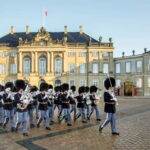



Start at Kgs. Nytorv foyer, then get oriented fast
Your meeting point is in the large foyer by the main entrance at Kgs. Nytorv. The tour notes also say the foyer is just around the corner from the official address, August Bournonvilles Passage 8, so if your map app points you there, do not panic. Go to the main-entrance foyer at Kgs. Nytorv.
Arrive about 15 minutes early. That buffer matters because you need time to get checked in, store anything you cannot bring in, and settle before the guide starts the story of the building. Since the tour is only 75 minutes, late arrivals can throw off the pacing for everyone.
Also, because the tour is in English, it is a good pick if you want the explanations without using phone translations the whole time. That matters in theaters, where terms like staging, scenography, and costuming can quickly get lost if you do not have someone connecting them to what you are looking at.
The main hall: where architecture becomes part of the show
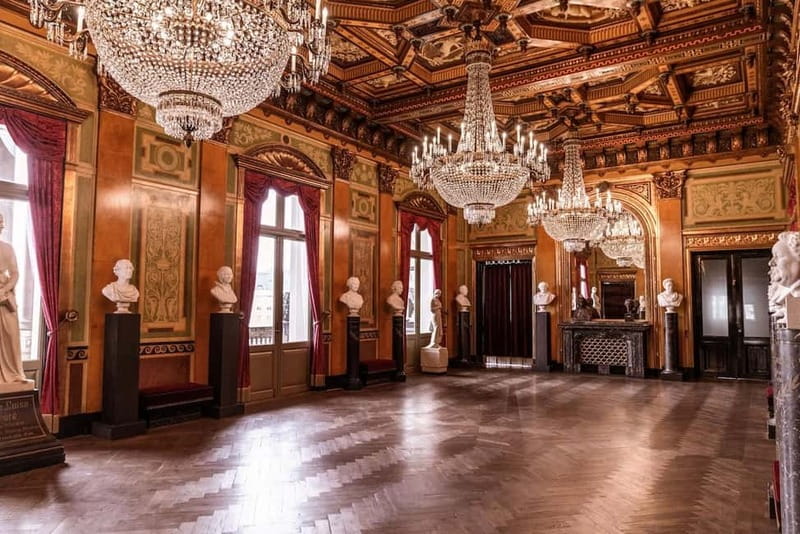
One of the first payoffs is the moment you see the impressive hall up close. This is not just a pretty room. The décor and scale are meant to impress, but they also reflect how performances were experienced, with audiences and performers sharing the same theatrical space.
Expect a look at the interior theme, including gold, velvet, and crystal chandeliers. When you are standing in that kind of setting, you start to understand why theater spaces feel ceremonial. They are designed for atmosphere as much as for sound and sightlines.
What you will love here is the way the guide connects the visuals to function. You are not only admiring décor. You are learning how a theater building supports the performance rhythm, from audience impression to backstage movement. If you tend to appreciate buildings more than museum labels, you will likely enjoy this section a lot.
A possible drawback is that the tour is not set up as a slow, photography-only stroll. You will be moving from room to room, so if you are hoping to linger for long photo sessions, bring patience and choose your moments.
The tailor’s room: costume work you can almost smell through the curtains
The tailor’s room is one of the stops that turns the whole experience from sightseeing into theater craft. You get to see a work-focused space tied to the big question: how do costumes become performance-ready?
Even if you are not a costume-history nerd, this room helps you understand something practical. Theater costumes are not just outfits. They are designed for movement, quick changes, durability under stage lighting, and the look an audience can read from a distance.
This is also the stop where the guide’s explanation about staging, costumes, and scenography starts to click. You see the costume side, then you hear how it fits into the broader production process. It makes the building feel like it is still actively connected to the shows happening there, even while you are just touring.
If you like behind-the-scenes content, do not rush this stop. Slow down enough to look at the room’s purpose and the way it contrasts with the more public spaces.
A handful of other Copenhagen bookings
- Copenhagen: Highlights 3 Hour Bike Tour with a Local Guide
★ 4.8 · 2,312 reviews - Copenhagen Sightseeing Classic Canal Tour With Live Guide
★ 4.5 · 1,906 reviews - Copenhagen Highlights 3 Hour Bike Tour with local Guide
★ 5.0 · 1,125 reviews
H.M. King Frederik 10’s salon: a royal pause with real theater context
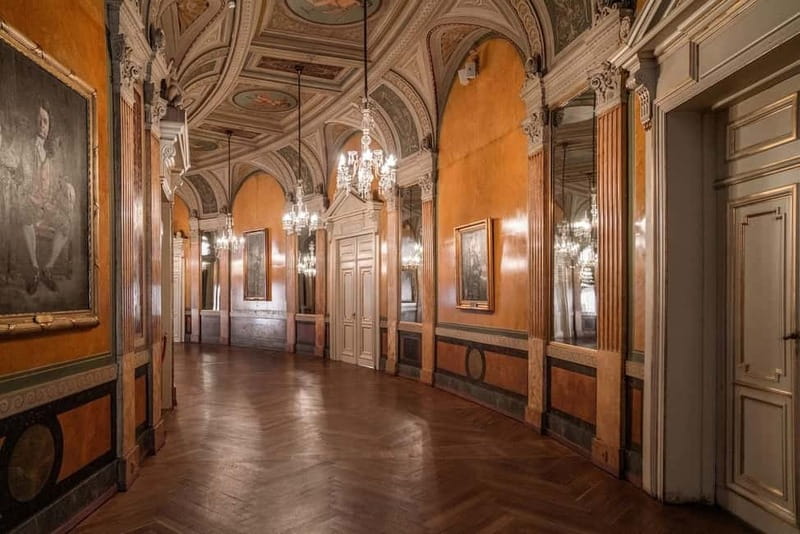
You will also visit H.M. King Frederik 10.’s salon. This is the kind of stop that can feel purely decorative at first, but the guide’s explanation keeps it grounded in theater.
Think of it as a space where power, prestige, and performance intersect. Even if you are not into royalty, the value here is perspective. You get an image of how important theater was, not just as entertainment but as a cultural centerpiece where audiences wanted to be seen.
The guide ties this space into the larger building story, so you are not only looking at a special room. You are placing it within the tradition of performances that have happened in the theatre.
There is a specific building milestone mentioned in the tour information: the theatre building was inaugurated in 1874. Hearing that number while you are standing in these rooms makes the architecture feel more time-anchored, not just aesthetic.
Old Stage and the public hall, how the spaces connect
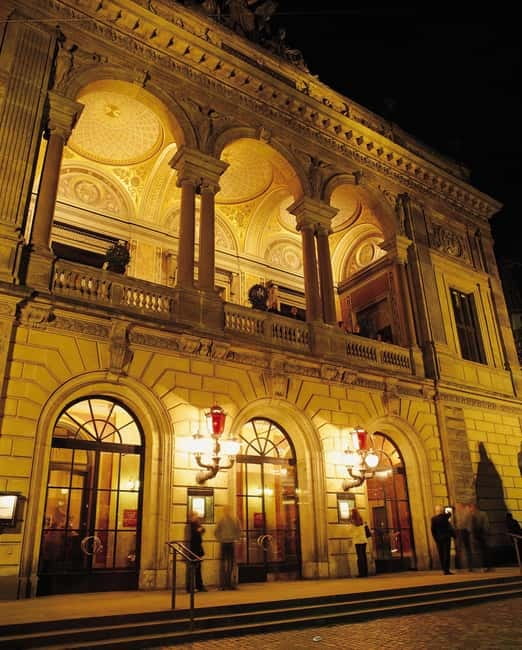
The tour includes entrance to the Old Stage, which is a big deal if you want to understand theater layout beyond the front-of-house experience. You are not only walking through ornate rooms. You are getting the viewpoint shift that makes theater buildings understandable.
On a normal visit, you mostly see what is meant for audiences. Here, you see connections: where performance energy comes from, how production work feeds into what audiences experience, and how the building’s layout supports that flow.
The Old Stage stop also helps you appreciate why certain rooms are designed the way they are. When you can visually link an audience area to a stage area, you start noticing details like how sightlines and movement patterns tend to work in older theaters.
This is also where you may feel the tour’s time pressure. Since everything must fit into 75 minutes, you cannot inspect every corner like you would in a museum. Still, the route is structured well enough that you end up with a coherent sense of how the building functions.
Balcony Foyer and backstage: the production machine, not just the glamour
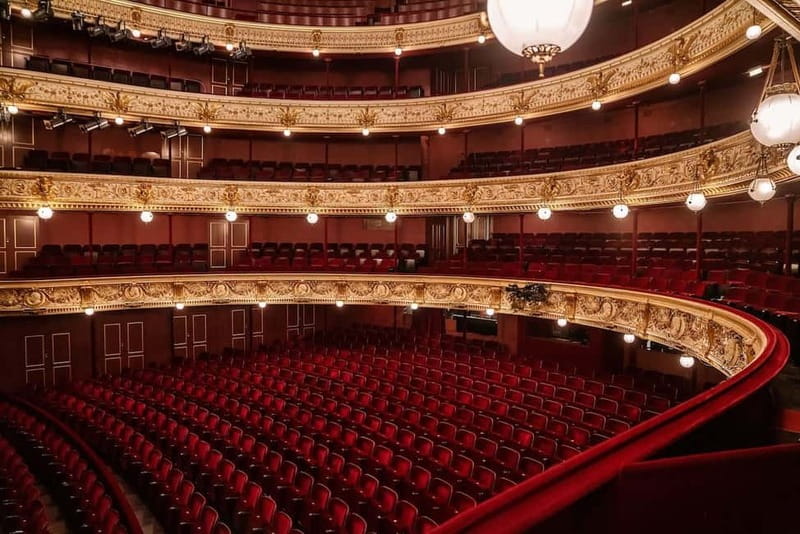
If the public rooms are the theater’s face, the Balcony Foyer and the backstage area are its working voice. The Balcony Foyer stop is spectacular because it shows how audience experience is shaped by the architecture. You get that sense of elevated viewing and the way the design supports a feeling of occasion.
Then comes the backstage area, where the tone shifts from elegance to logistics. The guide talks about how staging performances, costumes, and scenography fit together, which helps you understand what you are seeing as parts of one production system.
This is where the tour becomes especially valuable for non-theater experts too. You do not need prior knowledge to get it. The guide’s explanations give you a simple mental model: staging is how the story moves in space, costumes support characters and movement, and scenography handles the visual world that audiences read.
One of the standout takeaways from the tour feedback is that people love seeing everything in between the famous rooms. That is exactly what this route is built for. You get the in-between spaces that explain how the show gets made.
Guide-led storytelling in English, and why it matters
This tour runs in English, and that is a practical advantage in Copenhagen. Theater terminology can be tricky, and you do not want to guess what you are looking at while trying to translate in your head.
A couple of guide mentions stand out in feedback: Hilary and Hillary are both praised for detailed, friendly explanations. The common theme is that the guide keeps the 75 minutes moving without losing clarity. That is the difference between a tour that feels like a list and one that feels like a story.
If you are comfortable asking questions, this format usually works well. Even when you do not, the guide’s pacing helps you absorb architecture, production concepts, and history all without turning the tour into a lecture.
Price and value: what $24 buys you here
At $24 per person for about 75 minutes, you are paying for three things at once: access to the Old Stage, guided interpretation, and entry into multiple notable spaces. The tour is not priced like a long multi-hour attraction, and that is part of its value.
You are also getting a specific type of value that is hard to replicate on your own. Many theater visits give you the front-of-house experience. This route adds the tailor’s room, King Frederik 10.’s salon, the Balcony Foyer, and the backstage area, plus explanations about staging, costumes, and scenography.
If you like architecture but want it to mean something, this is a good bargain. It also works well if you are in Copenhagen for a few days and want one activity that gives both spectacle and substance.
Who should book this tour (and who might not love it)
I think this tour is a strong fit for you if:
- You enjoy theater history and want to see the building’s spaces tied to real production work
- You are curious about costumes and staging, not just the fancy rooms
- You want a compact, guided experience that still covers major highlights
It may be a poor fit if:
- You need wheelchair access or mobility-friendly routes, since the tour is not suitable for wheelchair users or people with mobility impairments
- You are traveling with very young children, since it is not suitable for children under 7
- You want a stroller-friendly family outing, since strollers are not allowed
Practical rules to know, so your visit stays smooth
These restrictions are the kind that can quietly make or break the experience:
- No strollers
- No food and drinks
- No luggage or large bags
- No pets, but assistance dogs are allowed
That means you should pack light. If you are coming from another activity, consider wearing comfortable shoes and keeping what you bring minimal. The tour environment is inside a working historic venue, and the rules exist to keep routes clear and spaces manageable.
Also, plan to arrive early at the Kgs. Nytorv main entrance foyer. With a 75-minute tour, being late compresses the time you have to look, and you will enjoy it more if you arrive ready to focus.
Should you book the Copenhagen Royal Danish Theatre guided tour?
Yes, I would book this if you want a high-impact theater visit without spending half a day. The $24 price feels fair for the access and the guide-led context, especially if you care about how performances are built. The highlights are the mix: chandeliers and hall grandeur, the tailor’s room that explains costume work, and the Balcony Foyer plus backstage area that shows how productions come together.
Skip it if you need wheelchair access, if you are traveling with a stroller, or if your travel style is all about long, self-paced wandering. In those cases, the route and rules could frustrate you.
If you do book it, do yourself a favor: arrive 15 minutes early, keep your bag situation simple, and go in ready to connect what you see with how theater is made. That is when the tour turns from impressive rooms into a genuinely memorable Copenhagen experience.
FAQ
How long is the Copenhagen Royal Danish Theatre guided tour?
The tour lasts 75 minutes.
Where is the meeting point?
Meet your guide in the large foyer by the main entrance at Kgs. Nytorv.
Is the tour in English?
Yes, the guided tour is in English.
What is included in the tour?
You get entrance to the Old Stage and a guided tour.
How much does it cost?
The price is $24 per person.
What areas will I see during the tour?
The tour includes the impressive hall, the tailor’s room, H.M. King Frederik 10.’s salon, the Balcony Foyer, and the backstage area.
Are strollers, food and drinks, luggage, or pets allowed?
No. Strollers, food and drinks, luggage or large bags, and pets are not allowed. Assistance dogs are allowed.
Is this tour suitable for wheelchair users or young children?
No. It is not suitable for wheelchair users or people with mobility impairments, and it is not suitable for children under 7 years old.
The latest around Copenhagen
- Copenhagen: Guided Tour of Vesterbro and Christianshavn★ 5.0 · 1 review
- Stevn Klint UNESCO Heritage Tour and Vikingborg Fort.★ 5.0 · 1 review
- Historical Pod Walk Tour on the Slaves of Copenhagen★ 5.0 · 1 review
- Copenhagen Old Town, Nyhavn, Canal Walking Tour & Christiana★ 5.0 · 1 review
- Queer Copenhagen Historical Tour★ 5.0 · 1 review
- Castle Island’s Royal History: A Self-Guided Audio Tour of Slotsholmen★ 5.0 · 1 review
Guided, compared.

Highlights 3 Hour Bike Tour with a Local Guide
Read our review →
Copenhagen Sightseeing Classic Canal Tour With Live Guide
Read our review →
Copenhagen Highlights 3 Hour Bike Tour with local Guide
Read our review →


Guided Party Pub Crawl with 4 Shots and 1 Drink
Read our review →
Segway Tours Copenhagen w. Guide & Concierge Service. 2 Hours+
Read our review →