
Reviewed · WALKING TOURS
Copenhagen: Highlights & Secrets Private Walking Tour
Copenhagen clicks into place fast. This private walk lets you see the big-name sights and the quieter side too, with a local guiding you through Copenhagen’s mix of old streets and modern thinking. I love the private group pace, and I especially love how the local guide connects architecture, neighborhoods, and everyday Danish life into one easy route.
One thing to consider: this is still a walking tour. You will spend about 3 hours on your feet, with regular stops, so plan comfortable shoes and a light layer for Danish weather changes.
If you book the full option, there is also a Danish pastry and coffee stop built into the route. Guides I noticed from previous groups include Jeff, Paula, Karolina, Grazi, and Lucas, and the common thread is friendly storytelling and practical tips that help you move around the city after the tour.
In This Review
- Key moments worth centering in your plans
- From El Cava meet-up to Niels Bohr Birthplace start
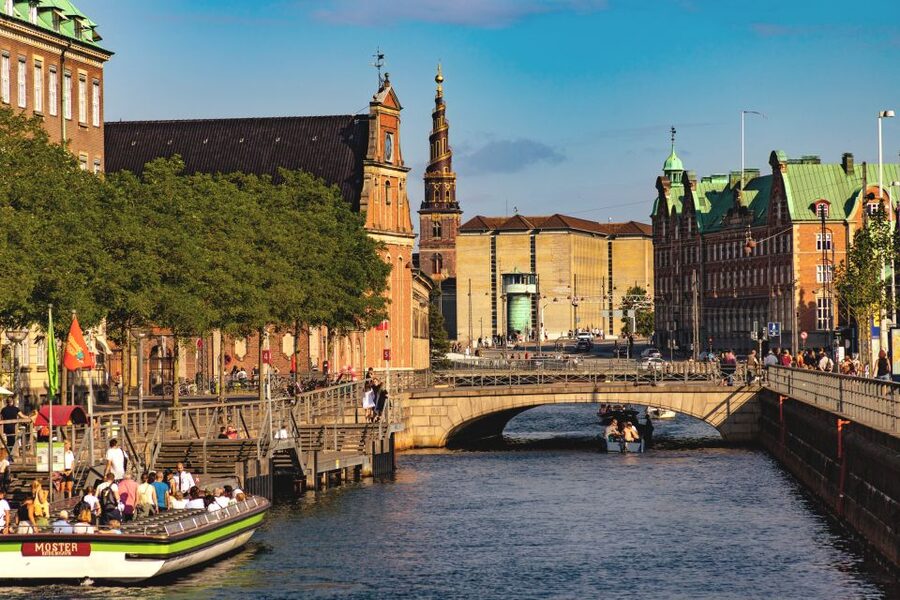
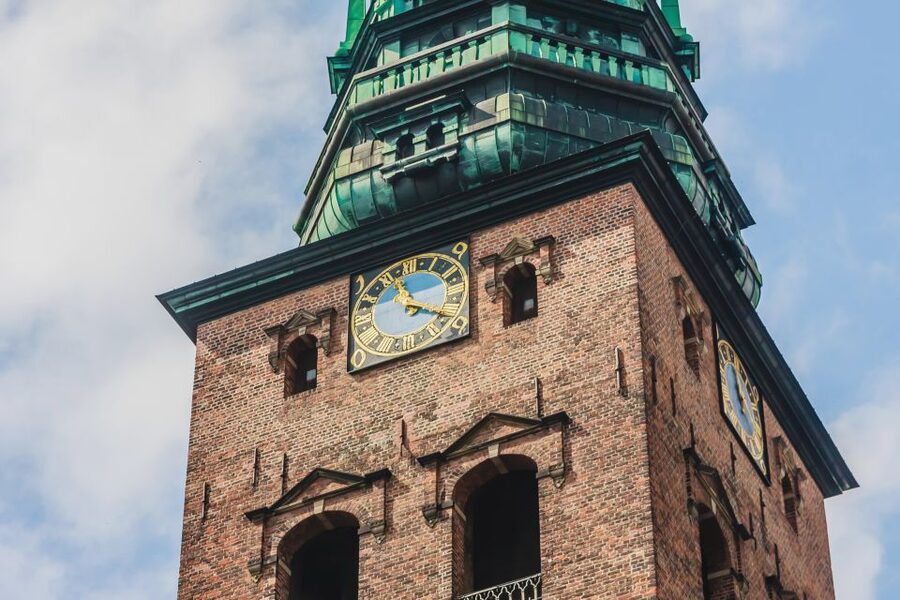
- Højbro Plads and Nikolaj: quick stops that set the tone
- Pistolstræde and Kongens Nytorv: the city in “how people live” mode
- Nyhavn and the canal view: famous frontage, useful context
- Rosenborg Castle gardens: royal scenery without the rush
- Bredgade and the Marble Church: what makes Marmorkirken feel big
- Amalienborg Palace: a royal address with a lived-in feel
- Gefion Fountain and the Kastellet approach: from postcard to fortifications
- The Little Mermaid finish: your final photo, with realistic expectations
- Pace, comfort, and what to wear for 210 minutes
- Price and value: when $133 per person makes sense
- Who this tour fits best, and who might want something else
- Should you book Copenhagen Highlights and Secrets?
- FAQ
- Where is the meeting point?
- Where does the tour start?
- How long is the tour?
- Is this tour private?
- What languages are the guides?
- Is the Danish pastry and coffee included?
- Which places are included on the route?
- What is the ending point?
- Is the tour wheelchair accessible?
- Do I get help getting to transit at the end?
Key moments worth centering in your plans
- Rosenborg Castle gardens: you get a calm pause in the middle of the city, not just photos at the gate.
- Amalienborg Palace surroundings: a royal-residence feel that still reads like a lived-in neighborhood.
- Marmorkirken and its Marble Church story: impressive sightlines plus the background that makes it more than a pretty building.
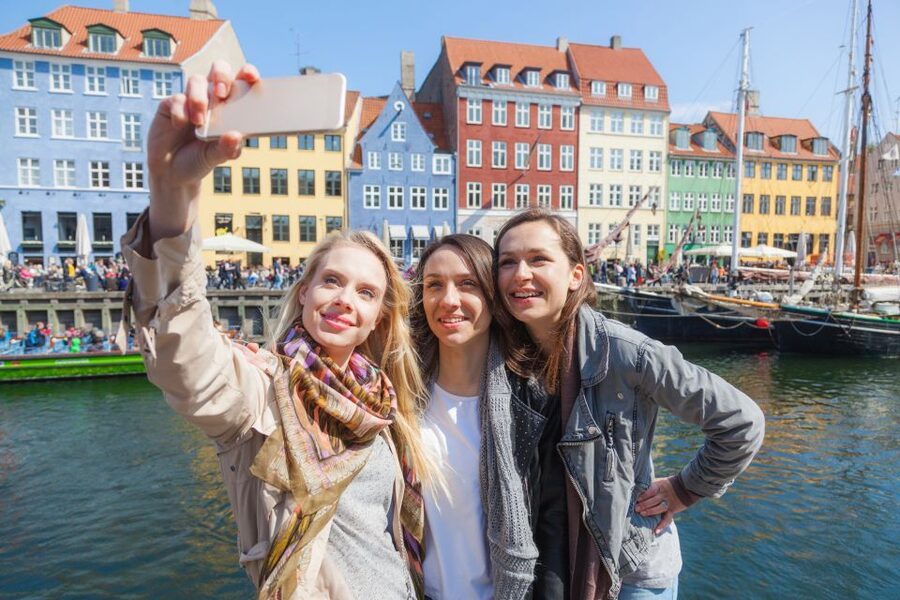
- Nyhavn and the canal walk mood: you see the famous harbor frontage, but with context on what you are actually looking at.
- The Gefion Fountain and Kastellet entry area: it shifts from postcard Copenhagen to the city’s older defensive layout.
- Finish at the Little Mermaid: your grand finale is timed so you end at the monument, not far away from it.
From El Cava meet-up to Niels Bohr Birthplace start
This tour starts at Niels Bohr Birthplace, but you meet your guide at the El Cava restaurant by the green benches. That little detail matters because Copenhagen can look simple until you are hunting for the exact meeting point.
Right away, you are in Copenhagen’s “meaning behind the scenes” mode. You are not just ticking off landmarks. You are learning how the city developed its modern identity alongside older civic places, churches, and royal sites.
Even more walking tours in Copenhagen:

Højbro Plads and Nikolaj: quick stops that set the tone
Next up is Højbro Plads for a guided walk-through, then Nikolaj, Copenhagen Contemporary Art Center. Nikolaj matters because it is a former church space that now hosts contemporary art, so you get a clear example of how Copenhagen reuses major buildings instead of forgetting them.
This is also a smart time to get oriented. Your guide can point out how streets link up, where the canals shape movement, and what parts of the city feel more local even when the sights look tourist-friendly.
Practical note: these early segments are shorter, so if you have questions, this is when to ask. Ask about what you should see next in the same areas, since the tour’s route will already be creating your personal map.
Pistolstræde and Kongens Nytorv: the city in “how people live” mode
You will pass through Pistolstræde, then reach Kongens Nytorv, a favorite meeting place for Danish people. This is where the tour shifts from monumental sights to daily rhythm.
What I like here is the attention to mood. Copenhagen’s public squares feel usable, not just decorative. Kongens Nytorv is a good place to watch how people move, pause, and meet without rushing.
Because this is a private tour, the pace can feel more natural than the usual group herd. If you want extra time to observe, you can usually ask, and a guide can steer you toward the small streets that keep showing up as “why this feels different” during the walk.
Nyhavn and the canal view: famous frontage, useful context
Nyhavn is the colorful harbor you expect, with guided time built in. The difference on a tour like this is that you do not just look at the houses and call it a day.
You also get context through the route. Your guide connects what you are seeing to Copenhagen’s history and its modern reputation, which helps Nyhavn feel less like a photo stop and more like a window into how the city thinks about water and public space.
If you like the idea of returning later for photos, this is a great first pass. You will learn where to stand, what angles show the most, and how to avoid spending your whole evening there doing the same thing twice.
Even more Things to Do in Copenhagen
- Copenhagen Card-Discover: 80+ Attractions & Public Transport
★ 4.6 · 5,351 reviews - Copenhagen: Hop-On Hop-Off Bus Tour with Boat Tour Option
★ 3.9 · 4,122 reviews - From Copenhagen: Lund and Malmö 2-Country Tour
★ 4.7 · 3,807 reviews
Rosenborg Castle gardens: royal scenery without the rush
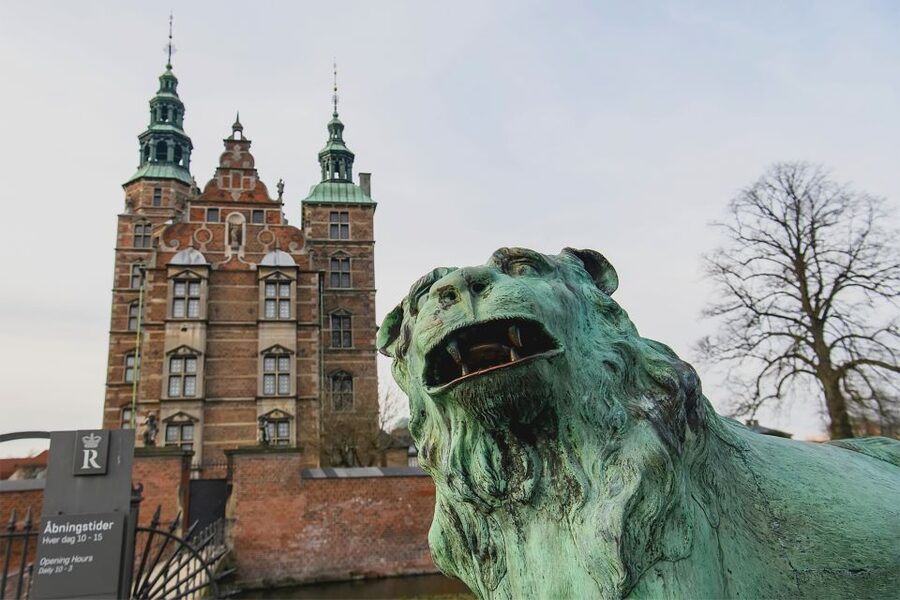
After Nyhavn, you walk toward Rosenborg Castle and its gardens. This is one of the tour’s best “reset” moments because castle grounds tend to bring breathing room even in a busy city.
I like that you are not treated like you must rush through. The gardens give you a chance to slow down, look at symmetry and layout, and understand why this kind of space matters in a city known for design.
If you are the kind of person who loves architecture details, your guide can help you interpret what you see instead of just identifying it. And if you are more casual, you still get the payoff, because the gardens look good at walking speed.
Bredgade and the Marble Church: what makes Marmorkirken feel big
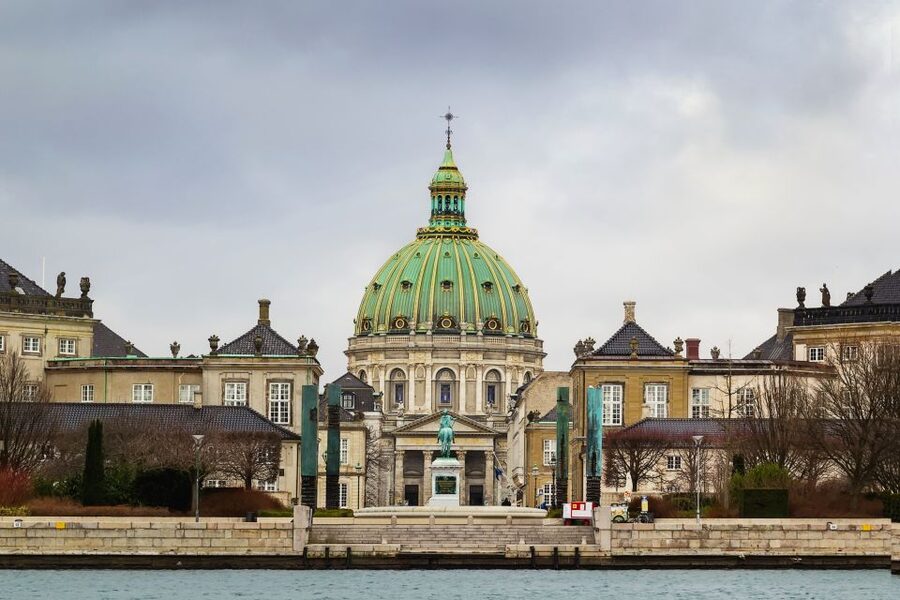
Bredgade comes next, then the Marmorkirken, also called the Marble Church. This is where the tour helps you turn an impressive building into a memorable story.
Marmorkirken is famous, but the value of a guided stop is understanding its significance and how it fits into Copenhagen’s broader mix of old and new. You end up seeing more than the exterior because the guide helps you look for the details that people miss when they only have a quick self-guided moment.
This segment also works well for me as a traveler because it is a change of pace. After squares and harbor views, you get something vertical and detailed.
Amalienborg Palace: a royal address with a lived-in feel

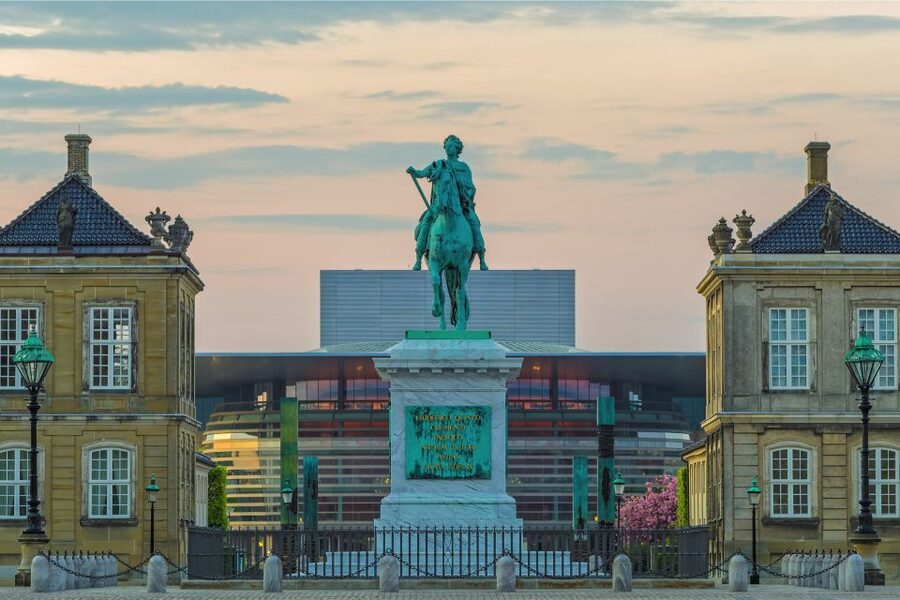
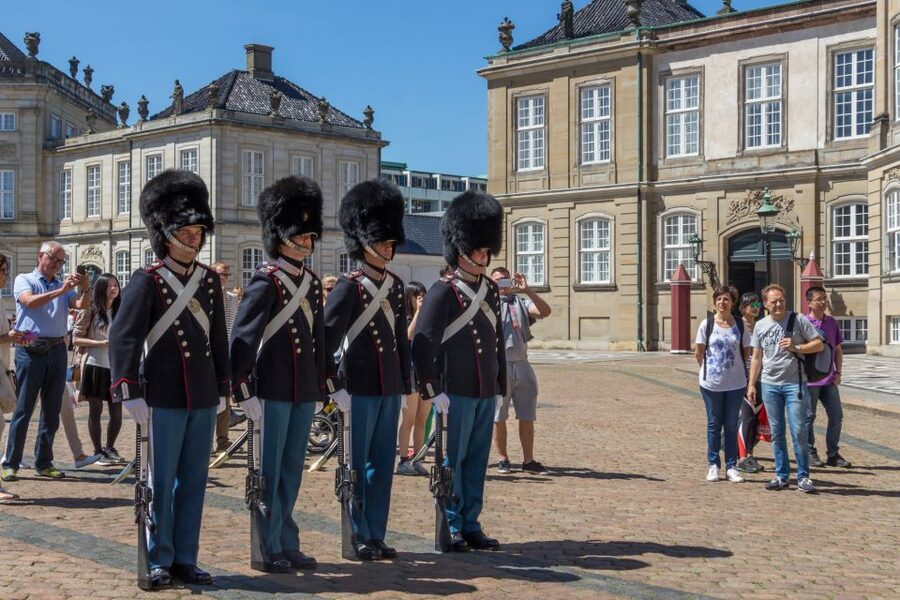
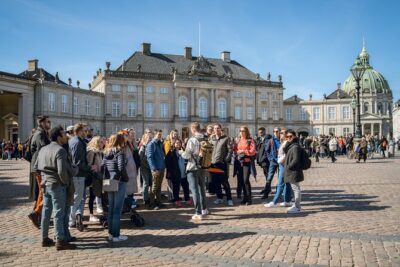
Then it is on to Amalienborg Palace. The tour focuses on the gardens and palace surroundings, so you are not only looking at the gates. You also get the feel of this as a residence, not an isolated museum.
The best part of this stop is how it links back to everyday Copenhagen. Even though the palace area is royal, the space around it reads as public and accessible in a way that makes you want to keep exploring on foot.
If you have limited time in the city, Amalienborg is one of those “worth it even if you do not usually care about palaces” places, mainly because the setting and surrounding streets make it feel like part of the city’s flow.
Gefion Fountain and the Kastellet approach: from postcard to fortifications

Next you reach the Gefion Fountain, then the entrance area to the old Kastellet fortress. This is a smart pivot in the route because it shifts you away from the most obvious picture stops and toward Copenhagen’s older structure.
Gefion Fountain is quick, but it is visually strong. Then Kastellet gives you that “wait, this city has layers” feeling. Fortified layouts are not just military relics here. They shape how neighborhoods and paths developed around them.
This part of the tour is especially good if you like urban planning and street layouts, because it shows how Copenhagen’s design choices keep influencing where you walk today.
The Little Mermaid finish: your final photo, with realistic expectations
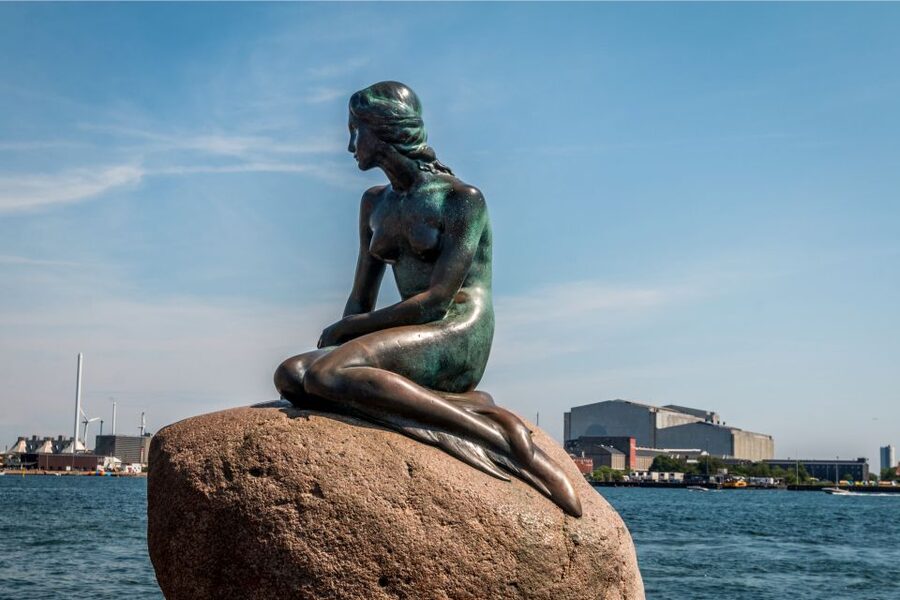
The tour ends at the Little Mermaid statue. It is Copenhagen’s most visited monument in Denmark, so your expectations should be simple: this is a must-see icon, even if it is not massive.
A useful reality check from past tour experiences I saw: the statue can feel small compared with the legend. So I recommend treating it as a timed finale for photos and a quick moment of reflection, then plan to continue your walk afterward rather than waiting around for it to be something it is not.
What I like about ending here is logistics. You finish exactly where most people want to be, so your next steps are easy to manage. And if you need help, your guide will accompany you to the nearest station for support.
Pace, comfort, and what to wear for 210 minutes
Plan for a 3-hour walking block, with multiple short guided segments. That kind of schedule is great for first-time visitors, because you get structure without committing to a full day of walking.
Bring shoes you trust. You are moving through different types of terrain, and you will want to enjoy the stops without thinking about foot pain. Also bring a light layer. Copenhagen weather can change fast, and you do not want to spend the best part of the tour shivering.
If you are traveling with mobility needs, the good news is that the tour is listed as wheelchair accessible. Even then, you should consider that it is still a walking route with stops, so it helps to confirm what will be practical for your specific chair or assistant needs.
Price and value: when $133 per person makes sense
This tour is $133 per person for a private group, lasting about 3 hours. That price will feel high if you are comparing to budget group walking tours with lots of people sharing one guide.
Here is when it tends to feel like good value: when you want a route with personal pacing, you want someone to translate what you see, and you want your time to feel efficient. Copenhagen is easy to get lost in just enough to waste energy, and a private guide helps you avoid that. It is also easier to ask questions, take short breaks, and adjust your attention to what matters most to you.
If you are booking as a couple or small group, the private format can become a smarter deal than it first looks. You are paying for fewer people and more “your tour,” not a mass-produced script.
Who this tour fits best, and who might want something else
This is a strong fit if you:
- want a first-pass orientation that still includes more than the obvious hits
- care about design, architecture, canals, and how public spaces work
- like walking at a steady pace with frequent context
- want a guide who can steer you toward what to explore next
You might consider a different option if you:
- hate walking for long stretches
- only want one or two sights and would rather stay put in one neighborhood
- are planning to spend most of your day inside museums, since this tour is outdoors and streets-focused
Should you book Copenhagen Highlights and Secrets?
I would book it if you want a smart, local-guided route that connects famous places like Nyhavn and Marmorkirken with quieter city logic like Gefion Fountain and the Kastellet entry area. The added pastry and coffee in the full option is also a nice Copenhagen touch that does not require you to hunt for it.
Book it even more confidently if you like guided storytelling that helps you see meaning in what you are standing in front of. This is the kind of tour where you leave with a better sense of how Copenhagen works, not just a photo memory.
FAQ
Where is the meeting point?
Meet your guide in front of the El Cava restaurant by the green benches.
Where does the tour start?
The tour starts at Niels Bohr Birthplace.
How long is the tour?
The tour lasts about 3 hours, or 210 minutes.
Is this tour private?
Yes, it is a private group tour.
What languages are the guides?
The live tour guide offers English and Danish.
Is the Danish pastry and coffee included?
Danish pastry and a coffee are included only in the Full Option.
Which places are included on the route?
The route includes stops at places such as Rosenborg Castle, Amalienborg Palace, Marmorkirken (Marble Church), Gefion Fountain, Kastellet area, Nyhavn, and St. Nicholas Church as part of the Contemporary Art Center stop, plus a finish at the Little Mermaid.
What is the ending point?
The tour ends at The Little Mermaid.
Is the tour wheelchair accessible?
Yes, the tour is listed as wheelchair accessible.
Do I get help getting to transit at the end?
Yes. From the endpoint, your guide will accompany you to the nearest station if you need assistance and will offer tips to help you get the most out of your visit.
The latest around Copenhagen
- Copenhagen: Guided Tour of Vesterbro and Christianshavn★ 5.0 · 1 review
- Stevn Klint UNESCO Heritage Tour and Vikingborg Fort.★ 5.0 · 1 review
- Historical Pod Walk Tour on the Slaves of Copenhagen★ 5.0 · 1 review
- Copenhagen Old Town, Nyhavn, Canal Walking Tour & Christiana★ 5.0 · 1 review
- Queer Copenhagen Historical Tour★ 5.0 · 1 review
- Castle Island’s Royal History: A Self-Guided Audio Tour of Slotsholmen★ 5.0 · 1 review
Walking Tours, compared.
Politically Incorrect Private Highlights Walking Tour
Read our review →
Group Walking Tour – City Highlights – 2 Hours
Read our review →
3h walking tour, small group max 10 people Copenhagen
Read our review →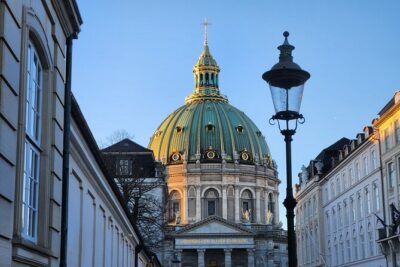
Walk & Canal Tour: Copenhagen Highlights + Changing of the Guards
Read our review →
Browse the lists this tour appears in