
Reviewed · CANAL & HARBOUR BOAT TRIPS
Copenhagen: Harbor Architecture Private Walking Tour
Harbor buildings tell Copenhagen’s story fast. This 2-hour private walk zooms in on the city’s port front, with standout views around Nyhavn and modern landmarks like Operaen. Two things I really like are the close-up waterfront angles for photos and the way the guide connects architecture to everyday Copenhagen life.
You start near Ofelia Plads and get a guided route that mixes classic canal life with newer design moves. I especially enjoy how the guide’s storytelling makes the buildings feel less like random sights and more like clues about how Copenhagen changed over time, including the World Capital of Architecture 2023 angle.
One consideration: this is a true walking tour, and it is not suitable for people with mobility impairments or wheelchair users. If you need step-free routes and long rest breaks, you may want a different style of tour.
In This Review
- Key things that make this Copenhagen harbor tour worth it
- Copenhagen harbor architecture in two hours, the big picture
- Meeting at Ofelia Plads, then down the waterline
- Nyhavn’s canal feel, and the 17th-century port stories you should listen for
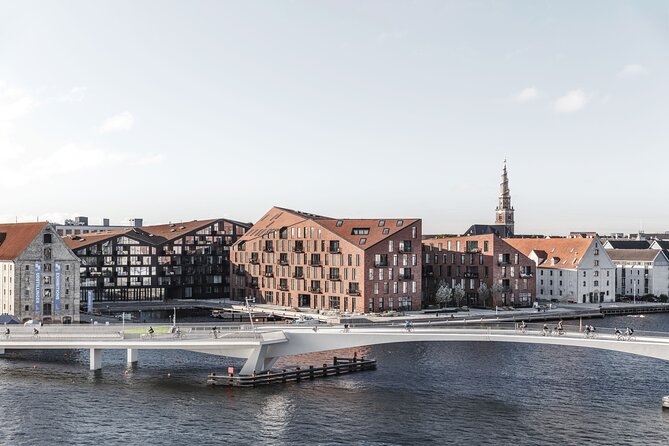
- Krøyers Plads to Papiroen, when an old paper mill becomes a new public space
- Operaen on the waterfront, Copenhagen’s modern landmark since 2005
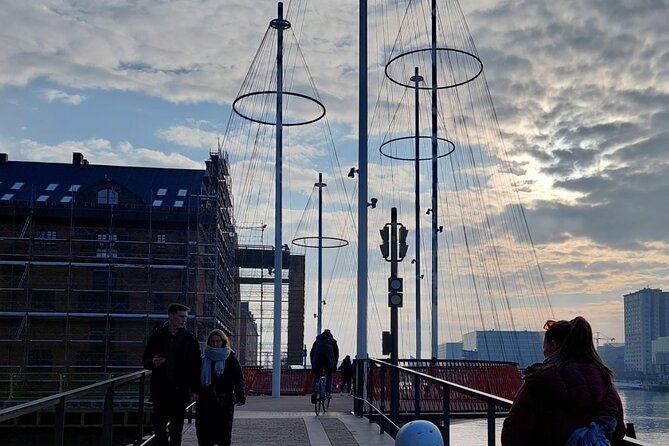
- Cirkelbroen, the pedestrian bridge inspired by circles of life
- Royal Library of Denmark photo stop, a quick pause with payoff
- Danish Architecture Centre, turning what you saw into real context
- Price and logistics, and whether it’s good value for two
- The guide factor: why the best part is usually the telling
- Should you book this Copenhagen harbor architecture private walking tour?
- FAQ
- How long is the Copenhagen harbor architecture private walking tour?
- Is this tour private?
- What is the meeting point for the tour?
- Where does the tour finish?
- What places are included in the tour?
- Is the tour guided in English or another language?
- What is included in the price?
- What is not included?
- Will the tour run in bad weather?
- Is it suitable for wheelchair users or people with mobility impairments?
Key things that make this Copenhagen harbor tour worth it
- Private group attention for up to 2 people, so you can ask questions as you go
- Classic to modern in one route, from 17th-century Nyhavn to Operaen and contemporary bridges
- Cirkelbroen’s design story, including the circles of life idea behind the pedestrian bridge
- Papiroen’s paper mill transformation, where industrial history meets new public space
- Architecture stops with photo time, including a picture break at the Royal Library of Denmark
- Danish Architecture Centre visit, where you can make sense of what you just saw outside
Copenhagen harbor architecture in two hours, the big picture
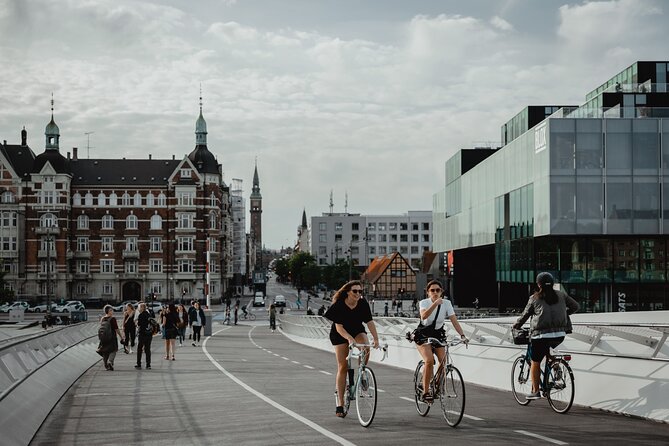
Copenhagen’s harbor area is where the city shows its work. You can literally watch the timeline of Denmark through buildings, materials, and how people use the waterfront today.
This tour is short on purpose. In two hours, you will not get a whole-day museum treatment. Instead, you get a tight story arc: start with the historic port feel, then move into Copenhagen’s newer architecture and redevelopment projects. That makes the walk a smart choice if you want design context without turning your day into a schedule marathon.
And yes, the World Capital of Architecture 2023 idea matters here. Copenhagen is famous for treating design like public policy. The harbor is one place where that shows up clearly, especially where old structures were reused or where new buildings were built to fit the water, light, and city rhythm.
More time on the canals and harbour:



Meeting at Ofelia Plads, then down the waterline
You meet at the Scandic Hotel right on Ofelia Plads. From there, the walk starts around Sankt Annæ Pl. 21, and you ease into the harbor zone at an unhurried pace.
One reason this start works is that you are already in the right setting for the day’s theme. Ofelia Plads sits close to Nyhavn, so the guide can set the tone early, then you can compare what you see immediately: old waterfront buildings, canal life, and the way the city rethinks space as you move along the harbor.
Also, you get the practical stuff right. Bring water, wear comfortable clothes, and plan for rain or shine. Copenhagen can shift weather fast, so pack a light layer. You will be glad you did once the wind off the water starts doing its thing.
Nyhavn’s canal feel, and the 17th-century port stories you should listen for
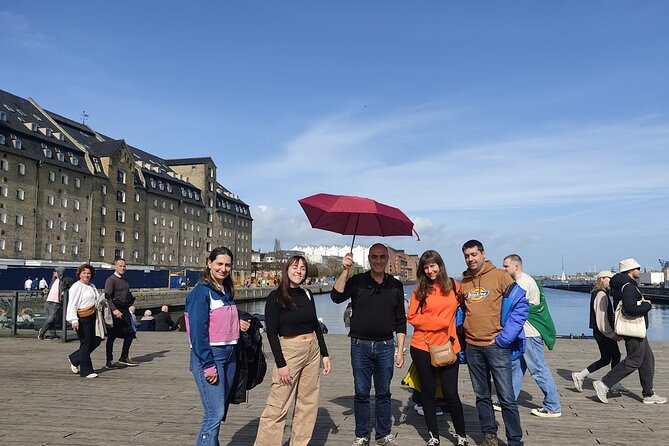
Nyhavn is the headline stop for a reason. You are stepping into a 17th-century waterfront district made of colorful houses, active restaurant life, and canal energy.
What I like about this part is that the guide does not treat Nyhavn like a postcard. You get the origin story of the area as a busy port, then you hear the kinds of details that help you see the place differently. If you pay attention, you start noticing how the architecture supports the water economy, and how the harbor became a magnet for artists and writers over time.
Nyhavn also sets up contrast for the rest of the tour. When you later reach newer landmarks, you will better understand what changed: not just the style of buildings, but how the city designed for people, culture, and public access along the waterfront.
Photo tip: if the weather is good, aim to shoot from slightly back from the water edge. You get the canal depth and the facades without turning it into a blurry sprint for your camera.
Krøyers Plads to Papiroen, when an old paper mill becomes a new public space
After Nyhavn, you move through the harbor zone toward Papiroen, a neighborhood that has a very specific origin. It used to be a paper mill, and it was transformed into a lively new area while trying to preserve the industrial heritage.
This is one of the tour’s best “architecture-as-a-lesson” moments. You get to see how a former production space can be adapted for modern use, rather than erased completely. The guide helps you understand the redevelopment logic, including how the market buildings contribute to the neighborhood feel and how the harbor views play into the design.
Why this matters to you: redevelopment like this is not just about aesthetics. It affects how people gather, where foot traffic goes, and what kind of daily life you experience in the area. When you understand that, Papiroen feels less like a stop on a list and more like a case study you can carry home.
Even more walking tours in Copenhagen:
- Private Walking Grand Tour of Copenhagen
★ 5.0 · 3,953 reviews - Copenhagen Highlights Walking Tour
★ 5.0 · 2,324 reviews - Politically Incorrect Private Highlights Walking Tour
★ 5.0 · 1,244 reviews
Operaen on the waterfront, Copenhagen’s modern landmark since 2005
Then comes Operaen, the modern performance space that quickly became one of Copenhagen’s cultural icons. It was completed in 2005, and the building has that confident modern look you notice from the harbor.
The guide’s job here is to connect form to setting. You learn that the design was inspired by the surrounding harbor, plus Denmark’s cultural heritage. That combination is why Operaen feels more integrated than a lot of “big new landmark” buildings you might see in other cities. It belongs to the water and the city, instead of sitting apart from it.
This stop also gives you a strong visual anchor for the day. After walking past historic waterfront energy and industrial reuse, Operaen shows the next chapter: large-scale public design on display right where everyone can see it.
If you want a simple strategy, do it like this: look at how the building meets the harbor line, then look again at how the massing relates to the skyline around it. The guide will point out the details, and your eyes will start doing the same pattern-matching.
Cirkelbroen, the pedestrian bridge inspired by circles of life
Next is Cirkelbroen, the pedestrian bridge with an inventive design theme. It is built to connect the harbor sides while offering a distinctive architectural experience.
The key idea you will hear is that the bridge design was inspired by the circles of life. That theme might sound conceptual, but on-site you start seeing the logic. The bridge becomes more than a crossing. It becomes a moving viewpoint that frames what is on either side of the harbor.
I like this stop because it is hands-on architecture. You are not just standing and looking up. You are walking through a piece of design that is meant for everyday use. You get the feeling of how architecture supports human scale, not only grand city visions.
Practical photo note: if the wind is strong, pause for photos briefly and step back. The bridge is a great vantage point, but you do not want to plant yourself awkwardly and end up spending your energy fighting gusts.
Royal Library of Denmark photo stop, a quick pause with payoff
You will have a photo stop at the Royal Library of Denmark. Even though it is a shorter break, it is a useful one because it shifts the focus slightly from pure waterfront structures to Copenhagen’s broader architectural identity in public life.
This pause is also a chance to regroup. Your feet will likely be fine, but you are two hours into Copenhagen at walking pace. Use the time to reset your posture, refill your water, and take a couple of photos from a spot where you can frame the building without squeezing.
Danish Architecture Centre, turning what you saw into real context
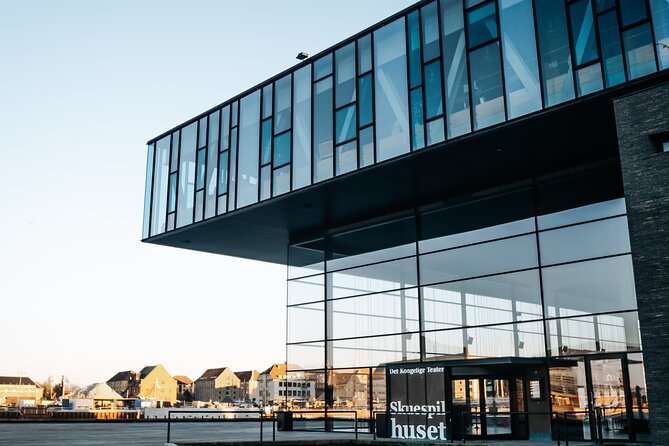
The tour finishes with a guided visit at the Danish Architecture Centre. This is a smart ending, because it helps you interpret the outdoor details you just saw.
The center is where you start connecting the dots: why harbor redevelopments happen in specific ways, how design choices affect public movement, and why Copenhagen’s architecture story includes both preservation and new construction. Even if you only have a short stop here, it still changes how you process what you encountered along the water.
If you like architecture, this is the kind of ending that gives you something to talk about later. Instead of just naming buildings, you can explain what kind of decisions were behind them.
Also, the tour ends at Islands Brygge 4, 2300 København. That means you can continue your day without feeling “stuck” at some far-off starting point. Islands Brygge is a good area to extend the harbor walk on your own if you want a few extra minutes of waterfront time after the guided portion.
Price and logistics, and whether it’s good value for two
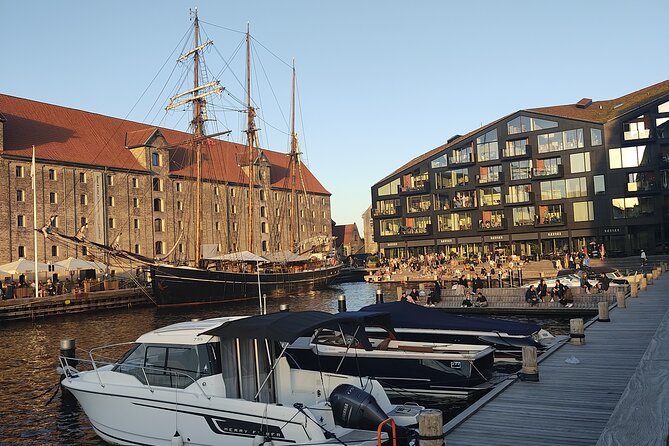
The price is $394 per group for up to 2 people, and the tour runs 2 hours. That means if you book as a couple or two friends, the cost can feel more reasonable than a higher per-person price model, because you are paying for private guide time rather than joining a larger busier group.
What you get for that time is not just sights. You get guided interpretation of the harbor architecture theme across multiple landmarks, including Nyhavn, Papiroen, Operaen, Cirkelbroen, and the Danish Architecture Centre, plus a photo stop at the Royal Library of Denmark.
The other factor is learning curve. If you already like design, a guided walk saves you effort. You spend your energy looking, not trying to guess what you are looking at. And if you are less “architecture-brained,” the storytelling makes the buildings readable.
For language: the tour guide offers English and Spanish. You can choose what fits you best. The guide is live the whole time, and it is rain or shine, so you will want gear that keeps you comfortable.
One more small value point: the tour is described as a private group. That usually means the guide can pace the route to your group, not the average of a random mix of people. In Copenhagen, where details matter, that helps.
The guide factor: why the best part is usually the telling
The most praised element in the provided feedback is the guide’s delivery. One guide name that stands out is Dalit, noted for enthusiasm and for making Copenhagen shine brighter through the storytelling.
That matters because harbor architecture can look like “just buildings” if you rush through it. A good guide turns it into a map of ideas. You start noticing design choices you might otherwise miss, like how redevelopment respects industrial pasts, or how a modern landmark like Operaen ties back to the water and cultural identity.
If you are the type who likes learning while walking, this tour format is a strong match. You can ask questions as you go, and the guide can adjust the focus based on what you pause to look at.
Should you book this Copenhagen harbor architecture private walking tour?
Book it if you want an architecture-focused harbor experience that is paced for understanding, not for checking boxes. It is especially worth it if you are excited by contrast, historic waterfront energy at Nyhavn, then modern Copenhagen moments at Operaen and Cirkelbroen, then a practical interpretive stop at the Danish Architecture Centre.
Skip it or choose carefully if mobility is an issue for you, because the route is not suitable for wheelchair users or people with mobility impairments. Also, because it runs rain or shine, decide now if you are comfortable walking outdoors in changeable weather.
If you do book, go in with a simple mindset: slow down for the guide’s points, take a few photos, and let the stories connect the buildings. This is the kind of tour that can make you leave with a new way to look at Copenhagen’s waterfront, not just a set of pictures.
FAQ
How long is the Copenhagen harbor architecture private walking tour?
The tour lasts 2 hours.
Is this tour private?
Yes, it is a private group tour.
What is the meeting point for the tour?
The meeting point is in front of the Scandic Hotel right on Ofelia Plads.
Where does the tour finish?
The tour finishes at Islands Brygge 4, 2300 København, Denmark.
What places are included in the tour?
The tour covers Nyhavn, Papiroen, Operaen, Cirkelbroen, and the Danish Architecture Centre, and it includes a photo stop at the Royal Library of Denmark.
Is the tour guided in English or another language?
The live tour guide is available in English and Spanish.
What is included in the price?
Included items are the guide and the walking tour.
What is not included?
Not included are hotel pickup and drop-off, and food and drinks.
Will the tour run in bad weather?
Yes, the tour takes place rain or shine.
Is it suitable for wheelchair users or people with mobility impairments?
No, it is not suitable for wheelchair users or people with mobility impairments.
The latest around Copenhagen
- Copenhagen: Guided Tour of Vesterbro and Christianshavn★ 5.0 · 1 review
- Stevn Klint UNESCO Heritage Tour and Vikingborg Fort.★ 5.0 · 1 review
- Historical Pod Walk Tour on the Slaves of Copenhagen★ 5.0 · 1 review
- Queer Copenhagen Historical Tour★ 5.0 · 1 review
- Castle Island’s Royal History: A Self-Guided Audio Tour of Slotsholmen★ 5.0 · 1 review
- Copenhagen Old Town, Nyhavn, Canal Walking Tour & Christiana★ 5.0 · 1 review
Canal & Harbour Boat Trips, compared.
Hop-On Hop-Off Bus Tour with Boat Tour Option
Read our review →
Copenhagen Sightseeing Classic Canal Tour With Live Guide
Read our review →
Social Sailing – Copenhagen Canal Tour – Captain’s Favorite
Read our review →
Walk & Canal Tour: Copenhagen Highlights + Changing of the Guards
Read our review →
Browse the lists this tour appears in