
Reviewed · CITY TOURS
Copenhagen: City Highlights Walking Tour with Local Guide
First impressions matter, and this tour gets you oriented fast. I like the mix of iconic sights and small-course context, all paced by a real local guide. The highlights hit the places you already came to see, like the Little Mermaid and Nyhavn, but the real win is how the guide ties them together. Guides such as Simona and Luiza bring real energy, and that makes a short walk feel like a proper start to your trip.
What I especially like is the private and customizable format. If you go that route, you can steer the day toward what you care about, and the guide can set the rhythm for your group. I also like that the tour includes practical next-step advice, from what to prioritize after this walk to where to eat and how to move around more easily.
One thing to consider: this is a 2-hour highlights walk. Weather, questions, and how the group keeps moving can shift the time at each stop, so if you are the type who wants long, stop-and-stare museum time, you may want a longer follow-on plan.
In This Review
- Key things that make this Copenhagen walk worth your time
- Two hours in Copenhagen, without the overwhelm
- Meeting at Studiestræde 52, then sliding into Toldboden
- Gefion Fountain and the Little Mermaid, with story time included
- Kastellet bastion viewpoints, plus the pleasure of solid walking structure
- Amalienborg Palace and the royal center that feels close-up
- Frederiks Kirke (Marmorkirken) and the Opera House, Copenhagen’s contrast in one loop
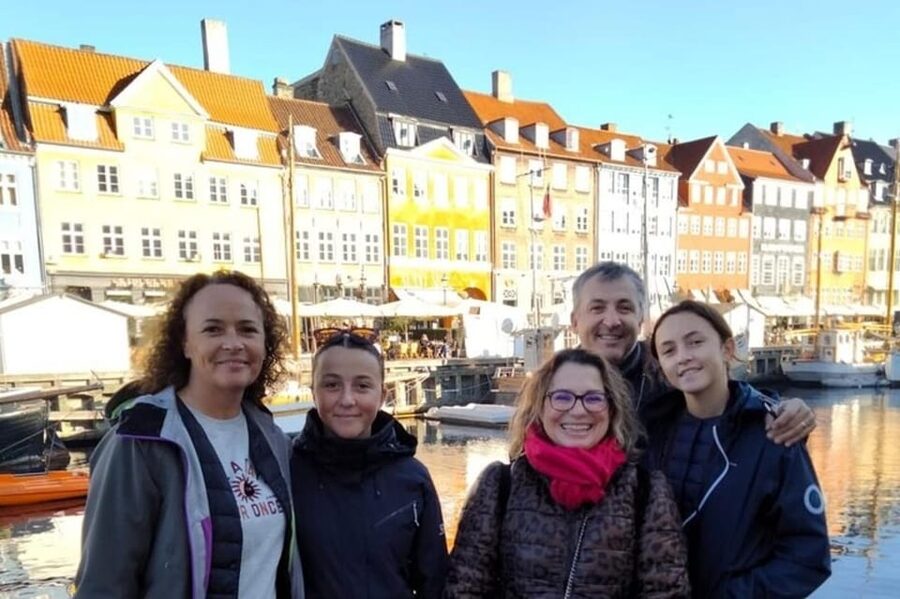
- Nyhavn and King’s Square, where the city’s vibe gets personal
- Private vs small-group: what changes on the ground
- Price and pacing: $47 for a short start that can save hours
- What you should bring, and how to make the most of it
- Who this Copenhagen highlights tour is best for
- Should you book this Copenhagen city highlights walking tour?
- FAQ
- How long is the Copenhagen City Highlights Walking Tour?
- Where do I meet the guide?
- Is there a private option and can the tour be customized?
- What languages are available for the live guide?
- Is the tour wheelchair accessible?
- Is public transport included?
- What should I wear or bring?
Key things that make this Copenhagen walk worth your time
- Toldboden start gives you an easy, charming warm-up before the big landmarks
- A guide who customizes your route, rather than marching everyone on rails
- Little Mermaid context that goes beyond the photo, with a story you can remember
- Kastellet viewpoints for that “wow, this city makes sense” perspective
- Nyhavn and King’s Square for atmosphere, photo angles, and quick historical grounding
- Small-group or private pace helps you ask questions without getting left behind
Two hours in Copenhagen, without the overwhelm
Copenhagen can feel like a lot at first. There are canals, castles, churches, statues, and the kind of design that makes you want to take photos of everything. This tour gives you a focused loop through the city center so you leave knowing where things are and why they matter.
The value is in the pairing of sights with guidance. A walking tour is not just a checklist here. You get a local’s take that helps you connect what you see with what you’ll want to do next, like where to head after the walk and how to plan the rest of your time.
And yes, the sights are the headline. But the guide is the product. People really respond to that part: guides like Mood and Simona are repeatedly described as friendly, engaging, funny, and organized. That kind of energy is not fluff. It keeps the pace moving on a cold day and turns a short walking window into a satisfying start.
Even more walking tours in Copenhagen:



Meeting at Studiestræde 52, then sliding into Toldboden
You meet your guide at Studiestræde 52, which is an easy “start point” if you are already staying in central Copenhagen. The early minutes matter because you want your legs, your timing, and your bearings to line up before you hit the major photo stops.
From there, the route moves through Toldboden, a charming district that gives you a calm lead-in. It’s the kind of area where you can feel the city’s waterfront energy without immediately being surrounded by the biggest tourist crowds. There’s also the option of a coffee stop early on, which is a simple but smart touch. It helps you reset before you start making those photo stops where you might otherwise rush.
I like this opening because it sets tone. You’re not just walking to landmarks. You’re learning how Copenhagen feels, how people flow through streets, and where the water and architecture start showing up as themes.
Gefion Fountain and the Little Mermaid, with story time included

The Gefion Fountain is one of those Copenhagen symbols that looks iconic even before you know anything about it. A good guide uses that moment to explain origins and meaning, so your photo comes with memory, not just pixels.
Then comes the Little Mermaid. This is the stop almost everyone expects, but the best version of this tour is not only about where the statue is. It’s about the story behind it, and the emotional context that makes the landmark more than a selfie wall.
You should know what to expect here: the statue is a quick, picture-friendly moment. The point is not to linger for long. It’s to understand why this figure became a shorthand for Copenhagen’s identity and how the city chooses to frame its past through public art.
If you’re traveling with someone who rolls their eyes at statues, this is where the guide can win them over. When a guide is patient and able to answer follow-up questions, even a familiar icon becomes more interesting.
Kastellet bastion viewpoints, plus the pleasure of solid walking structure
One of the most satisfying parts of a highlights walk is the moment when you realize you’re getting city perspective, not just street corners. Kastellet does that. It’s a well-preserved bastion area where you can see the shape of the city and how the layout supports defense, order, and views.
There are photo stops and a guided pass through, and the pacing is built so you get panoramic moments without turning the tour into a march. Expect short walks, frequent orientation cues, and a guide who points out what to look for right then, like where sightlines open up and how the architecture signals status and planning.
This is also a good stop if you’re the kind of traveler who likes a “why this place exists” explanation. A bastion is not just pretty stone. It’s city engineering, and understanding that makes the rest of the royal and church stops feel more connected.
Even more Things to Do in Copenhagen
- Copenhagen Card-Discover: 80+ Attractions & Public Transport
★ 4.6 · 5,351 reviews - Copenhagen: Hop-On Hop-Off Bus Tour with Boat Tour Option
★ 3.9 · 4,122 reviews - From Copenhagen: Lund and Malmö 2-Country Tour
★ 4.7 · 3,807 reviews
Amalienborg Palace and the royal center that feels close-up
After the viewpoints, the tour moves toward the heart of royal Copenhagen. Amalienborg Palace is regal in a way that hits even if you do not care about royalty. You feel the symmetry, the grandeur, and the way the city holds onto ceremony.
This stop works best when you treat it like orientation plus atmosphere. The guide can point out what makes the palace complex visually distinct and how it functions as a royal home rather than just a postcard.
If your group enjoys history that stays practical, this part is a good fit. You don’t need to memorize dates to understand what you’re seeing. You need to know what role the place played and why the architecture is designed the way it is.
Also, this is a natural time for questions. If you want help translating what you’re looking at into future plans, this is often when that conversation clicks. Guides described as warm and knowledgeable tend to go beyond basic facts here, especially in private or small-group formats.
Frederiks Kirke (Marmorkirken) and the Opera House, Copenhagen’s contrast in one loop

Copenhagen does contrast really well. One minute you’re looking at ornate church architecture, and the next you’re staring at modern design energy. This tour includes both Frederiks Kirke (Marmorkirken) and the Copenhagen Opera House, so you don’t end up with a city that feels one-note.
Frederiks Kirke is all about architectural grandeur. It’s a stop where the guide’s job is to help you see proportion, style, and how the building fits into its surroundings. Even if you skip interiors, you can still come away understanding why it became such a recognizable landmark.
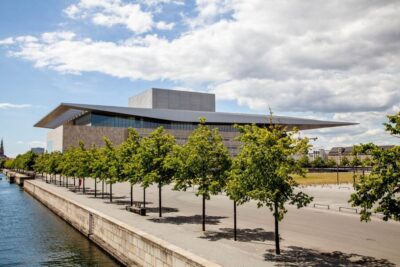
Then the tour shifts toward the contemporary pull of the Opera House. This stop gives you that “Copenhagen is not stuck in the past” feeling. It also helps you understand how the city invests in arts and public-facing modern spaces, not just old monuments.
I like pairing these in a short walking loop because it keeps your brain awake. You won’t feel like the tour is repeating the same visual theme every block. You also get a better sense of how Copenhagen plans space for different eras side by side.
Nyhavn and King’s Square, where the city’s vibe gets personal

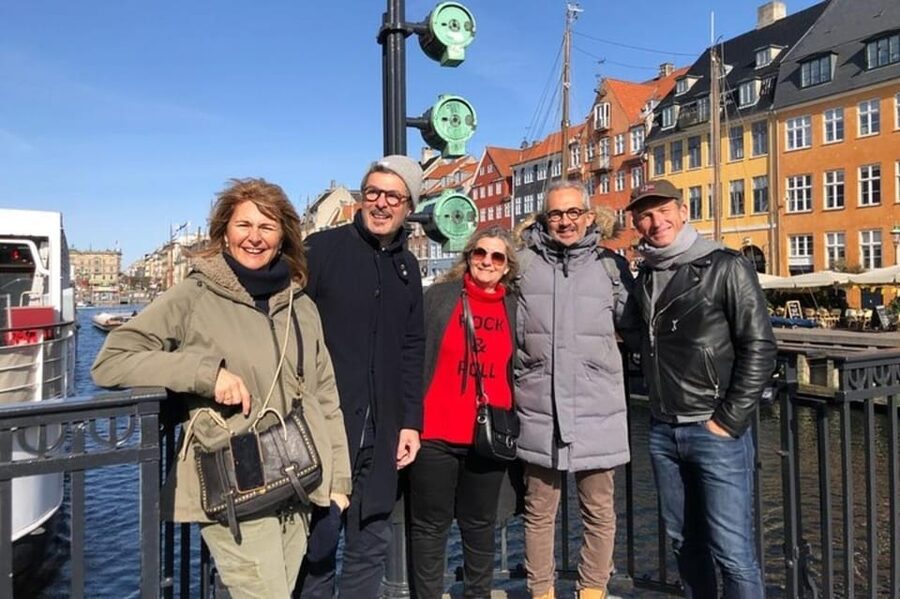
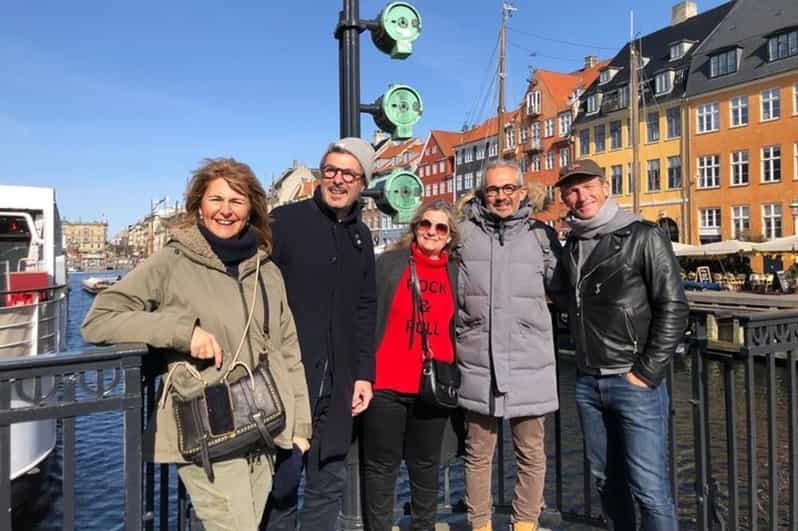
Once you hit Nyhavn, the city becomes more cinematic. The waterfront is framed by classic buildings and stacked energy, so your guide can help you find the angles that make sense and the spots where the atmosphere feels most real.
This is not only about photos. Nyhavn is a place you’ll want to revisit at least once after the tour, because seeing it through your guide’s lens helps you notice details you might otherwise miss, like how the street life lines up with the water and why certain corners feel more social.
Then the tour moves to King’s Square (Kongens Nytorv). This is where the tour becomes more than a walk-by. It’s a chance to understand the area’s historic ambiance and how it fits into Copenhagen’s center. If you want a mental map that tells you where to go next, this stop helps.
Together, Nyhavn and King’s Square act like a closing lesson. You leave with a sense of how Copenhagen’s public spaces work, where crowds form, and where you can slow down later for your own wandering.
Private vs small-group: what changes on the ground
Your choice here really affects how the tour feels.
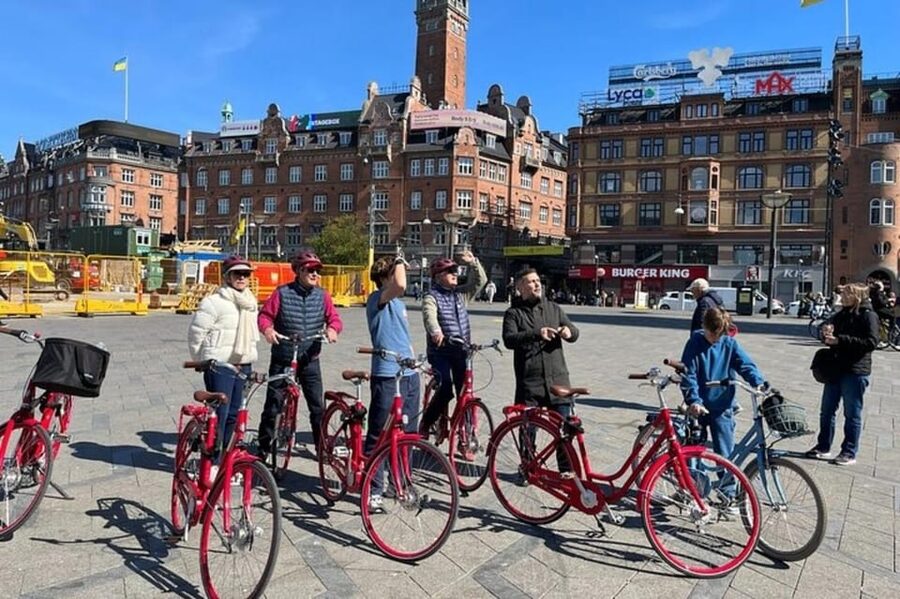
A private tour means the guide can adjust the route and pace to your interests. That’s ideal if you want to move slower, ask more questions, or spend extra time at a particular stop. It’s also great if you have mobility needs that require more frequent pauses, since the tour is set around your group.
A small-group tour can still be personalized, but you’re sharing the rhythm with others. The upside is a bit of social energy, and you may benefit from the group’s questions. The downside is that your guide has to keep everyone moving, which can limit time for your own tangent interests.
Either way, the guide is the driver. In the best versions of this tour, people describe guides like Simona and Luiza as patient and tuned in to the group. That’s what makes the walking part feel effortless rather than rushed.
Price and pacing: $47 for a short start that can save hours
At $47 per person for around 2 hours, this is priced like a first-day orientation tool. The math is not only about the walk. It’s about what you gain afterward: a mental map, practical advice, and a sense of what to revisit.
If you had to do this on your own, you’d spend time figuring out where to go in what order, which stops connect naturally, and how to prioritize based on your interests. Paying for a guide buys you that shortcut, plus you get someone to answer questions in real time.
One consideration is pacing. The tour is timed, and most stops are designed for photo and guided context rather than long stays. If you want to spend an hour at a single site or if you tend to wander without a plan, you might need to treat this as the opening chapter, then build your own longer blocks later.
There was also one piece of feedback that a guide worked less than the paid time. That doesn’t seem to reflect most experiences, but it does remind you to set expectations. If your schedule is tight, plan a buffer afterward so you are not stressed.
What you should bring, and how to make the most of it
The tour is a walking experience, so bring comfortable shoes. That sounds obvious, but it’s the difference between enjoying stops and feeling annoyed by every cobblestone.
Dress for Copenhagen weather, even in seasons where you think it will behave. Some guides have led this kind of highlights loop in snow, and that means you should assume conditions can change quickly. Layers are your friend.
Also, treat this as your question hour. If you want restaurant ideas, how to structure your next day, or where to go for better views, ask. The best guides on this route are the ones who offer advice beyond the landmarks, including recommendations for what comes next.
Who this Copenhagen highlights tour is best for
This tour is ideal if you want a clear start in Copenhagen without building a complex itinerary. It works well for:
- First-time visitors who want the big hits plus local context
- Couples who want an efficient orientation walk
- Families who benefit from a guide keeping the route moving
- Travelers who like asking questions and getting practical advice
If you already know Copenhagen well and you want deep, slow museum time, this might feel too quick. Think of it as a smart overview, not a substitute for longer independent exploration.
Also, because you can go private, it fits groups who want a pace that matches their own comfort level, or who want to focus on particular interests within the city center highlights.
Should you book this Copenhagen city highlights walking tour?
If it helps you start strong, you should. This is one of those tours that makes the city click in a short window, especially if you value the guide’s personality and local recommendations. The strongest part is the combination of iconic stops and stories plus context that make the places easier to revisit later.
Skip it only if you want extended time in just one site, or if you’re the type who hates walking as a format. Otherwise, for $47 and about two hours, you’re buying a fast orientation plus a local perspective that can save you time for the rest of your trip.
If you book, do one simple thing before you go: decide what you want most from your Copenhagen day, royal landmarks, waterfront atmosphere, or architecture. Then tell your guide. That’s when the tour becomes more than a route, it becomes your plan.
FAQ
How long is the Copenhagen City Highlights Walking Tour?
The tour lasts 2 hours.
Where do I meet the guide?
You meet your guide at Studiestræde 52.
Is there a private option and can the tour be customized?
Yes. A private group option is available, and the tour can be customized if you choose the private option.
What languages are available for the live guide?
The live tour guide is available in English, Spanish, Italian, and French.
Is the tour wheelchair accessible?
Yes, it is wheelchair accessible.
Is public transport included?
Yes. Public transport is included as part of the tour.
What should I wear or bring?
Wear comfortable shoes, since the experience is a walking tour. Food, drinks, and entry tickets are not included.
The latest around Copenhagen
- Copenhagen: Guided Tour of Vesterbro and Christianshavn★ 5.0 · 1 review
- Stevn Klint UNESCO Heritage Tour and Vikingborg Fort.★ 5.0 · 1 review
- Historical Pod Walk Tour on the Slaves of Copenhagen★ 5.0 · 1 review
- Copenhagen Old Town, Nyhavn, Canal Walking Tour & Christiana★ 5.0 · 1 review
- Queer Copenhagen Historical Tour★ 5.0 · 1 review
- Castle Island’s Royal History: A Self-Guided Audio Tour of Slotsholmen★ 5.0 · 1 review
City Tours, compared.
Group Walking Tour – City Highlights – 2 Hours
Read our review →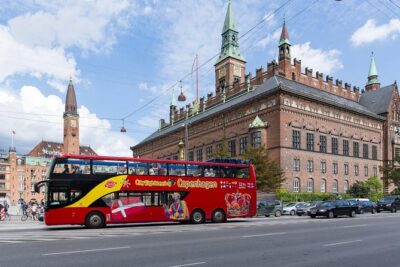
City Sightseeing Copenhagen Hop-On Hop-Off Bus Tour
Read our review →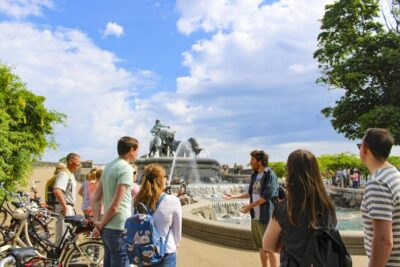

City Card with 40+ Attractions & Hop-On/Off Bus
Read our review →
Browse the lists this tour appears in