
Reviewed · WALKING TOURS
3-Hour Private Copenhagen Walking Tour
Copenhagen shrinks into perfect walking size in 3 hours. I love the way this route strings together Strøget street life and then slows down at Nyhavn by the water. You also get a guide who mixes straight facts with story-style context, so landmarks feel connected instead of like stop-and-snap photos.
The main thing to consider is simple: this is still a walking tour, and it is not a good match if you have mobility limits (or if you need wheelchair access). Expect a leisurely pace with photo breaks, but you should still be comfortable walking for the full 3-hour route.
By the end, you’ll finish in the royal area at Amalienborg, with views toward Marble Church (Frederik’s Church). It starts by the HC Andersen statue by City Hall, and the guide is English-speaking, with plenty of chances to ask questions and steer the focus toward what you actually want to see.
In This Review
- Key takeaways before you lace up
- Why this Copenhagen walking route makes sense
- Starting at HC Andersen Statue, right by City Hall
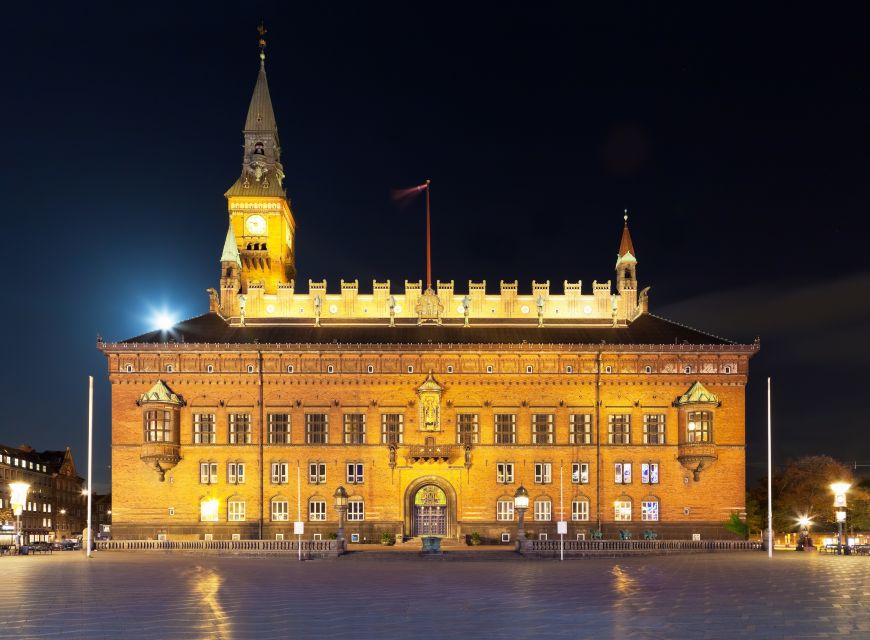
- City Hall Square and the clock tower vibe at Rådhuspladsen
- Strøget: Copenhagen’s pedestrian street, up close
- Gammeltorv and Nytorv, where old squares still steer the day
- Højbro Plads and Christiansborg Palace, power on display
- Nyhavn: the harborfront that reinvented itself
- The Little Mermaid moment, with the Andersen thread
- Amalienborg Palace to close, with Marble Church in view
- What you’ll feel during the 3-hour pacing
- Price and value: $189 per person, what you’re paying for
- Best for you if you want context, not just highlights
- Who should skip it
- Practical tips so you enjoy every stop
- Should you book this private Copenhagen walking tour?
- FAQ
- Where do I meet the guide?
- How long is the tour?
- What is included in the price?
- Is food or drinks included?
- What language is the tour guide?
- Is the tour suitable for wheelchair users or limited mobility?
Key takeaways before you lace up

- Private format for your group, so you can ask questions and move at a comfortable speed
- Strøget + old squares give you Copenhagen’s “main street” energy and its older civic heart
- Christiansborg + democracy in plain sight, where politics and architecture meet
- Nyhavn on foot, a harbor district that changed roles over centuries
- Amalienborg as a finish, with a sense of scale and royal setting right at the end
Why this Copenhagen walking route makes sense
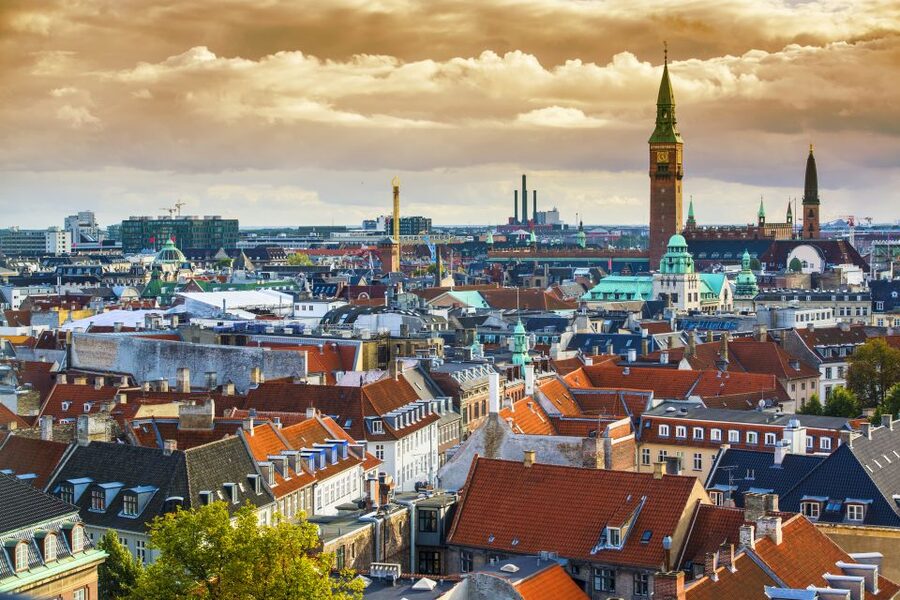
A good city walk does two jobs at once. It helps you learn the layout fast, and it teaches you how the place actually works, socially and historically.
This one hits the “big ideas” of central Copenhagen without turning into a 6-hour marathon. You walk from the City Hall area through the pedestrian core, cross into the palace and government zone, then wind toward the harbor and end at the royal residence.
For the price, here’s the value math I think about: you’re paying for a live English guide for about 3 hours, plus a focused route that keeps you from guessing where to go next. With a private group, you are not stuck listening from the back or competing for attention.
Even more walking tours in Copenhagen:


Starting at HC Andersen Statue, right by City Hall
You’ll meet at the HC Andersen statue by City Hall, specifically the side facing the TIVOLI sign at the City Hall area. It’s a smart meeting spot, because it immediately anchors you in central Copenhagen and puts you near several major points on foot.
From there, the guide sets up the day with quick context, so you understand what you are about to see. That matters, especially in Copenhagen, where many streets look charming but have very specific historical roles.
If you like to take your time with photos, this is a tour style that makes space for it. The pace is described as leisurely, and it is built for travelers who want to look closely rather than just rush between famous buildings.
City Hall Square and the clock tower vibe at Rådhuspladsen

Your route kicks off at City Hall Square (Rådhuspladsen), where the City Hall building and clock tower dominate the scene. This is more than a photo stop. It’s a public heart of the city, where civic life shows up in plain sight.
A good guide here will explain why this square matters, and what kinds of gatherings or city routines have made it a hub over time. The best part is how the stories often connect to nearby streets you’ll walk next, so the square feels like the beginning of a map, not an isolated landmark.
If you want to learn how Copenhagen plans daily movement, you’ll appreciate the “from here, everything makes sense” feeling. The guide’s job is to point out that the architecture and the pedestrian areas are doing something intentional.
Strøget: Copenhagen’s pedestrian street, up close
Then comes Strøget, one of Europe’s longest pedestrian streets. This is where you get the human-scale Copenhagen experience, storefronts, street performers, and the constant rhythm of people moving on foot.
Walking it with a guide changes the way you see it. You’ll notice how the street feels like a designed corridor, not just a busy shopping lane. And you’ll pick up little context about why certain sections are laid out the way they are, plus how the city shapes where people linger.
A big plus from guide styles in past tours is the mix of straight historical facts with personal-sounding anecdotes. One guide was praised for getting that balance exactly right, so you don’t feel like you’re sitting through a lecture while walking.
One practical tip: if you’re interested in shopping or architecture details, bring a moment in your head for sideways glances. You’ll be walking through the “main street” of Copenhagen, and that means the interesting stuff is often at eye level, not just at the far end.
Even more Things to Do in Copenhagen
- Copenhagen Card-Discover: 80+ Attractions & Public Transport
★ 4.6 · 5,351 reviews - Copenhagen: Hop-On Hop-Off Bus Tour with Boat Tour Option
★ 3.9 · 4,122 reviews - From Copenhagen: Lund and Malmö 2-Country Tour
★ 4.7 · 3,807 reviews
Gammeltorv and Nytorv, where old squares still steer the day
As you move deeper into the center, you’ll encounter the area around Gammeltorv and Nytorv. These squares help you understand Copenhagen’s older civic and commercial structure.
I like this stop because it breaks up the long pedestrian stretch. Instead of being stuck in one linear street, you get open space and sight lines, which helps your brain build a better mental model of the city.
You’ll also get an anchor point for the next transition, toward palaces and government buildings. The guide can connect these squares to what later becomes visible around Christiansborg, so the city’s story feels chronological.
Højbro Plads and Christiansborg Palace, power on display
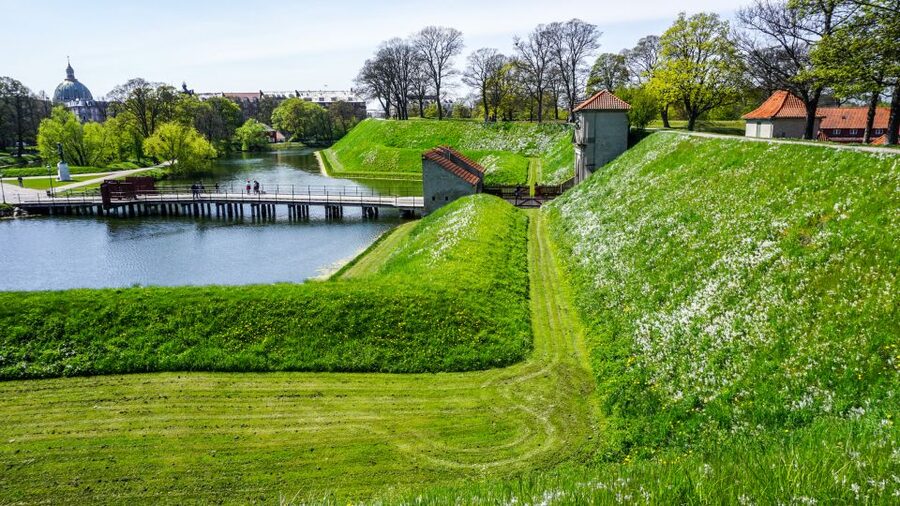
At Højbro Plads and Christiansborg Palace, you move from everyday street flow into Denmark’s political center. Christiansborg is described as the heart of Danish democracy, linked to the Parliament, the Supreme Court, and royal reception spaces.
This stop can be extra rewarding if you care about how countries show authority through buildings and public space. The palace area isn’t just grand. It’s institutional, and you can feel that function in the architecture and in the way the area is organized.
A guide with strong storytelling skills makes this easier to process. One past guide was known for being very well documented and also for sharing recommendations on how to deepen your visit after the walk.
If you want to ask questions, this is a good time. You’re at a place with clear civic roles, so it’s easier to get specific answers instead of vague sightseeing talk.
Nyhavn: the harborfront that reinvented itself

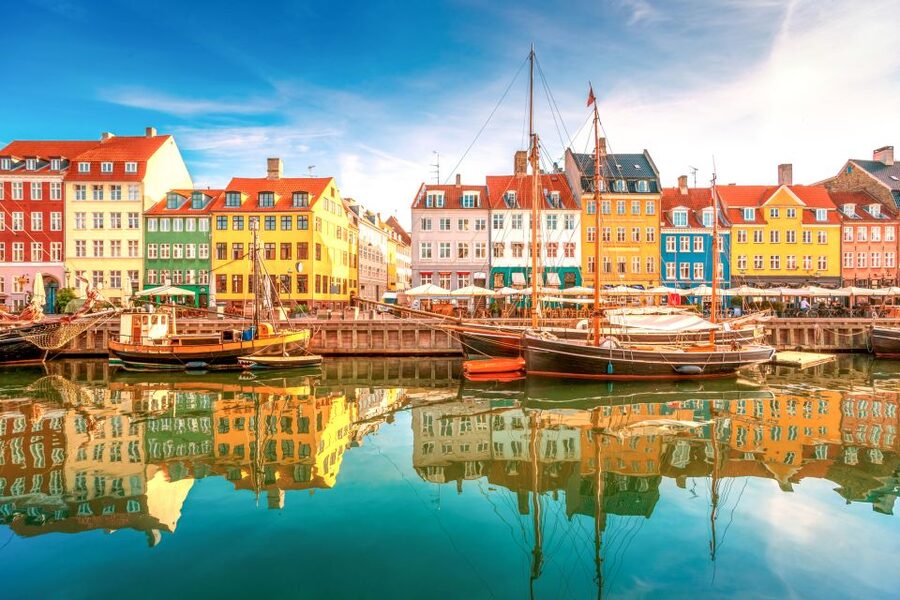
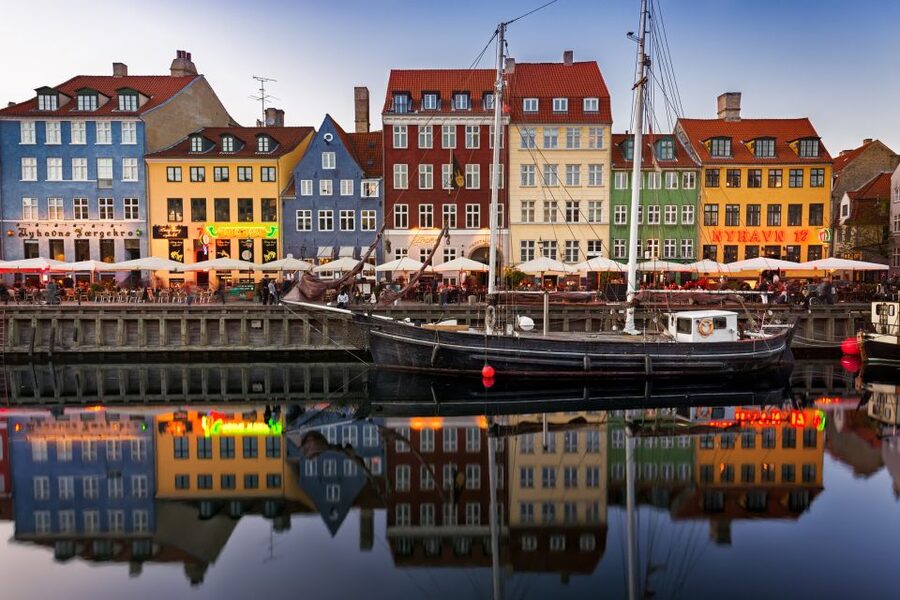
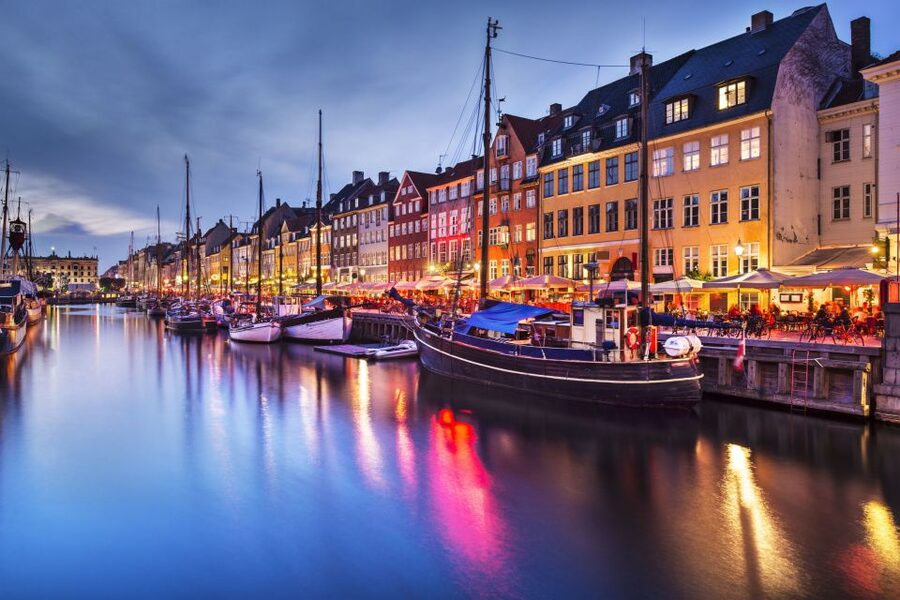
Then you head toward Nyhavn, Copenhagen’s iconic harborfront. Nyhavn is famous for its colorful 17th-century townhouses and the traditional wooden boats, but the real value is the explanation of how the harbor shifted roles over time.
Early on, it was tied to trade activity. Later, it became the lively district you recognize today, filled with cafes and restaurants. Walking the area with context makes it feel less like a postcard and more like a city that kept changing its mind.
Nyhavn works well in a walking itinerary because the pace naturally softens. You’re walking, but you’re also looking at water reflections, boats, and the line of buildings. It’s a good contrast to the straight-line energy of Strøget.
Even if you think you already know Nyhavn, the guide can help you notice details you would otherwise miss, like how the buildings present themselves to the water and how the street-facing rhythm changes as you move along.
The Little Mermaid moment, with the Andersen thread
No Copenhagen highlight list is complete without the Little Mermaid statue. If you stop here without context, it can feel like a quick checkbox.
With a guide, it becomes part of a bigger theme: Hans Christian Andersen and Copenhagen’s identity as a storyteller city. The guide will share the inspiration and the story behind the landmark.
One standout note from a previous tour experience is how a guide connected Andersen’s legacy to a preserved writing space inside Magasin department store. That kind of detail is exactly why I like doing this as a guided walk, not just dropping by the statue and moving on.
Because your exact route and timing can vary, treat this as a possibility tied to what your guide can fit. But even if you only get the Little Mermaid context, you still leave with a clearer sense of why the statue matters culturally.
Amalienborg Palace to close, with Marble Church in view
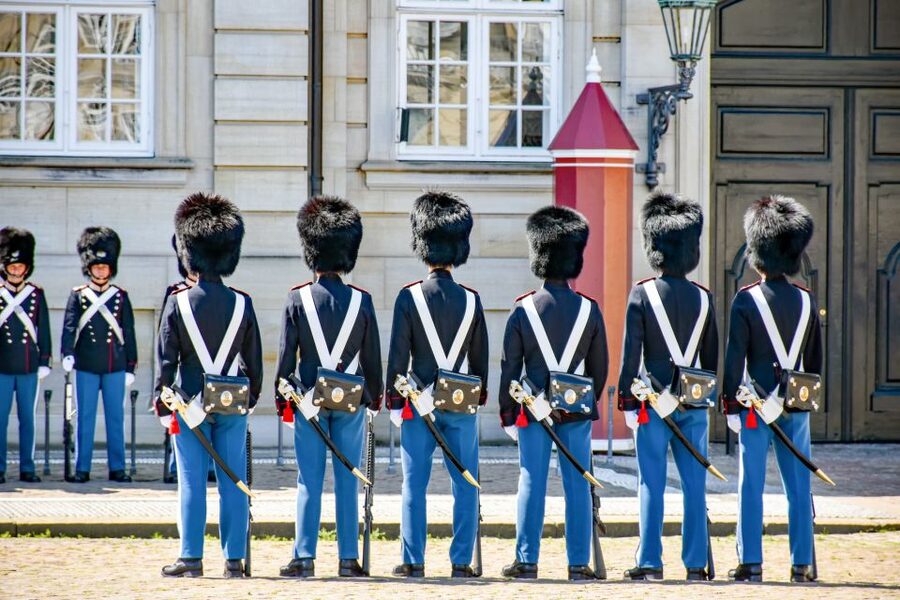
The tour finishes at Amalienborg Palace, the royal family’s official residence. This is the right kind of ending, because you arrive at a place that feels ceremonial and spread out, after walking through tighter street quarters.
At Amalienborg, you’ll explore the stately square and admire the regal architecture. This stop also includes the view toward Marble Church (Frederik’s Church), which helps you understand why this part of the city feels dramatic and open.
I like finishing here for a simple reason: it gives you a moment to slow down mentally. You’ve been collecting stories and details all afternoon, and then you step into a setting designed for grandeur. It makes your final photos feel like a destination, not just a last stop.
What you’ll feel during the 3-hour pacing
This tour is described as 2-3 hours, with a duration listed as 3 hours, and it covers about 3-4 kilometers (roughly 1.9 to 2.5 miles). That’s a practical distance for most people who are used to walking a city, especially since the pace is meant to be leisurely with photo stops.
You should plan your energy for steady movement, not constant standing. Even with stops, the tour is still a “walk to learn” experience.
Bring water. Food is not included, so if you want a Danish pastry or coffee, you should plan to grab it on your own during or after the tour. The good news is you will pass plenty of places around the central sights where a quick break feels natural.
Price and value: $189 per person, what you’re paying for
At $189 per person for a 3-hour private walking tour, the big question is whether you’re buying facts, efficiency, or attention. You’re getting all three, but in a real way.
1) You pay for a live English guide who can connect streets, buildings, and cultural context. That connection is hard to replicate if you just use a self-guided map.
2) You pay for a focused route that covers the core highlights without wasting time on “where should we go next?”
3) You pay for a private group experience, meaning the guide can respond to what you want to see. Past guides were praised for adapting to your preferences rather than forcing the exact same script on everyone.
If your travel style is mostly museum and monument hunting, you might feel this is pricier than you’d like. But if you enjoy street-level learning and you want someone to explain what matters while you walk, the cost can feel fair.
Best for you if you want context, not just highlights
This tour is a strong match if you:
- Want a guided route through central Copenhagen instead of jumping between stops on your own
- Like architecture, city planning, and how civic and royal areas shape the experience
- Prefer a steady walk with stories and suggestions for what to do after
From earlier guide experiences, the common praise is about storytelling quality and recommendations. Guides like Lorena and Andrés were specifically noted for mixing historical facts with anecdotes, being well documented, and adjusting to what the group wanted to focus on.
If you’re traveling with someone who likes asking questions, a private format can be a real advantage.
Who should skip it
This walking tour is not suitable for people with mobility impairments, people with heart problems, or wheelchair users. If any of those apply, it’s smarter to choose a different format, or confirm accessibility needs directly before booking.
Also think about weather. Copenhagen can be changeable, so comfortable shoes and weather-appropriate clothing are not optional.
Practical tips so you enjoy every stop
Wear comfortable walking shoes. Seriously, you will be walking a few kilometers and you’ll want your feet to feel good for photo pauses.
Bring water. Food and drinks aren’t included, and you’ll likely want a break around the harbor or shopping streets.
If you’re the type who likes to steer the day, this tour supports that. One of the best guide traits described is the willingness to adapt to what you want to see, so be ready with a short wishlist.
Should you book this private Copenhagen walking tour?
If you want a tight, high-impact introduction to central Copenhagen, this is an easy yes. You get the major anchors, City Hall, Strøget, the palace and democracy zone, Nyhavn, and the royal finish at Amalienborg, all in a manageable walking window.
Book it if you value storytelling and guidance that helps you understand why these places matter, not just how to spell the names.
Skip it if you need wheelchair access or if long walking time is a problem for your health. In that case, you’ll get more comfort and less stress from a different kind of tour.
If you fit the walking and mobility criteria, this is a solid way to see Copenhagen like a connected city, with your guide helping you connect the dots while you walk.
FAQ
Where do I meet the guide?
Please wait for your guide at the HC Andersen Statue by the city hall. It is facing the TIVOLI sign at the city hall.
How long is the tour?
The tour duration is listed as 3 hours.
What is included in the price?
The only listed inclusion is the guide.
Is food or drinks included?
No. Food and drinks are not included.
What language is the tour guide?
The tour guide is English-speaking.
Is the tour suitable for wheelchair users or limited mobility?
No. It is not suitable for people with mobility impairments, people with heart problems, or wheelchair users.
The latest around Copenhagen
- Copenhagen: Guided Tour of Vesterbro and Christianshavn★ 5.0 · 1 review
- Stevn Klint UNESCO Heritage Tour and Vikingborg Fort.★ 5.0 · 1 review
- Historical Pod Walk Tour on the Slaves of Copenhagen★ 5.0 · 1 review
- Copenhagen Old Town, Nyhavn, Canal Walking Tour & Christiana★ 5.0 · 1 review
- Queer Copenhagen Historical Tour★ 5.0 · 1 review
- Castle Island’s Royal History: A Self-Guided Audio Tour of Slotsholmen★ 5.0 · 1 review
Walking Tours, compared.
Politically Incorrect Private Highlights Walking Tour
Read our review →
Group Walking Tour – City Highlights – 2 Hours
Read our review →
3h walking tour, small group max 10 people Copenhagen
Read our review →
Walk & Canal Tour: Copenhagen Highlights + Changing of the Guards
Read our review →
Browse the lists this tour appears in