
Reviewed · AUDIO TOURS
Danish Design Classic and Modern Style Self-Guided Audio Tour
Design stories play in your ears as you walk. This self-guided route is a smart way to connect Danish design history with real city stops, from Arne Jacobsen-era modernism to museum-grade design collections. I love the GPS-guided setup that helps you find each place without babysitting, and I love the narration that adds useful context as you move. One drawback: you need your own smartphone and headphones.
For the price of $11.99, you get about 1 hour 10 minutes of audio plus lifetime access, so you can redo the walk whenever the mood hits. It is private in the sense that only your group uses the audio at the same time, and VoiceMap provides offline audio, maps, and geodata so you are not stuck hunting for signal. If you want a live guide answering questions in real time, this is not that kind of tour.
In This Review
- Key things I’d focus on
- How the VoiceMap GPS route keeps your walk easy
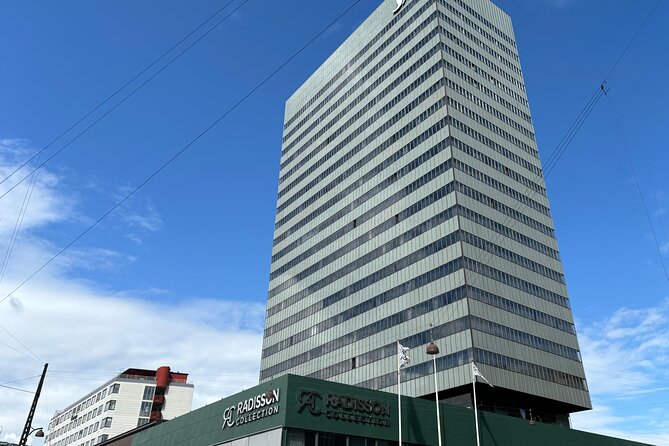
- Starting at Radisson Collection Royal, Arne Jacobsen’s 1958 SAS Royal Hotel
- Nyhavn’s colorful waterfront, where everyday life meets design
- Tivoli Gardens and the stone arch that signals “public pleasure”
- Glyptotek: art before 20th century, plus a winter garden break
- Danish National Museum: not flashy outside, exciting inside for Viking finds
- Frederik’s Church (Marble Church): Rococo styling with Roman roots
- Danish Museum of Art and Design: where names like Jacobsen and Klint make sense
- Copenhagen City Hall’s 1905 finish: National Romantic style and Scandinavian Art Nouveau
- Royal Danish Theater: Neo-Baroque architecture and a ballet-focused present
- Alexander Nevsky Church: patterned facade, golden towers, and Russian Orthodox uniqueness
- Kongens Nytorv: the King’s Square pivot point for Copenhagen’s flow
- Thorvaldsen’s Museum: classic carving skills, then changing tastes
- Christiansborg Palace: state dinners and the Folketing under one roof
- Charlottenborg Palace: from royal residence to Royal Danish Academy for the Fine Arts
- The church near Nikolaj Square: 1909 restoration and a role that changed
- Odd Fellows Palace: the Masonic lodge name, now a wedding and party venue
- Ending at Designmuseum Danmark: put the pieces together
- Who should book this self-guided Danish design tour
- Should you book this Danish Design Classic and Modern Style self-guided tour?
- FAQ
- How long is the Danish design audio tour?
- How much does it cost?
- Do I need my own smartphone and headphones?
- Does it use GPS and work at your own pace?
- Where does the tour start and end?
- Is offline access included?
- What is included in the price, and what is not?
Key things I’d focus on
- GPS geolocation that stays accurate, so you spend less time wondering where to stand
- Offline audio and maps through the VoiceMap app, useful if signal is spotty
- A clear design storyline, from early Danish influences to classic and modern styles
- Museum and architecture stops close together, so design talk happens where the buildings and objects are
- Lifetime access, which makes it feel less like a one-time ticket and more like a personal Copenhagen guide
How the VoiceMap GPS route keeps your walk easy
This tour is built for people who like their own pace. You run the VoiceMap app, listen to the audio segments, and follow the GPS guidance between stops. The company also includes directions to the starting point, so you can get going quickly once you arrive near the Radisson Collection Royal Hotel (Hammerichsgade 1).
The practical win here is not just convenience. When your location tracking is on target, you can actually look at what you are hearing about. You are not constantly turning around, checking maps, and losing the thread of the design story. One of the best bits from the high ratings is that the geolocation feels precise, which makes the whole experience calmer and more enjoyable.
You also get offline access to audio, maps, and geodata. That matters in Copenhagen, where parts of the city can be heavy on foot traffic and sometimes light on dependable data. Downloading ahead is still a good idea, but you are not paying the price if your phone struggles.
More walks with a voice in your ear in Copenhagen:



Starting at Radisson Collection Royal, Arne Jacobsen’s 1958 SAS Royal Hotel
Your tour begins at Arne Jacobsen’s SAS Royal Hotel, now called the Radisson Collection Royal Hotel. The building was completed in 1958, and Jacobsen is treated as an origin point for what people now label as Danish design: smooth, simple, organic, and practical.
This is a strong way to start because it gives you a baseline. Before you hop from one style to the next, you get a sense of what the tour will reward: good proportions, material choices, and everyday usefulness. Listen closely at the hotel stop, then keep an eye out for how later buildings either echo those ideas or push away from them.
Practical note: even if you do not go inside, the exterior is part of the lesson. Walk slowly enough to look at lines, rhythm, and the way the building frames space at street level. This is where the tour’s design lens makes Copenhagen feel different.
Nyhavn’s colorful waterfront, where everyday life meets design
Next, you move toward Nyhavn, the 17th-century waterfront, canal, and entertainment district. It runs from Kongens Nytorv down toward the harbor front just south of the Royal Playhouse, and the waterfront is known for brightly colored buildings.
Nyhavn can be touristy, but the audio angle helps you see it as more than scenery. The design theme here is about how cities shape daily life. Notice how the canal acts like a natural street, and how the buildings line up to form an outdoor room. You are not just walking through a postcard, you are learning why this kind of urban layout lasts.
If you are short on time, stand for one audio segment and really look before you move on. The tour works best when you let your eyes catch up with the ideas you are hearing.
Tivoli Gardens and the stone arch that signals “public pleasure”
Tivoli Gardens is one of the world’s first amusement parks. It opened in 1843 and has been operating ever since, which is a nice reminder that design is not only for museums and monuments.
The tour calls out the elaborate neoclassical stone archway entrance. That is a great stop because an entrance is an interface. It is where architecture tells you what kind of experience is coming next. Listen for the way the audio frames Tivoli not just as fun, but as a designed environment where people gather, move, and form their own little routines.
You may see parts of Tivoli from outside without paying anything extra, but if you choose to go in for rides or attractions, remember admission fees are not included in the tour price.
More routes to do without a guide in Copenhagen:
- Copenhagen Little Mermaid Exploration Game and Self-Guided Tour
★ 4.0 · 36 reviews - Copenhagen Self-Guided Murder Mystery Tour by the Round Tower
★ 4.0 · 11 reviews - Copenhagen Christiania: Hidden Stories Self-Guided Adventure
★ 5.0 · 8 reviews
Glyptotek: art before 20th century, plus a winter garden break
The Glyptotek is a museum for people who love pre-20th century art. It also has a winter garden and a café, which gives you an easy place to pause even if you do not want to spend hours in galleries.
The tour’s story emphasizes Carl Jacobsen’s personal collection, built around his role as the son of the founder. That detail matters because it explains why the museum feels focused. You are not wandering through random picks, you are seeing a collection shaped by one person’s taste.
If you do want to step inside, plan for a little quiet time. This is the kind of stop where the audio can help you look at style and composition instead of treating it as just another museum stamp.
Danish National Museum: not flashy outside, exciting inside for Viking finds
The Danish National Museum building itself is described as not too impressive, but the artifacts inside are the draw. The audio highlights Viking treasures and suggests these are early examples of Danish design, plus mentions lovely gold jewelry.
That is a memorable pairing for a design-focused walk. It is easy to think of design as furniture, graphics, and modern architecture. The Viking material pushes the idea earlier in time, showing how patterns, objects, and craftsmanship can be design even before “design” is a modern label.
One consideration: museums can require tickets. Admission fees are not included, so if you plan to go inside beyond just the exterior viewpoints, check what is needed on the day you go.
Frederik’s Church (Marble Church): Rococo styling with Roman roots
Frederik’s Church, commonly called the Marble Church, brings you into Rococo style. The tour notes it is based on St. Peter’s Basilica in Rome, which gives you a useful reference point when you are standing there looking up.
What I like about this stop in an audio format is the reminder that style has family trees. Rococo is decorative and theatrical, but the audio helps you understand it as more than “ornate church stuff.” It becomes a lesson in how European ideas travel and get localized.
If you are visiting when services or events are happening, be respectful and keep your phone ready for listening between moments. Churches are one of the easiest places to get distracted by details, and the narration keeps you from missing the key design points.
Danish Museum of Art and Design: where names like Jacobsen and Klint make sense
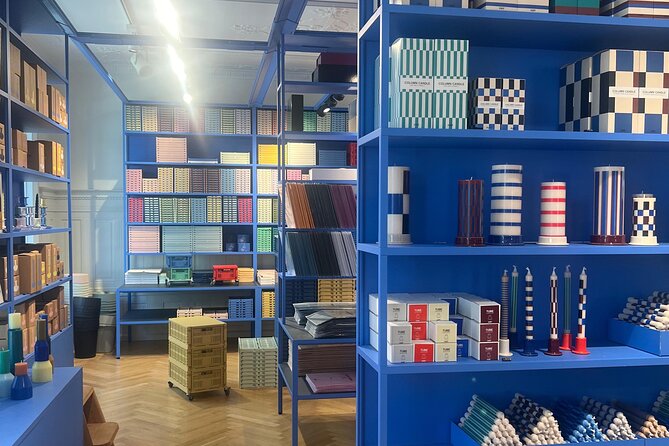
The Danish Museum of Art & Design is designed for people who care about Danish and international design and crafts. The audio calls out major Danish designers including Arne Jacobsen, Jacob Jensen, and Kaare Klint.
This stop is where the tour’s title starts to feel practical. Earlier segments teach you how to look at buildings and streets. Here, you get a place that collects and explains the work itself, so you can connect what you noticed outside to objects, shapes, and design thinking inside.
You will probably want to spend extra time if you are especially into product design, furniture, or craft. Since admissions are not included, treat this museum stop as the one that could add cost if you choose to go in deeply.
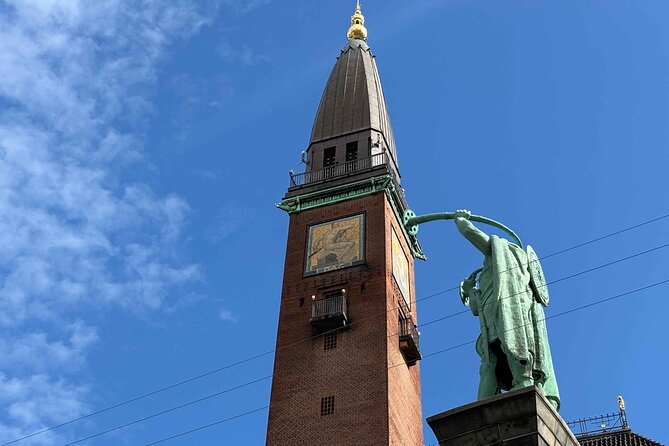
Copenhagen City Hall’s 1905 finish: National Romantic style and Scandinavian Art Nouveau
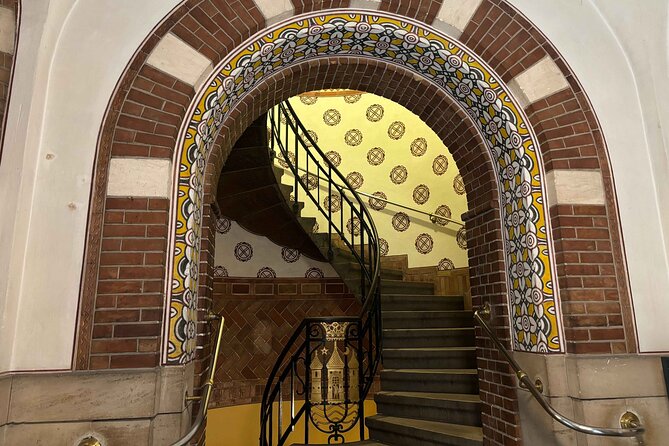
Copenhagen City Hall was finished in 1905 and is described as a great example of National Romantic style, the Scandinavian version of Art Nouveau. That language helps, because it gives you a way to sort what you are seeing without needing an art degree.
National Romantic design often mixes pride, local identity, and expressive forms. The audio framing makes it easier to see why this period matters in Danish design history, especially as you compare it to Jacobsen’s later mid-century modern approach.
If you want to get the most out of this stop, stand back for a minute and take in the whole facade before you look for details. The city hall design story works better when your eyes start wide and then zoom in.
Royal Danish Theater: Neo-Baroque architecture and a ballet-focused present
The Royal Danish Theater is a lovely Neo-Baroque building. The tour notes that it is now mostly used for the Royal Danish Ballet, and that it is hardly ever full.
Even without going inside, this stop can be a good “design breathing space.” The Neo-Baroque style is dramatic, but it is also about layout and public presence. You can listen for the audio cues that explain how the building signals importance and movement.
This is also a nice moment to check your timing. Since the tour is around 1 hour 10 minutes, you want enough energy left for the remaining design stops.
Alexander Nevsky Church: patterned facade, golden towers, and Russian Orthodox uniqueness
The Alexander Nevsky Church has a patterned façade and golden towers on top. The audio also highlights it as the only Russian Orthodox Church in Copenhagen.
That makes this stop feel like a design contrast. Up to now, you are leaning into Danish and broader Western European influences. Here, the city adds a different religious and visual language, so you can compare how style communicates meaning across cultures.
When you look at the façade patterns, try not to get stuck on one detail. Step back and treat it like a designed surface, a repeat system, not just decoration.
Kongens Nytorv: the King’s Square pivot point for Copenhagen’s flow
Kongens Nytorv, or King’s Square, is another major Copenhagen hub. Even if you never plan to “linger” at a square, it is often where a city’s layers show up fast.
In this tour, the value of a hub is that it keeps your mental map organized. You are hearing design history, but you are also physically moving through Copenhagen’s structure. Squares like this teach you where neighborhoods meet and how people circulate.
Thorvaldsen’s Museum: classic carving skills, then changing tastes
Thorvaldsen’s Museum is presented as a symbol of changing tastes in Danish design. The audio explains that Thorvaldsen went to Italy and learned to carve in the Classic style, but then tastes shifted over time.
This stop is a mindset lesson, and it helps the entire tour feel less like a list of styles. If you understand that design preferences change, you stop treating buildings like frozen facts. You start seeing them as answers to their moment.
Look for where the museum’s design cues match classic ideas, then listen to the shift described in the audio. It is the kind of story that makes the next stops more meaningful.
Christiansborg Palace: state dinners and the Folketing under one roof
Christiansborg Palace is used for state dinners and houses the Danish Parliament, the Folketing. That is an important contrast with the design-focused museums, because here the building’s design relates to governance and ceremony.
This is where you can connect form to function. Even if you are not analyzing every architectural detail, you can listen for why the palace matters in Denmark’s civic identity. It is Denmark’s political center, and that context is part of how you read the architecture.
As with other major buildings, take a few minutes for photos if you can, then keep moving. The tour is designed as a connected route, not a “one place only” experience.
Charlottenborg Palace: from royal residence to Royal Danish Academy for the Fine Arts
Charlottenborg Palace began as a private mansion for a king’s brother, and now it houses the Royal Danish Academy for the Fine Arts. That shift is baked into the place.
In design terms, this is about transmission. A palace becomes a school, so the story changes from power and residence to education and creation. The audio cues help you see the building not just as a backdrop, but as part of how Danish art and design continues.
If the academy is active and people are around, you may catch the place feeling more alive than a typical museum stop.
The church near Nikolaj Square: 1909 restoration and a role that changed
The church near Nikolaj Square is described as a 1909 restoration of an older one that burned down. The tour also notes that the restored version has never been used as a church, and that it has served as a naval museum and a library.
That is a fascinating design angle because it shows how buildings can outlive their original purpose. Even if the exterior draws attention like a church, the story tells you the function moved. The result is a good reminder that design is both physical and practical.
If you are trying to estimate how much time you will spend here, remember this stop is included as a listening and looking point, not necessarily a long interior visit.
Odd Fellows Palace: the Masonic lodge name, now a wedding and party venue
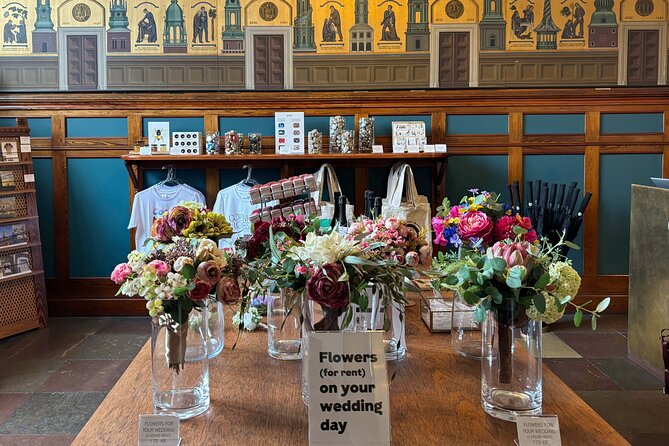
The Odd Fellows Palace is named for the Masonic Lodge it housed for many years. Today it is mostly used for weddings and parties.
This stop brings design back to human moments. Ceremonies and celebrations are also “designed experiences,” even when you are not thinking about architects. The audio framing gives you a reason to look at spaces as stages for real life, not just historical artifacts.
If you see event setup happening, watch how the space is arranged. That arrangement is part of the building’s design story today.
Ending at Designmuseum Danmark: put the pieces together
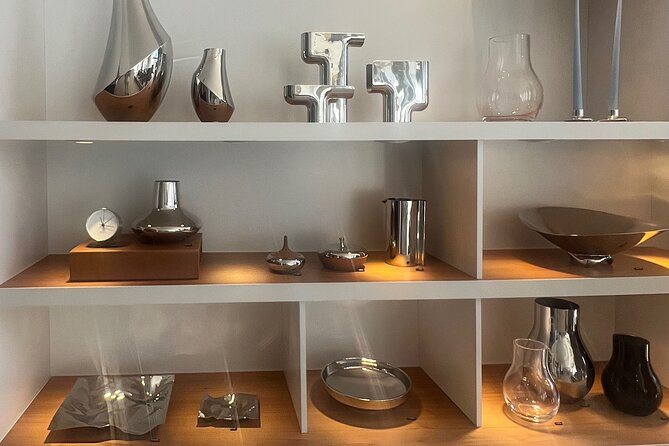
The tour finishes at Designmuseum Danmark at Bredgade 68. This is a fitting end point because it gives you a place where you can stop and revisit what you found along the route.
The biggest value here is the lifetime access. Since you can take the tour again and again, I would treat the first run like orientation. Then re-listen later when you have seen more museums in town, or when you want to focus on only one era like Classicism, Art Nouveau style influences, or modern Danish design.
If you want to make the most of the finish, spend a little time at the museum after the audio ends, even if you do not go all the way through everything. That way the route’s story lands where design is actually collected and explained.
Who should book this self-guided Danish design tour
Book it if you want a design-focused walk without locking yourself into a group schedule. It is especially strong for couples, friends, or families who want to explore at their own pace while still getting guided context. The GPS precision and the useful narration are the big reasons to choose this over a plain map-based stroll.
Skip it if you need a live conversation, or if you hate listening to audio while walking. Also make sure you travel with a smartphone and headphones, because those are required items. Admission tickets for museums are also not included, so decide ahead of time whether you want to pay for interior time.
Should you book this Danish Design Classic and Modern Style self-guided tour?
I think this is a smart value purchase if you like Copenhagen but also care about design. At $11.99 for about 1 hour 10 minutes, you are buying structure: a design storyline delivered right where you are standing. The offline audio and GPS accuracy are the practical reasons it works well, not just the topic.
If your schedule is tight and you want to hit major design landmarks plus museums, this is an efficient way to do it. If you want only broad sightseeing, you might find it better to pick a shorter highlights walk. But if Danish design is your thing, this tour is an easy yes.
FAQ
How long is the Danish design audio tour?
The duration is listed as approximately 1 hour 10 minutes.
How much does it cost?
It costs $11.99 per person.
Do I need my own smartphone and headphones?
Yes. The tour includes VoiceMap and offline audio access, but it does not include a smartphone or headphones.
Does it use GPS and work at your own pace?
Yes. It is a self-guided GPS audio tour, with flexibility to explore at your own pace.
Where does the tour start and end?
It starts at Radisson Collection Royal Hotel, Hammerichsgade 1, 1611 København, Denmark, and ends at Designmuseum Danmark, Bredgade 68, 1260 København, Denmark.
Is offline access included?
Yes. It includes offline access to audio, maps, and geodata.
What is included in the price, and what is not?
Included items are lifetime access to the Danish Design audio tour, the VoiceMap application, and offline audio and maps. Not included are smartphone and headphones, transportation, food and drink, and personal admission fees for any entrances you choose to pay.
The latest around Copenhagen
- Copenhagen: Guided Tour of Vesterbro and Christianshavn★ 5.0 · 1 review
- Stevn Klint UNESCO Heritage Tour and Vikingborg Fort.★ 5.0 · 1 review
- Historical Pod Walk Tour on the Slaves of Copenhagen★ 5.0 · 1 review
- Copenhagen Old Town, Nyhavn, Canal Walking Tour & Christiana★ 5.0 · 1 review
- Queer Copenhagen Historical Tour★ 5.0 · 1 review
- Castle Island’s Royal History: A Self-Guided Audio Tour of Slotsholmen★ 5.0 · 1 review
Audio Tours, compared.
The Ancient Viking Stronghold of Aros: A Self-Guided Audio Tour in Aarhus
Read our review →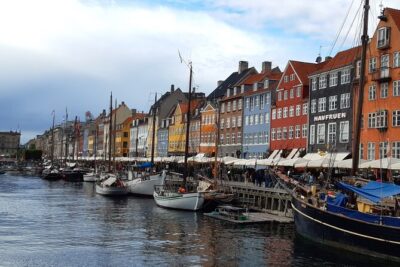
Half Day Self-Guided Audio Walking Private Tour in Copenhagen
Read our review →
Monstour: A Self-Guided Audio Tour of Danish Folk Legends
Read our review →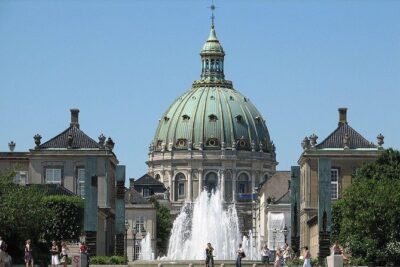
The Philosopher’s Last Walk: An audio tour on the life of Søren Kierkegaard
Read our review →
Cool Nørrebro and Foodie Tips Self Guided Audio Walking Tour
Read our review →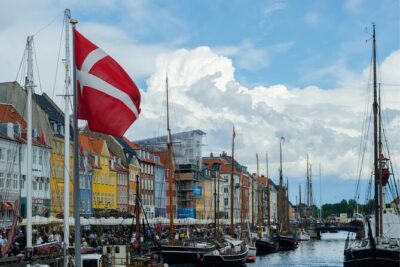
Copenhagen Scavenger Hunt and Highlights Self Guided Audio Tour
Read our review →
GhostWalk Copenhagen: Self-Guided Audio Experience from StoryHunt
Read our review →Browse the lists this tour appears in